How Much Do Oscilloscopes Cost? A Detailed Price Guide
Whether you’re a hobbyist tinkering with Arduino boards or an engineer tasked with high‑speed signal analysis, the price tag on an oscilloscope can feel like a surprise — or a disappointment. The market spans everything from sub‑$100 “toy” units to professional rigs pushing past $20,000. This guide breaks down the factors that shape those numbers, points you toward the right price bracket for your needs, and offers a few tips for stretching every dollar.
Why Prices Vary So Much
At its core, an oscilloscope is a specialized computer with analog‑to‑digital converters, a fast processor, and a display. But the devil is in the details.
- Bandwidth: Higher bandwidth means the instrument can faithfully reproduce faster signal edges. A 50 MHz scope might cost a few hundred dollars, while a 1 GHz model can easily breach the five‑figure mark.
- Sample Rate: More samples per second translate to smoother waveforms. Professional units often boast 5 GS/s (giga‑samples per second) or more, inflating the price.
- Channels: A basic single‑channel scope is cheaper than a four‑channel workhorse, which is common in production test environments.
- Form Factor: Bench‑top models tend to be pricier than handheld or PC‑based USB scopes, though the latter may require additional software licences.
- Additional Features: Built‑in mathematics, protocol decoders (USB, I²C, CAN), and advanced trigger options add cost but can save you time on complex debugging.
Typical Price Ranges
Entry‑Level (Under $300)
These are the “starter” scopes you’ll find on hobbyist sites. Expect 20–50 MHz bandwidth, 1–2 GS/s sample rate, and one or two channels. They’re great for simple voltage checks, PWM signals, and basic education.
Mid‑Range ($300–$1 500)
Now we’re talking about decent performance. Look for 100–200 MHz bandwidth, 5 GS/s sample rate, and often four channels. Many of these units add useful software packages for waveform analysis, making them a sweet spot for small labs and serious makers.
Professional (Above $1 500)
Professional scopes get serious. Bandwidths start at 300 MHz and climb to several gigahertz. Sample rates can exceed 20 GS/s, and you’ll find options like segmented memory, advanced math (FFT, filtering), and built‑in protocol analyzers. They also come with rugged enclosures and longer warranties.
Choosing the Right Tier for Your Projects
Don’t let the highest spec lure you into overspending. Ask yourself these questions before you click “add to cart.”
- What’s the highest frequency component in the signals you’ll measure? A rule of thumb is to pick a bandwidth at least five times that frequency.
- Do you need multiple channels simultaneously? If you’re only ever looking at one signal, a single‑channel unit will save you money.
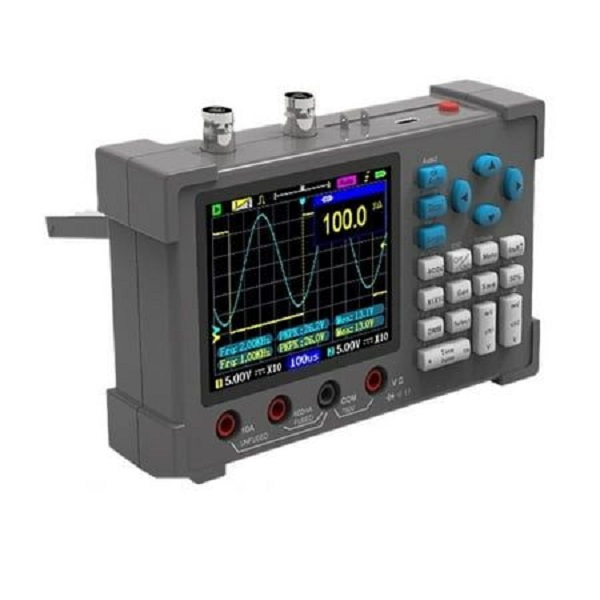
- Is portability a priority? Handheld or USB‑based scopes can be a bargain for field work.
- How often will you use advanced analysis tools? If protocol decoding is a rare need, a cheaper model with optional software add‑ons might be smarter.
Hidden Costs to Watch Out For
Even after you’ve settled on a base price, a few extra expenses can creep in.
- Software Licenses: Some manufacturers bundle analysis packages for free, others charge per licence.
- Accessories: Probes, BNC cables, and mounting brackets are often sold separately.
- Calibration: High‑end scopes may require periodic calibration, which can run a few hundred dollars.
- Warranty Extensions: A longer warranty can be worth it for mission‑critical equipment, but it adds to the upfront cost.
Tips for Getting the Best Deal
Here’s a quick cheat‑sheet for stretching your budget without sacrificing the features you truly need.
- Buy refurbished: Many reputable vendors offer factory‑refurbished units with full warranties at 20‑30 % off retail.
- Watch seasonal sales: Major electronics retailers often discount scopes during Black Friday or back‑to‑school promotions.
- Consider older models: A previous generation 500 MHz scope may cost half as much as the newest 600 MHz version, yet still meet your requirements.
- Bundle with probes: Some bundles include high‑quality passive probes, which can be pricey if bought separately.
Popular Brands and What You Can Expect
While price varies, certain brands have carved out reputations that help set expectations.
- Rigol: Known for solid mid‑range performance; a 200 MHz, 4‑channel model often lands around $800.
- Tektronix: Premium brand; entry‑level units start near $1 200, but high‑end models explode past $20 000.
- Keysight (Agilent): Offers both rugged field scopes and cutting‑edge lab models; pricing reflects that diversity.
- Siglent: Competitive pricing with features that rival pricier rivals; a 100 MHz, 2‑channel scope can be found for under $350.
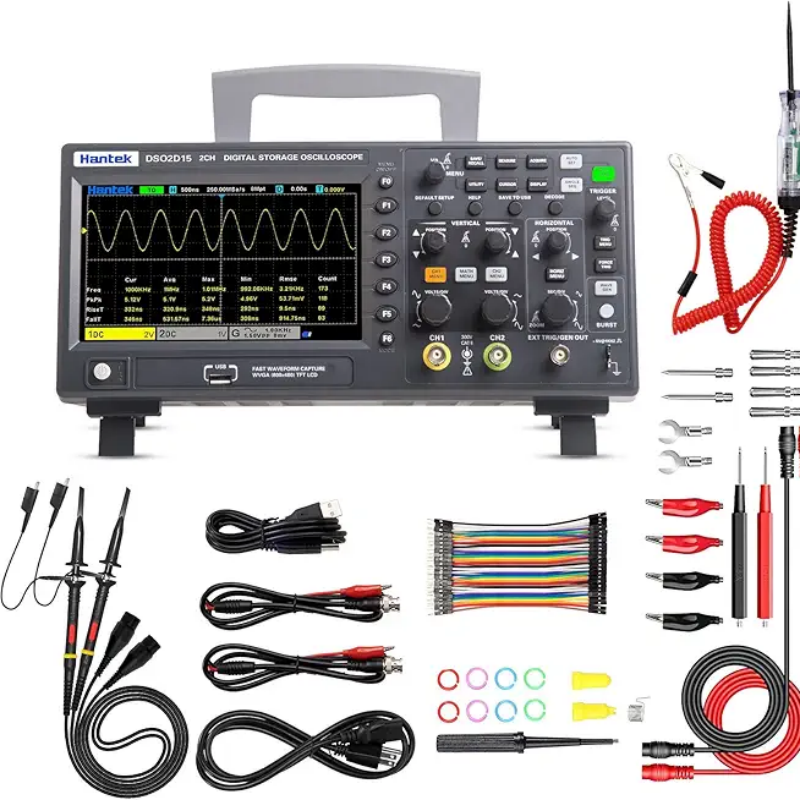
- Hantek: Budget‑focused, often targeting hobbyists; expect limited bandwidth and basic features.
When to Walk Away
If a listing advertises a “professional‑grade” scope for under $200, it’s probably a knock‑off or a heavily used unit with hidden defects. Likewise, ultra‑cheap “USB sticks” that claim GHz bandwidth usually rely on software interpolation rather than true hardware performance.
Final Thoughts
Oscilloscope prices are a mosaic of bandwidth, sample rate, channel count, and extra features. By matching those specs to the real demands of your work, you can avoid the trap of overpaying while still getting reliable, accurate measurements. Whether you opt for a $150 hobby unit or a $5 000 lab instrument, the key is to understand what you’re paying for—and to shop smart.