How Much Sodium Is Really in Dietz & Watson Turkey Breast?
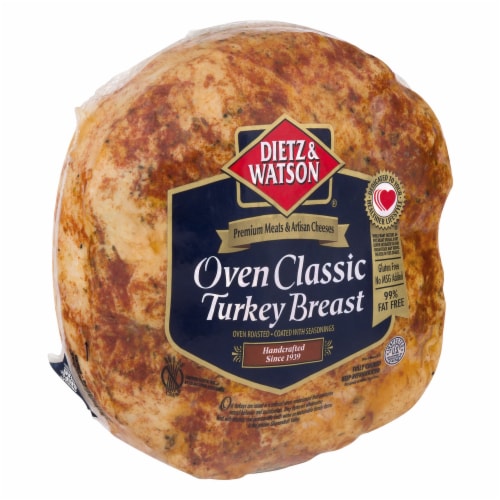
If you’ve ever reached for a slice of Dietz & Watson turkey breast at the deli, you’ve probably wondered what’s hiding in that pink, lean protein. The brand markets its sliced meats as “naturally cured” and “no‑added‑nitrite” – but sodium still finds its way onto the label. Let’s pull back the curtain, look at the numbers, and see how you can fit those slices into a balanced diet without overdoing the salt.
What “Naturally Cured” Means for Sodium
The term “naturally cured” usually indicates that a curing blend relies on sea salt and natural flavorings rather than synthetic nitrites. It sounds healthier, but it doesn’t magically erase sodium. In fact, the curing process often *adds* salt to preserve the meat and enhance flavor.
- Sea salt is still sodium chloride, just with trace minerals.
- Flavor enhancers like celery powder can contribute additional sodium.
- Brining – soaking the meat in a salty solution – is a common step that can boost the final sodium count.
Actual Sodium Numbers
According to the most recent nutrition facts, a typical 2‑ounce (56 g) serving of Dietz & Watson Turkey Breast contains roughly 460 mg of sodium. That’s about 20 % of the daily limit recommended by most health agencies. However, the exact figure can vary by flavor:
Plain vs. Seasoned
Plain sliced turkey tends to sit at the lower end of the range, around 430 mg per serving. Spiced or smoked varieties can creep up to 520 mg, thanks to added seasonings and smoke‑flavor compounds that often carry extra salt.
Comparing to Other Deli Meats
- Roasted chicken breast: 350 mg per 2 oz.
- Traditional ham: 570 mg per 2 oz.
- Salami: 680 mg per 2 oz.
So, in the crowded deli aisle, Dietz & Watson turkey breast sits somewhere in the middle – not the lowest sodium option, but definitely better than many cured meats.
Why Sodium Matters (Even If You’re Not “Salt‑Sensitive”)
Excess sodium can raise blood pressure, increase the risk of heart disease, and cause water retention. For most adults, the American Heart Association suggests staying under 2,300 mg per day, with an ideal target of 1,500 mg. One serving of turkey breast can therefore take up a sizable chunk of that budget.
That said, not everyone reacts the same way. Some people can tolerate higher intakes without noticeable effects, while others – especially those with hypertension or kidney issues – need to be stricter.
Tips for Keeping Sodium in Check
Here are some practical ways to enjoy Dietz & Watson turkey without feeling guilty:
- Portion control: Stick to a single 2‑ounce slice for a sandwich and pair it with low‑sodium veggies.
- Rinse briefly: A quick rinse under cold water can shave off up to 10 % of the sodium.
- Balance your plate: Add potassium‑rich foods like bananas or avocado to help offset sodium’s impact.
- Choose the plain version: Unflavored turkey usually contains less salt than smoked or seasoned cuts.
- Mix with lower‑sodium proteins: Combine turkey with egg whites, cottage cheese, or hummus for a protein boost that dilutes the overall salt load.
Reading the Label Like a Pro
Don’t just glance at the “% Daily Value” column. Look at the actual milligram amount and compare it to your daily target. Also, watch for hidden sources:
- “Reduced Sodium” can still be around 400 mg per serving – not a miracle.
- “No Added Salt” often means the salt is already baked into the curing process.
- Check the ingredient list for terms like “sea salt,” “celery powder,” or “brine.”
When Might You Skip the Turkey?
If you’re on a strict low‑sodium diet (under 1,500 mg per day), even the “plain” turkey might be too much for a daily habit. In those cases, consider alternatives such as:
- Freshly roasted turkey breast (no curing).
- Chicken or turkey breast that’s been cooked at home with herbs instead of salt.
- Plant‑based deli slices that are formulated to be low in sodium.
Bottom Line
Dietz & Watson turkey breast offers a convenient, protein‑packed option that’s cleaner than many cured meats, but it’s not a sodium‑free hero. A typical serving delivers around 460 mg of sodium – a figure you can manage with mindful portions and smart pairings. By paying close attention to labels, rinsing when possible, and balancing the rest of your meals, you can keep your salt intake in check while still enjoying that satisfying deli‑slice crunch.