How Much Will a Next‑Gen Sequencer Cost? What to Expect
The next generation sequencer price is on the minds of many research directors, biotech startups, and clinical labs looking to upgrade or expand their capabilities. While the headline figures can be eye‑watering, the reality is a mix of hardware costs, consumables, service agreements, and long‑term depreciation. In the next few sections we’ll unpack the main cost drivers, show where current platforms sit on the price spectrum, and explore whether the downward trend in sequencing costs will continue.
Understanding the Cost Drivers of Next‑Gen Sequencers
At first glance a sequencer looks like a single, expensive piece of equipment, but its price tag is an aggregation of several components. The core hardware—optical engines, fluidics, and data processing units—accounts for roughly 30‑40 % of the upfront expense. The rest is tied up in software licenses, warranty extensions, and the inevitable consumables such as flow cells, reagents, and library‑prep kits.
Scale matters, too. A benchtop instrument designed for small‑scale microbial work will be priced very differently from a high‑throughput platform that can generate terabases of data per run. Moreover, manufacturers often bundle data‑analysis pipelines or cloud‑based storage, which can add a few thousand dollars to the overall package.
Current Price Ranges by Platform
Here’s a quick snapshot of where the market stands today:
- Compact, entry‑level systems (e.g., Illumina iSeq, Oxford Nanopore MinION): $5,000 – $30,000. These are ideal for teaching labs or pilot projects where throughput is modest.
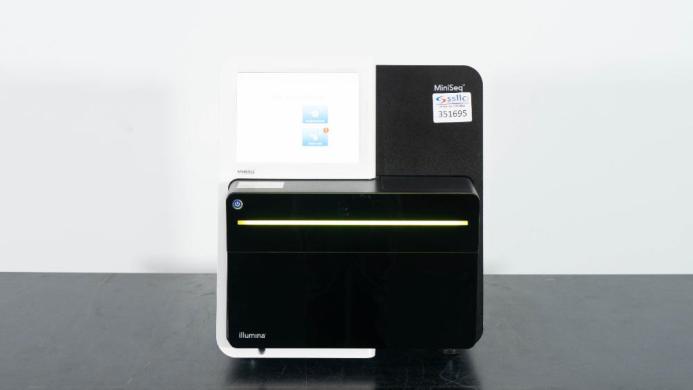
- Mid‑range workhorse instruments (e.g., Illumina MiSeq, Thermo Fisher Ion GeneStudio S5): $70,000 – $150,000. They balance cost with flexibility, handling everything from targeted panels to small whole‑genome runs.
- High‑throughput platforms (e.g., Illumina NovaSeq, PacBio Sequel IIe): $300,000 – $1.2 million. Such systems are the backbone of large genomic centers and can process dozens of samples simultaneously.
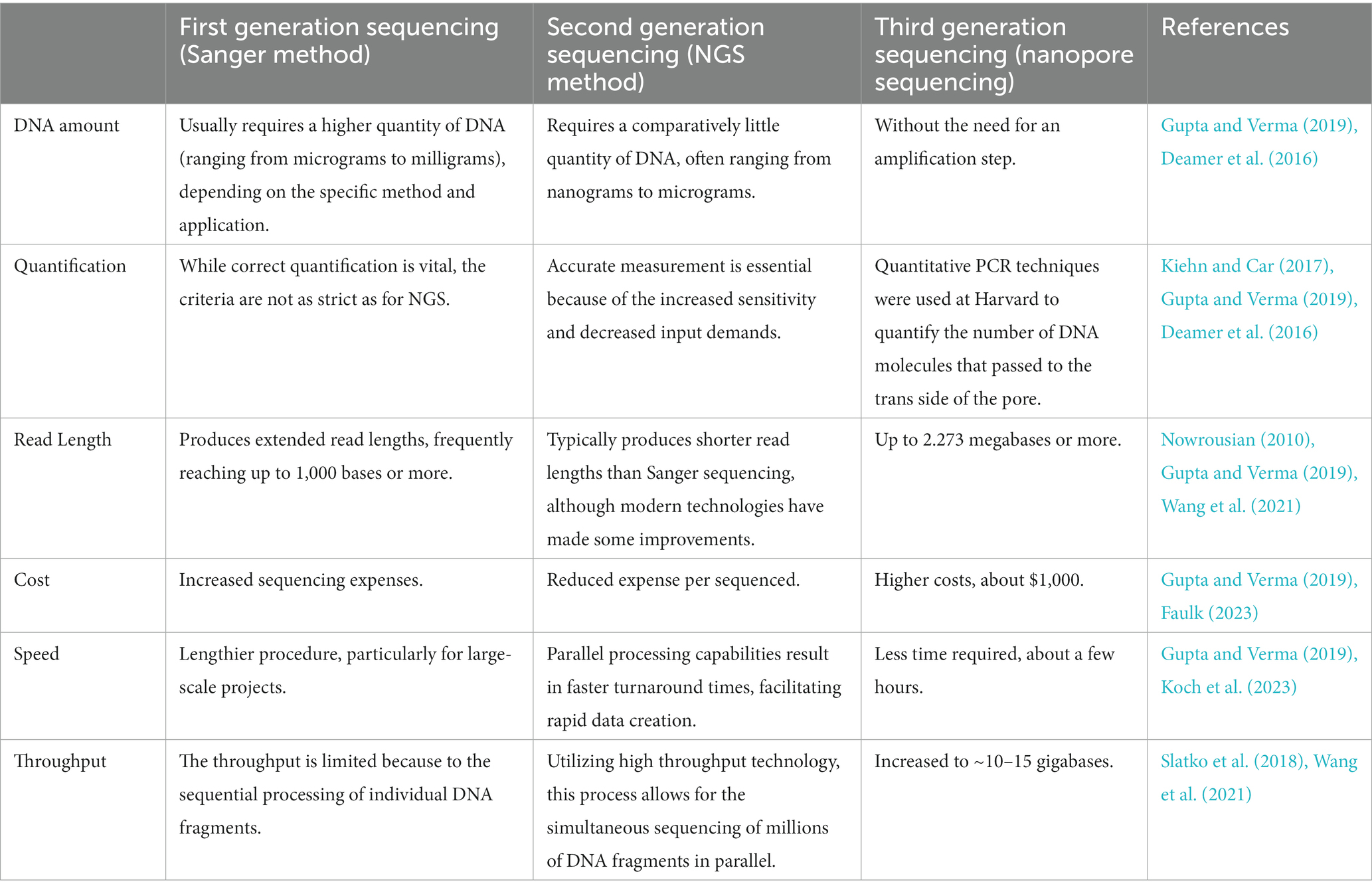
Beyond the hardware, a single sequencing run on a high‑throughput machine can require $500 – $2,000 in consumables, depending on read length and coverage depth. That recurring cost often eclipses the initial purchase price over the life of the instrument.
Leasing, Service Contracts, and Hidden Expenses
Many institutions shy away from outright purchase because of the capital outlay. Leasing offers a predictable monthly expense, typically ranging from 2 % to 5 % of the instrument’s list price. While this eases cash‑flow pressure, lease agreements often bundle maintenance and software updates, which can be a double‑edged sword if you later switch platforms.
Service contracts deserve close scrutiny. A comprehensive plan that includes on‑site technician visits, preventive maintenance, and rapid part replacement can cost an additional $20,000 – $50,000 per year for mid‑range systems. Skipping a contract might save money upfront, but unexpected downtime can stall projects and inflate indirect costs.
Don’t forget the data side. High‑throughput sequencers generate petabytes of raw data over a year, requiring robust storage solutions and compute power. Cloud‑based pipelines charge per gigabyte processed, while on‑premise clusters demand hardware upgrades and dedicated IT staff.
Future Trends: Will Prices Keep Dropping?
Historically, sequencing chemistry and optics have improved faster than manufacturing costs decline. However, recent innovations suggest a modest downward pressure on prices. Nanopore’s “flongle” adapters, for instance, aim to bring sub‑$200 per‑run costs to low‑throughput users. Likewise, Illumina’s “NovaSeq 6000” upgrades promise higher output per flow cell, effectively lowering the cost per gigabase.
That said, the law of diminishing returns is kicking in. As instruments approach their theoretical limits—such as ultra‑long reads or single‑molecule accuracy—research and development expenses rise, which can translate into steadier price points. Expect incremental savings through consumable efficiencies rather than dramatic hardware price cuts.
Tips for Budgeting a New Sequencing Facility
Planning a purchase is more than tallying the sticker price. Consider these practical steps:
- Map your workload. Estimate the number of samples, desired read length, and coverage. This informs whether a benchtop or high‑throughput system is truly needed.
- Factor in per‑run costs. Multiply expected runs by consumable prices; this often surpasses the capital expense over a three‑year horizon.
- Explore volume discounts. Many vendors offer reduced reagent pricing when you commit to a minimum annual spend.
- Assess data infrastructure. Include storage, backup, and compute in your total cost of ownership calculations.
- Consider collaborations. Partnering with a core facility can give you access to high‑throughput platforms without the full financial burden.
FAQ
Q: How long does a typical high‑throughput sequencer last?
A: Most manufacturers warranty the hardware for three to five years, and many labs keep the instrument operational for 7‑10 years with regular maintenance.
Q: Is it cheaper to buy used equipment?
A: Used sequencers can be 30‑50 % less expensive, but they may lack the latest chemistry upgrades and often come without service contracts, raising long‑term risk.
Q: What’s the biggest hidden cost?
A: Data storage and analysis. Even modest projects can generate terabytes of data, and the associated compute resources can add thousands of dollars annually.
Q: Can I start with a low‑cost instrument and later upgrade?
A: Some platforms offer modular upgrades—adding new flow cell formats or software modules—so you can scale up without replacing the entire system.