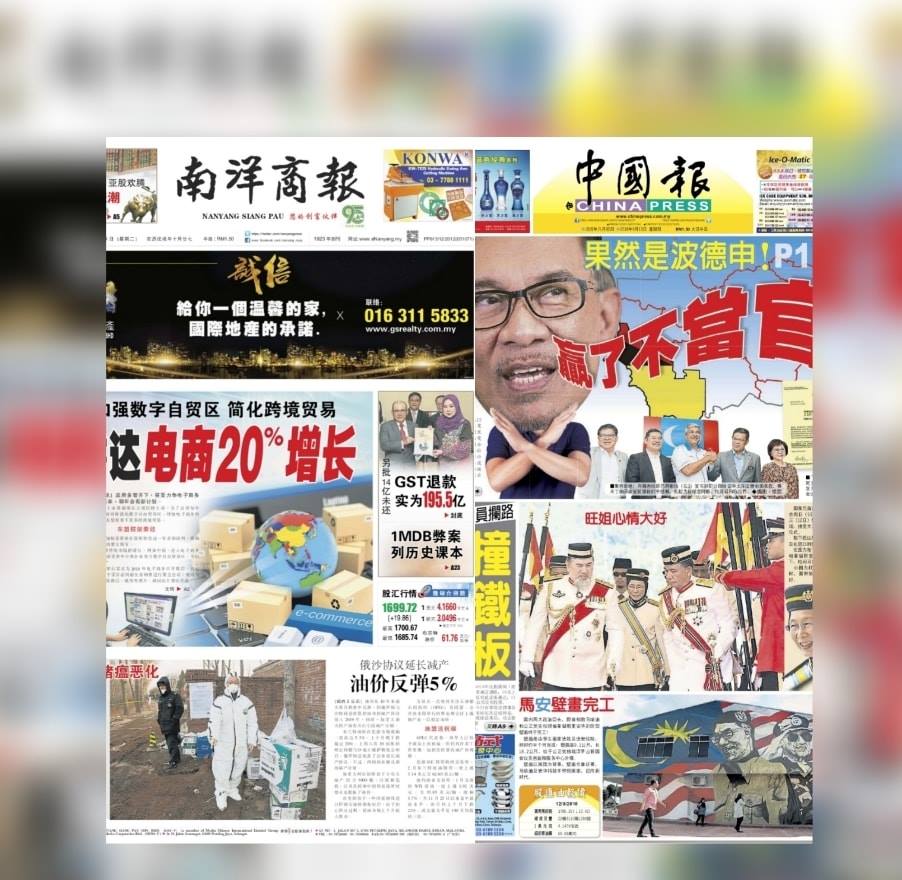
How Nanyang Siang Pau Shaped Chinese Media Legacy Over a Century
Founded in 1923 by the philanthropist Tan Kah Kee, Nanyang Siang Pau quickly became more than a newspaper; it was a rallying point for the Chinese diaspora in Singapore and the wider Straits Settlements. Its pages carried news from the homeland, commentary on colonial policies, and a steadfast advocacy for Chinese education. Over the decades the paper weathered wars, political upheavals, and the rise of television, yet it managed to imprint a lasting imprint on Chinese-language media across Southeast Asia.
Early Years of Nanyang Siang Pau
The inaugural issue arrived at a time when the Chinese community was still carving out its identity under British rule. Tan Kah Kee envisioned a publication that could bridge the gap between the bustling commerce of the “Nanyang” (South Sea) region and the cultural currents flowing from China. Editors prioritized clear Mandarin prose, but they also included articles in local dialects to reach a broader readership. By the late 1920s the paper’s circulation had swelled to tens of thousands, a testament to its relevance and the hunger for a Chinese voice in the public sphere.
Surviving Turbulent Times
World War II tested the resilience of every press outlet in the region. When Japanese forces occupied Singapore in 1942, Nanyang Siang Pau was forced to cease publication, and many of its staff endured hardship. Yet the newspaper resurfaced after the war, resuming operations in 1945 with a renewed mission: to document the reconstruction of the Chinese community and to champion the fight against colonial inequities. The post‑war era also saw the paper adopt a more investigative stance, exposing corruption and advocating for greater civic participation.
Editorial Philosophy and Community Role
What set the paper apart was its blend of reportage and cultural stewardship. Columns on literature, calligraphy, and traditional festivals ran alongside hard‑news stories, reinforcing a sense of shared heritage. The editorial board often took strong positions on education policy, lobbying for Mandarin schools at a time when English‑medium instruction dominated. This advocacy earned the newspaper both admiration and occasional friction with colonial authorities, but it cemented its reputation as a champion of Chinese cultural preservation.
Key Figures Behind the Influence
- Tan Kah Kee – Founder and early patron, whose vision of a “Nanyang” Chinese press shaped the paper’s direction.
- Lim Hock Seng – A noted editor in the 1950s who expanded coverage of regional politics and introduced investigative journalism techniques.
- Chua Kim Yeok – Managed the transition to modern printing methods in the 1970s, ensuring the paper kept pace with technological change.
These leaders, among others, fostered a newsroom culture that prized both accuracy and cultural relevance, a combination that helped the paper outlast many contemporaries.
From Print to Digital: The 1993 Merger
Facing declining print revenues and the rise of broadcast media, Singapore Press Holdings orchestrated a merger in 1993 that paired Nanyang Siang Pau with its longtime rival, Sin Chew Jit Poh. The union birthed Lianhe Zaobao, a bilingual daily that inherited the journalistic standards and community ties of both predecessors. While the original title ceased in Singapore, the brand persisted in Malaysia, where it continues to serve readers with a mix of local news and pan‑Asian perspectives.
Modern Relevance and Ongoing Influence
Even after the merger, the legacy of Nanyang Siang Pau lives on in the editorial ethos of contemporary Chinese-language outlets. Its commitment to bilingual reporting, community engagement, and investigative rigor set a benchmark that current publications still reference. Moreover, scholars of Southeast Asian media often cite the paper as a case study in how diaspora journalism can both reflect and shape ethnic identity.
Frequently Asked Questions
Q: When was Nanyang Siang Pau first published?
A: The newspaper released its inaugural issue in 1923, founded by Tan Kah Kee.
Q: What happened to the paper after the 1993 merger?
A: It combined with Sin Chew Jit Poh to form Lianhe Zaobao in Singapore, while the Nanyang Siang Pau brand continued publishing in Malaysia.
Q: How did Nanyang Siang Pau influence Chinese education in Singapore?
A: The paper regularly advocated for Mandarin-medium schools, published educational columns, and rallied community support for Chinese-language curricula during the colonial period.
Q: Is Nanyang Siang Pau still printed today?
A: Yes, the Malaysian edition remains in print, offering news that blends local Malaysian issues with broader Chinese‑Asian perspectives.