How News Anchors Shape the Narrative of the Israel‑Hamas Conflict
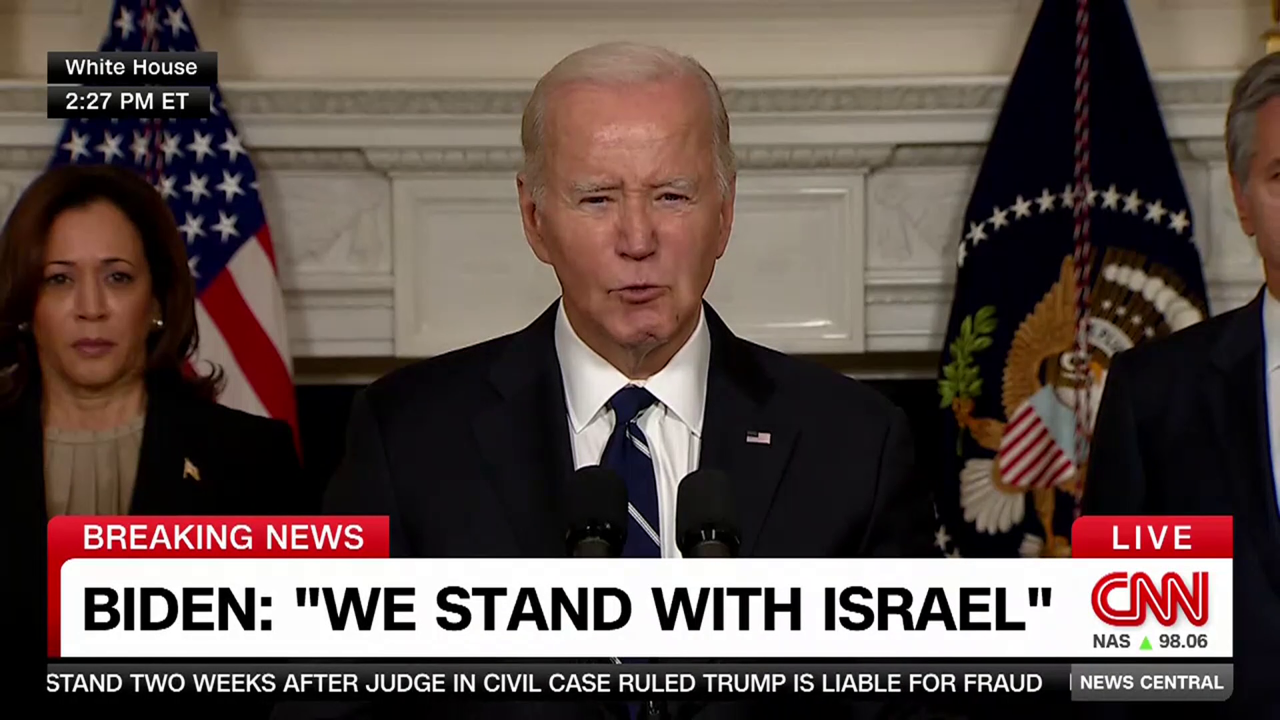
When a war erupts, the faces you see on TV become the first point of contact for millions trying to make sense of the chaos. In the Israel‑Hamas war, anchors are more than just reporters; they act as gatekeepers, framing events, selecting footage, and often setting the emotional tone for the audience.
The Role of the Anchor in Real‑Time Coverage
Live broadcasts demand split‑second decisions. An anchor must balance accuracy with speed, all while maintaining credibility. This pressure can lead to:
- Choosing which casualties to highlight, which can subtly influence public empathy.
- Deciding when to cut to expert commentary versus raw field reports.
- Managing the tone—whether to adopt a calm, reassuring demeanor or convey urgency.
These choices aren’t just editorial; they shape how viewers perceive the legitimacy of each side’s claims.
Bias in the Spotlight
Every newsroom carries a set of cultural and political leanings, and anchors inevitably reflect them, even if unintentionally. Common biases include:
- Selection bias: Emphasizing attacks from one side while downplaying retaliatory actions.
- Language framing: Using terms like “rocket barrage” versus “defensive strike” can sway opinion.
- Source reliance: Preferring statements from official government spokespeople over grassroots witnesses.
Recognizing these patterns helps viewers stay critical rather than passive consumers.
Behind the Scenes: Editorial Decisions
Before a single word reaches the screen, a team of producers, editors, and fact‑checkers scrutinizes the feed. Anchors often receive a curated script that reflects the network’s editorial line. For instance, a channel with a strong domestic audience may stress national security concerns, while an international outlet might focus on humanitarian angles.
Case Study: Divergent Coverage
During the early days of the latest clashes, two major networks presented starkly different narratives:
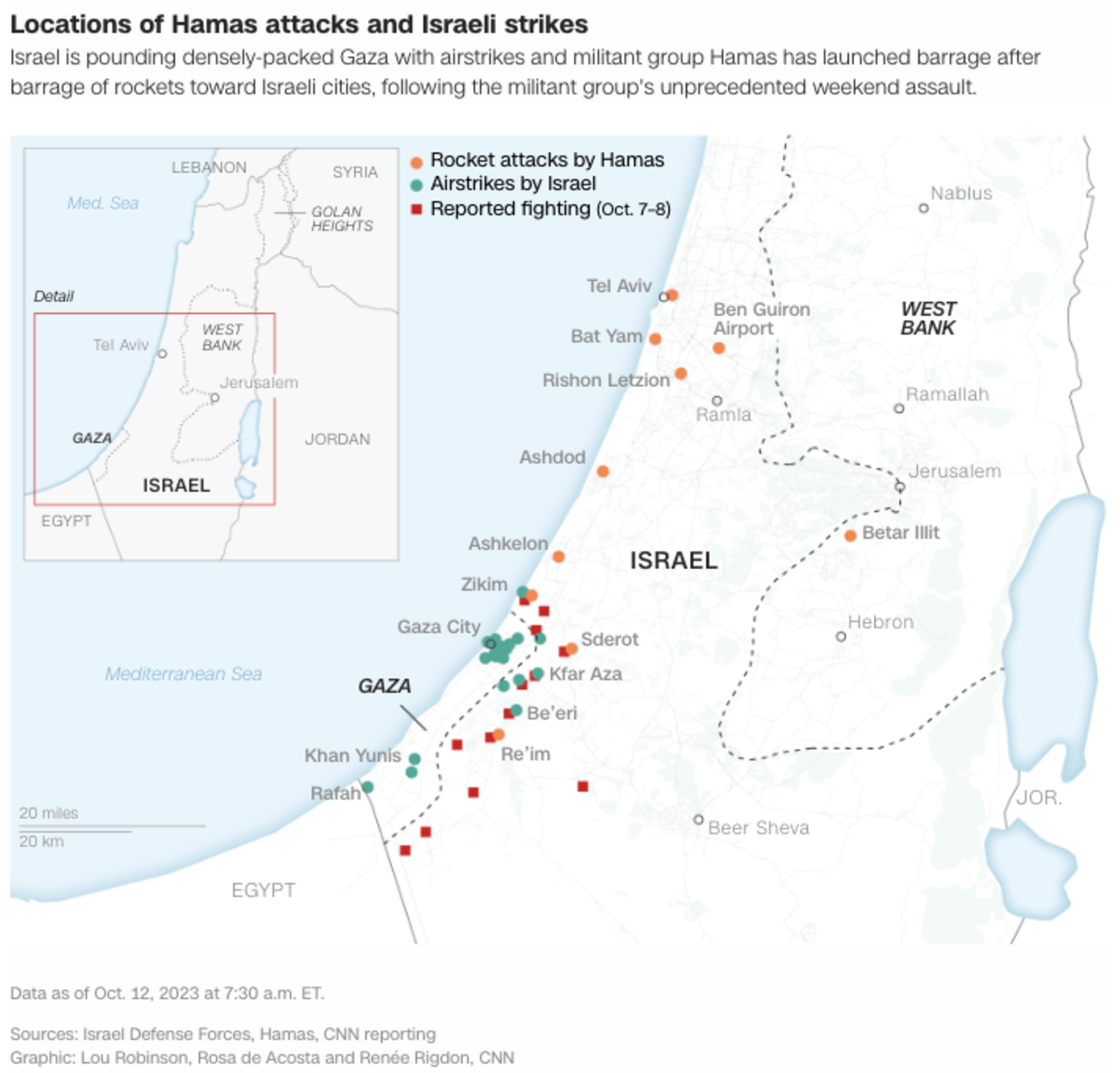
- Network A highlighted the number of rockets fired from Gaza, framing the conflict as a direct threat to civilian safety.
- Network B opened with images of displaced families, emphasizing the humanitarian toll and calling for a ceasefire.
Both stories were factually accurate, yet the emphasis altered the audience’s emotional response.
The Human Element: Anchor Personality
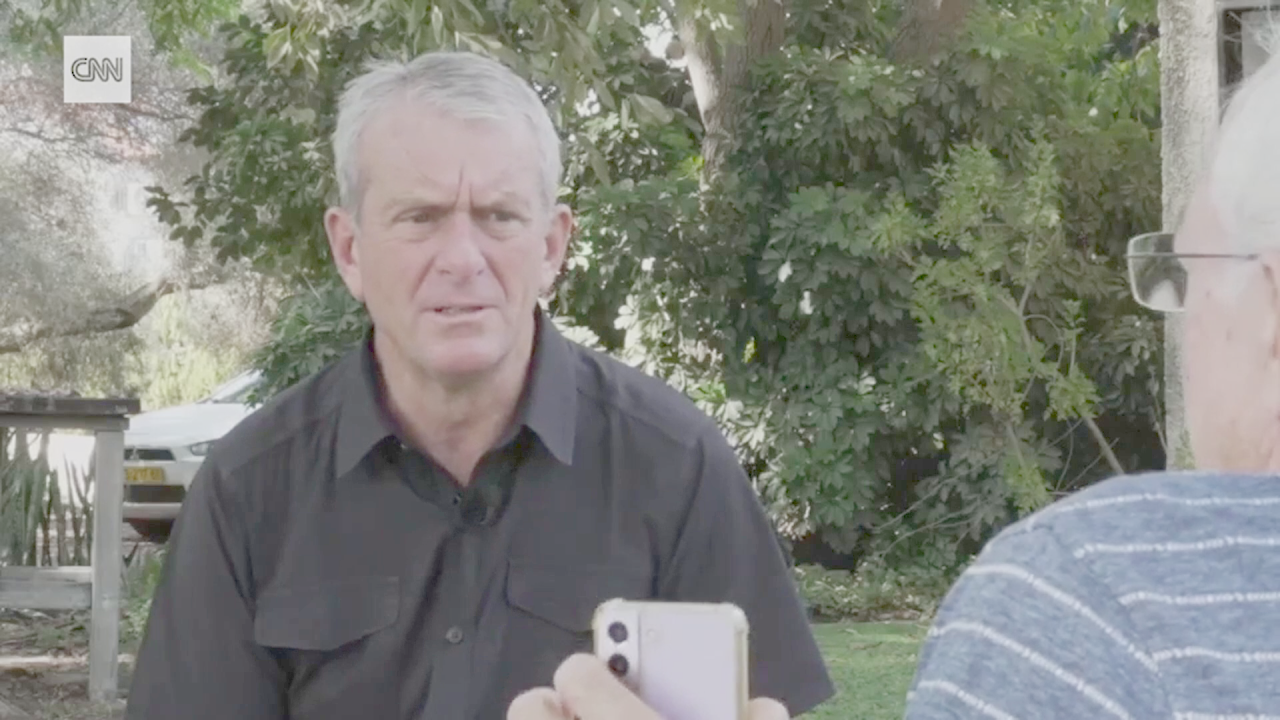
Anchors bring their own backgrounds and styles to the desk. A veteran journalist with decades of Middle‑East reporting may exude confidence, while a younger presenter might appear more tentative, asking probing questions that expose contradictions. These personal touches can either reinforce trust or introduce doubt, depending on the viewer’s expectations.
Challenges Unique to Conflict Reporting
Reporting from an active war zone introduces logistical and ethical hurdles:
- Verification: Confirming casualty figures is notoriously difficult when access is restricted.
- Safety: Anchors sometimes travel to field stations, exposing themselves to danger.
- Emotional strain: Repeated exposure to graphic images can affect on‑air composure and decision‑making.
These pressures can lead to inadvertent errors, which later become focal points for criticism.
Audience Reactions and Social Media Feedback
In today’s digital age, viewers respond instantly via tweets, comments, and live chats. Anchors now juggle the broadcast while monitoring real‑time feedback, occasionally adjusting tone or correcting statements on the fly. This interaction can democratize coverage, but it also risks amplifying echo chambers.
Steps Toward More Balanced Reporting
While no coverage can be perfectly neutral, several practices can improve balance:
- Rotate experts from diverse backgrounds, ensuring representation of both Israeli and Palestinian perspectives.
- Present parallel timelines of events, allowing viewers to track cause and effect.
- Clearly label opinion segments versus straight news to avoid confusion.
- Provide context on historical grievances, not just immediate headlines.
When anchors transparently acknowledge limitations—“We’re still verifying these numbers”—they foster trust rather than false certainty.
What Viewers Can Do
Being an active audience member is as important as the anchor’s role. Consider these habits:
- Cross‑check stories with multiple reputable sources.
- Pay attention to the language used—notice when words carry connotation.
- Take note of what’s omitted as much as what’s shown.
- Engage critically, not emotionally, especially when graphics or sound bites are designed to provoke.
In a conflict as charged as the Israel‑Hamas war, the line between information and persuasion is thin. Anchors, editors, and viewers all share responsibility for keeping that line clear.