How Novak Djokovic’s Diet Boosts Your Tennis Performance
If you’ve ever watched Novak Djokovic dominate the court, you’ve probably wondered what fuels that relentless energy. The answer isn’t just intense training; it’s also a meticulously crafted diet that keeps his body in peak condition. Below we’ll break down the key components of his eating plan and show how you can adapt them to elevate your own game.
The Foundations: Whole Foods Over Processed Snacks
Djokovic swears by a diet that leans heavily on natural, unprocessed ingredients. Think fresh vegetables, lean proteins, and healthy fats. The goal? Provide steady, clean energy without the spikes and crashes that come from sugary, refined foods.
Why does this matter for tennis? A match can last several hours, and an even supply of glucose helps maintain focus and reaction time when fatigue sets in.
Key Food Groups
- Vegetables: Especially leafy greens like kale and spinach, which are packed with iron and magnesium—minerals essential for muscle contraction and endurance.
- Proteins: Fish (particularly salmon), lean poultry, and plant‑based options such as lentils. These support muscle repair after grueling training sessions.
- Complex Carbohydrates: Quinoa, sweet potatoes, and whole‑grain oats provide a slow‑release fuel source.
- Healthy Fats: Avocado, nuts, and olive oil keep inflammation in check and aid nutrient absorption.
Timing Is Everything: When to Eat Around Practice
Djokovic doesn’t just watch what he eats—he watches when he eats it. A typical day might look like this:
- Pre‑practice (2–3 hours before): A modest bowl of oatmeal topped with berries and a spoonful of almond butter. The carbs prime his glycogen stores while the nuts add a hint of protein.
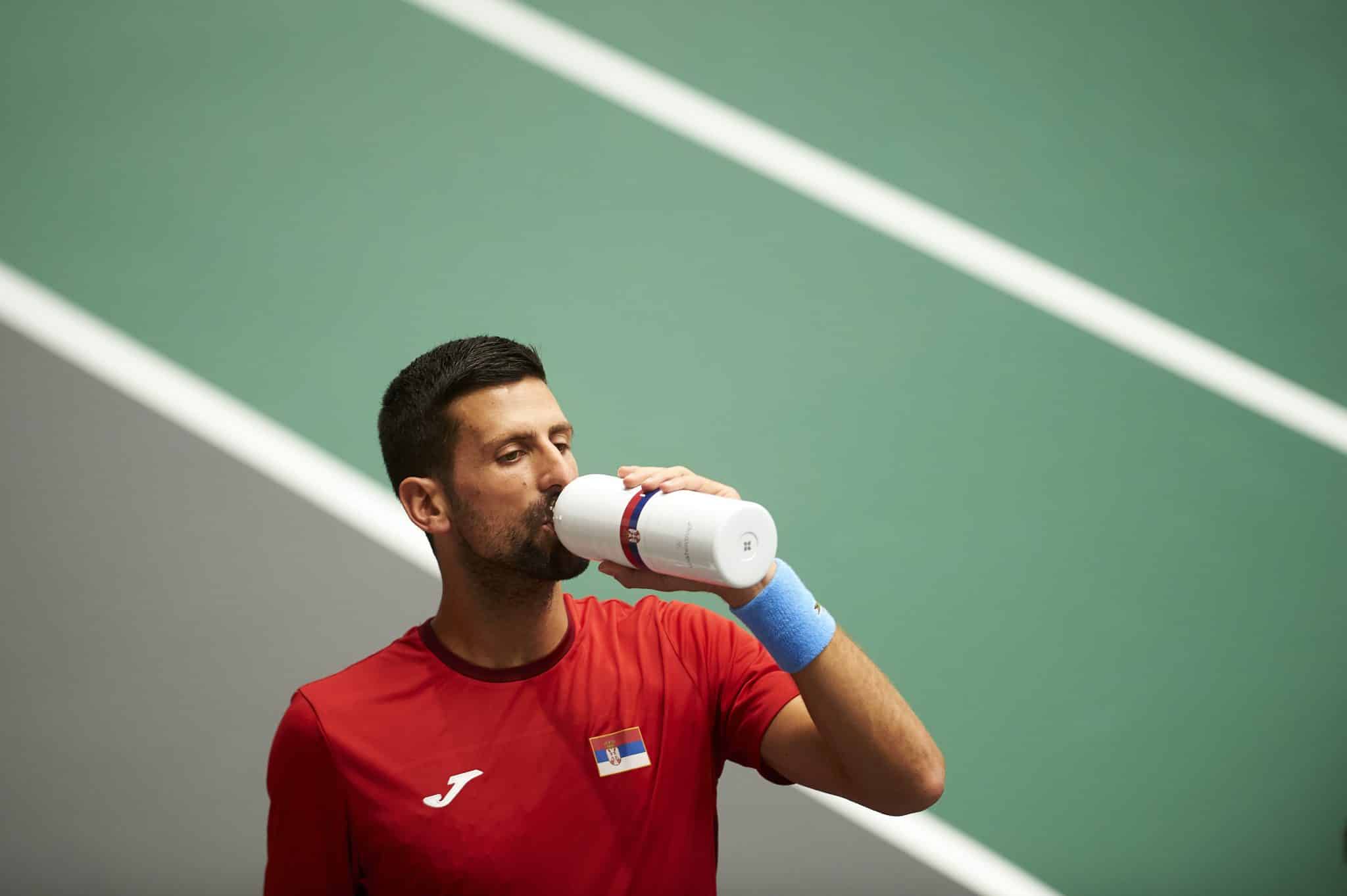
- During practice: Hydration is king, but he also sips on a light electrolyte drink and occasionally grabs a banana for a quick carb boost.
- Post‑practice (within 30 minutes): A protein shake blended with spinach, a scoop of whey, and a dash of coconut water. This combo jump‑starts muscle recovery.
For recreational players, mirroring this schedule doesn’t have to be rigid. The principle is simple: fuel up before you play, stay hydrated, and replenish soon after.
Hydration Hacks: Beyond Plain Water
Even the best diet can fall flat without proper hydration. Djokovic’s secret weapon isn’t just water; it’s a balanced electrolyte solution that replaces sodium, potassium, and magnesium lost through sweat.
He often mixes a pinch of sea salt with a splash of lemon juice and a hint of honey into his water. The result? A refreshing drink that tastes good and supports nerve function.
Mindful Eating: Listening to Your Body
One thing that sets Djokovic apart is his attentiveness to how food makes him feel. He avoids eating large meals right before a match because a heavy stomach can hinder agility.
Instead, he opts for smaller, nutrient‑dense snacks that are easy to digest. A handful of walnuts or a sliced apple with almond butter can be a perfect pre‑match bite.
Sample One‑Day Menu Inspired by Djokovic
Here’s a practical layout you can try, adjusted for an average adult with moderate activity levels.
- Breakfast: Greek yogurt parfait with granola, mixed berries, and a drizzle of honey.
- Mid‑morning snack: A small smoothie (spinach, frozen mango, almond milk, and a scoop of plant protein).
- Lunch: Grilled salmon salad—mixed greens, quinoa, cherry tomatoes, avocado, and a lemon‑olive‑oil dressing.
- Afternoon snack: Carrot sticks with hummus or a handful of mixed nuts.
- Dinner: Stir‑fried chicken breast with broccoli, bell peppers, and brown rice; seasoned with ginger and garlic.
- Evening snack (if needed): Cottage cheese with sliced pineapple.
Adjusting the Plan for Different Play Styles
If you’re a baseline defender who rallies long, focus on sustaining energy—think more complex carbs and a steady intake of electrolytes. If you’re an aggressive net player who bursts with short, explosive movements, prioritize lean protein and quick‑acting carbs like fruit.
Remember, the diet isn’t a one‑size‑fits‑all. Experiment with portions and timing to see what keeps your stamina high without feeling weighed down.
Common Pitfalls and How to Avoid Them
- Skipping meals: It may seem like a shortcut, but it often leads to energy crashes mid‑match.
- Relying on caffeine alone: A cup of coffee can boost alertness, but without proper carbs, it can also cause jitteriness.
- Overlooking micronutrients: Vitamins like B‑complex and D play subtle yet crucial roles in muscle function and recovery.
Addressing these issues early can prevent performance dips and keep your body resilient.
Putting It All Together
Adopting aspects of Novak Djokovic’s diet doesn’t require a complete lifestyle overhaul. Start by swapping out processed snacks for whole‑food alternatives, timing your meals around practice, and staying mindful of hydration. Small, consistent changes often yield the biggest gains on the court.
Next time you lace up your shoes, think about not just the drills you’ll run but also the fuel you’ll deliver to your muscles. With the right nutrition strategy, you might just notice your footwork sharpening, your strokes staying crisp, and your endurance lasting a little longer—just like the man himself.