How OSCP Stacks Up Against SANS SEC504 and SEC560 in 2022
When you’re deciding which penetration‑testing certification to chase, the conversation usually narrows to two heavyweights: the Offensive Security Certified Professional (OSCP) and the SANS courses SEC504 (Advanced Penetration Testing) and SEC560 (Network Penetration Testing & Ethical Hacking). Both paths promise hands‑on labs, a badge of credibility, and a ticket to higher‑paying gigs. Yet they differ in philosophy, exam style, and even the kind of job roles they open. Here’s a side‑by‑side look at the three, with a dash of 2022’s market trends to help you choose.
What Each Program Actually Covers
OSCP – The “War Games” Experience
Offensive Security’s flagship certification revolves around a 24‑hour hands‑on exam. You get a virtual network of machines, each with a distinct vulnerability, and you must exploit them, document your process, and submit a report. The curriculum, known as PWK (Penetration Testing with Kali), emphasizes:
- Linux fundamentals and bash scripting
- Buffer overflows and exploit development
- Privilege escalation on Windows and Linux
- Web application attacks (SQLi, XSS, etc.)
- Pivoting and tunneling across isolated subnets
SANS SEC504 – Advanced Penetration Testing
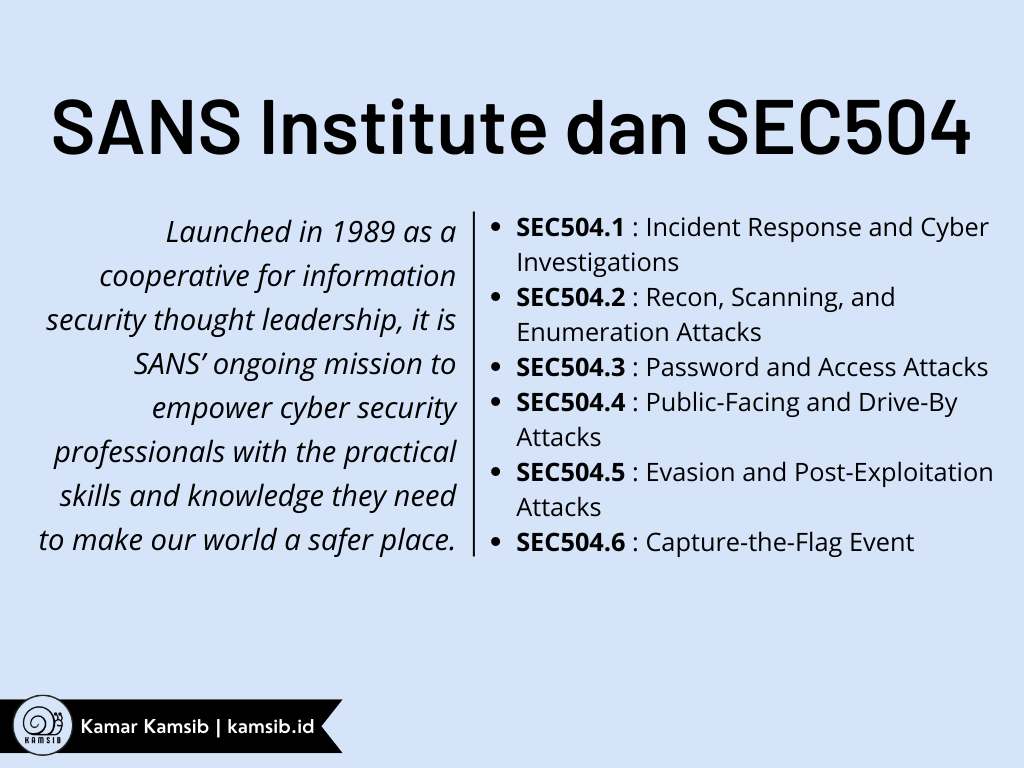
SANS positions SEC504 as a “real‑world” expansion of basic pen‑testing skills. Instead of a single marathon exam, you complete a series of practical labs and a final 24‑hour project that must be presented to instructors. Core topics include:
- Advanced exploitation techniques (kernel, client‑side)
- Red‑team methodologies and threat modeling
- Command‑and‑control (C2) frameworks
- Post‑exploitation and data exfiltration tactics
- Reporting that meets corporate compliance standards
SANS SEC560 – Network‑Centric Hacking
SEC560 zeroes in on network infrastructure. It’s a favorite for those eyeing roles in network security operations centers (SOC) or blue‑team liaison positions. The syllabus covers:
- Wireless and RF hacking
- Router, switch, and firewall exploitation
- Active directory attacks
- Industrial control system (ICS) pentesting basics
- Hands‑on labs using the NetWars platform
Exam Format and What It Means for You
OSCP’s exam is a single, unbroken 24‑hour block. You either finish the required number of machines or you don’t. The pressure is intense, but the payoff is a clear signal to employers: you can stay focused under duress.
SANS handles assessment differently. After completing the labs, you submit a detailed report and, for SEC504, give an oral presentation. The grading is iterative; instructors can ask for clarifications before awarding the certificate. This approach mirrors what you’ll actually do on the job—write thorough documentation and defend your findings.
The “exam” for SEC560 follows a similar pattern, but the emphasis is on network traffic analysis and the ability to map a corporate environment before striking. If you’re more comfortable with methodical, step‑by‑step work than a sprint, the SANS style may feel more natural.
Time and Money Investment
In 2022, the average cost for OSCP—including the PWK course, lab access (30‑90 days), and exam—ranged from $1,299 to $1,599. The labs can be extended for an additional fee, but the basic package is fairly straightforward.
SANS courses are pricier. SEC504 and SEC560 each sit around $6,500 when you include tuition, lab time (typically 6 weeks of NetWars), and the certification exam. Some employers will cover the cost, but the out‑of‑pocket expense can be a hurdle.
Time‑wise, OSCP demands at least 200‑300 hours of self‑study plus the 24‑hour exam. SANS expects you to engage with the labs for about 40‑50 hours per course, plus preparation for the final project. If you’re juggling a full‑time job, the shorter, more intensive OSCP schedule might actually fit better, despite the narrower focus.
Career Impact in 2022
Both credentials are respected, but they tend to open slightly different doors.
- OSCP is often a prerequisite for junior to mid‑level red‑team roles, especially in startups and small to medium enterprises that value raw exploitation skill.
- SEC504 is a strong signal for senior penetration‑testing positions, consulting gigs, or internal red‑team jobs where you’ll also need to write polished reports and guide remediation.
- SEC560 aligns well with network‑security engineering, threat‑hunting, and specialized pentesting of critical infrastructure.
Recruiters in 2022 reported that candidates holding both OSCP and a SANS cert were “highly desirable,” often commanding salaries $15‑20k above the median for comparable experience.
Which One Fits Your Learning Style?
Consider how you absorb information:
- If you thrive on solving puzzles under pressure, love Linux command line, and enjoy a “prove it yourself” badge, OSCP is likely your match.
- If you prefer structured classroom material, guided labs, and the reassurance of instructor feedback, the SANS courses will feel more supportive.
- Do you see yourself working primarily with routers, firewalls, and wireless gear? SEC560’s network‑centric labs could give you the edge you need.
Community and Ongoing Support
The OSCP community is famously tight‑knit: the NetWars platform, countless Discord channels, and an endless stream of write‑ups on sites like Hack The Box keep your skills fresh. SANS, meanwhile, offers a subscription to the Continuous Learning Portal, granting you access to new modules and the chance to earn additional GIAC certifications.
In practice, many professionals combine the two—use OSCP to cement core exploitation chops, then layer on a SANS cert for formal reporting and network expertise.
Bottom Line
Choosing between OSCP, SEC504, and SEC560 isn’t a matter of one being objectively better; it’s about aligning the certification’s focus with your career goals, budget, and preferred learning rhythm. In the evolving security landscape of 2022, the most marketable candidates tend to be those who can both break into a system (OSCP) and explain the breach in business terms (SANS). Whatever path you take, expect a steep learning curve—but also a rewarding boost to your professional credibility.