How Parents Can Effectively Handle Disrespect at Home
Kids testing limits is a normal part of growing up, but when that testing turns into outright disrespect, many parents feel stuck. Handling disrespect isn’t about punishing a child for the sake of it; it’s about teaching a lifelong skill—how to treat others with dignity, even when emotions run high. Below is a guide that blends proven parenting strategies with the everyday realities families face.
Why Disrespect Happens: The Developmental Lens
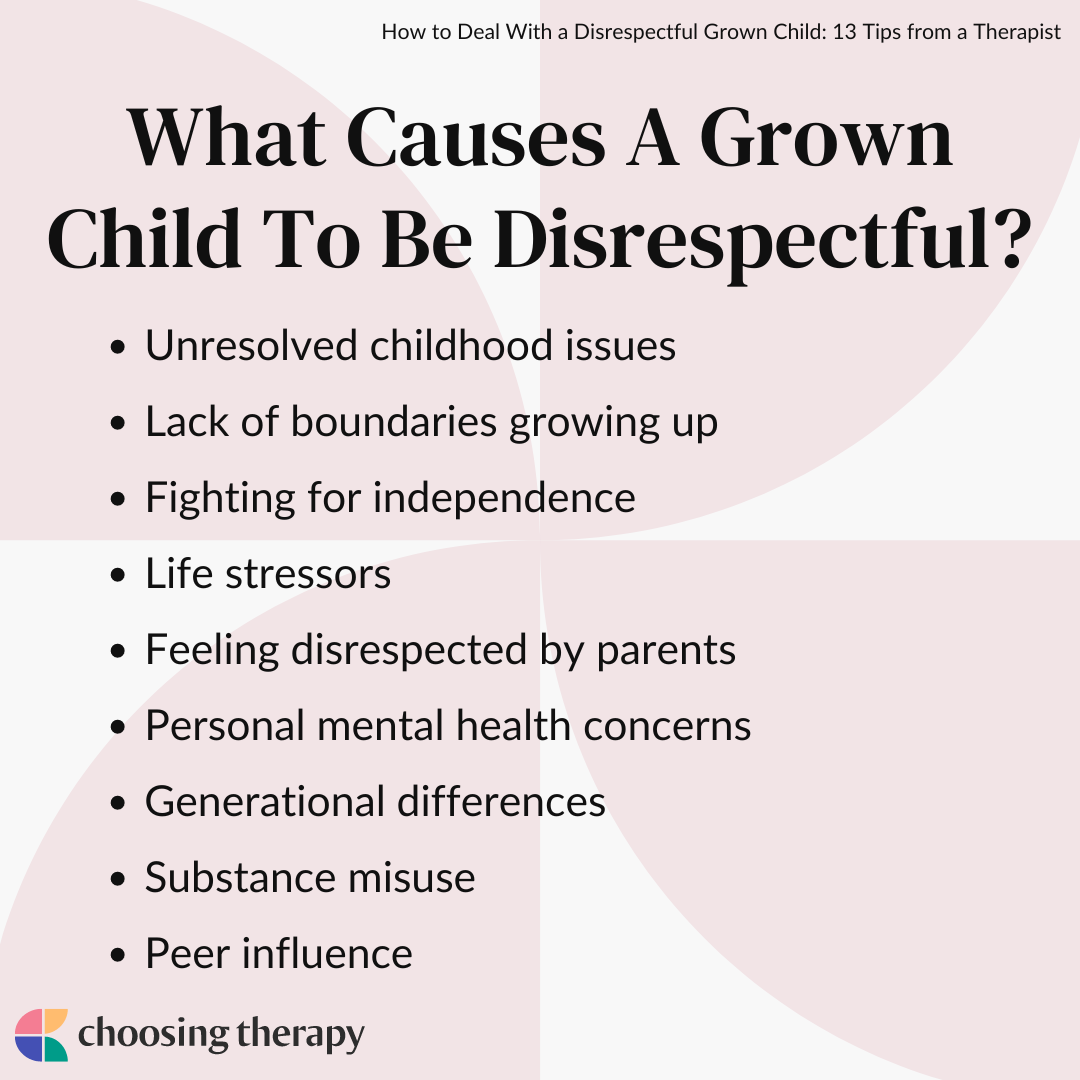
Before diving into solutions, it helps to understand the why. Young children often lack the language to express frustration, so they resort to tone, eye‑rolls, or outright defiance. As they age, peer influence, media exposure, and the desire for autonomy can amplify disrespectful behavior. Recognizing that disrespect is usually a symptom—not the problem itself—sets a more compassionate tone for correction.
Practical Steps for Handling Disrespect
These actions work best when applied consistently and with calm authority.
- Set crystal‑clear expectations. Tell your child exactly what respectful communication looks like—“use a calm voice,” “keep eye contact,” “ask before you speak.” Write a short family rule sheet if it helps keep things visual.
- Model the behavior you demand. Kids mirror what they see. If you handle disagreements with patience, they’ll learn that respect is a two‑way street.
- Address the behavior immediately. Don’t wait until bedtime to bring up a rude comment made at dinner. The closer you are to the incident, the clearer the cause‑effect link becomes.
- Use “I” statements. Instead of “You’re always rude,” try “I feel hurt when I’m spoken to that way.” This reduces defensiveness and opens a path for dialogue.
- Offer a brief, logical consequence. A short time‑out or loss of a privilege works best when it’s directly tied to the disrespectful act and explained in simple terms.
Communicating Respectfully When Emotions Run High
Disrespect often spikes during conflict. Teach your child a “pause” technique: count to three, take a deep breath, then speak. Practice this together during calm moments so it becomes a habit when tempers flare. Role‑playing common scenarios—like being asked to clean up or finish homework—can also reinforce respectful phrasing before the real situation arises.
Balancing Consistency with Flexibility
Strict, unchanging rules can feel oppressive, while a “let it slide” approach breeds confusion. Find the middle ground by keeping core expectations steady but allowing room for negotiation on less critical issues. For instance, you might enforce a firm “no yelling” rule while letting your teen choose the order of chores for the day.
When to Involve Outside Support
If disrespect persists despite clear boundaries, calm conversations, and appropriate consequences, it may signal deeper issues such as anxiety, bullying, or learning difficulties. A pediatrician, school counselor, or family therapist can offer insight and tailored strategies. Seeking help early prevents the pattern from solidifying into a long‑term habit.
Reinforcing Positive Interactions
Positive reinforcement often outshines punishment. Catch your child being respectful—a polite thank you, a calm request, or a thoughtful apology—and acknowledge it specifically: “I loved how you asked for help without raising your voice.” Over time, the brain associates respectful behavior with praise, making it more likely to repeat.
Creating a Respectful Family Culture
Culture isn’t built on a single rule; it’s a tapestry woven from daily interactions. Schedule regular family meetings to discuss feelings, celebrate successes, and adjust expectations as needed. Encourage each member to voice concerns respectfully, reinforcing that every voice matters and deserves courtesy.
FAQ
How can I stop my child from rolling their eyes?
Eye‑rolling is a common sign of frustration. Gently point it out in the moment—“I see you rolled your eyes. Let’s talk about what’s bothering you.” Pair the reminder with a calm alternative, like taking a short break before responding.
What’s a good age to start teaching respectful communication?
Even toddlers understand basic manners. Start with simple requests—“please” and “thank you”—and model respectful tone. As language skills grow, introduce more nuanced concepts like active listening and apologizing.
Should I punish my teen for disrespectful text messages?
Yes, but keep the focus on the behavior, not the device. Explain why the tone matters, and set a clear consequence such as temporary loss of phone privileges. Offer a chance to rewrite the message respectfully to reinforce learning.
Is it ever okay to ignore disrespectful behavior?
Occasionally, a brief “ignore” can defuse a power‑play, especially if the child seeks attention. However, repeated disrespect should never be dismissed; consistent guidance is essential for lasting change.