How Price Influences Consumer Behavior in Marketing
When you glance at a product tag, the number you see does more than just tell you what to pay—it silently shapes the whole buying journey. Understanding why price holds such sway can give marketers a decisive edge, especially in markets where choices are abundant and budgets are tight.
The Psychology Behind the Numbers
People don’t just calculate value; they feel it. A few cents up or down can trigger a cascade of emotional responses, from excitement to doubt.
- Price anchoring: The first price you encounter plants a reference point that later prices are measured against.
- Perceived quality: Higher price often signals better quality, even if the product itself hasn’t changed.
- Loss aversion: Consumers fear paying more than they expected, which can halt a purchase in its tracks.
These mental shortcuts explain why the same item can sell like hotcakes at $19.99 but linger on shelves at $24.99.
Strategic Pricing Tactics
Once you grasp the mental triggers, you can deploy tactics that align price with the desired perception.
1. Charm Pricing
Ending a price with .99 or .95 feels cheaper than rounding up. The difference is subtle, yet it taps into the brain’s tendency to focus on the leftmost digits.
2. Tiered Pricing
Offering basic, premium, and deluxe versions lets shoppers self‑select a price that matches their identity. The middle tier often becomes the most popular—known as the “Goldilocks” effect.
3. Time‑Limited Discounts
When a sale is framed as a fleeting opportunity, urgency spikes. This can override the usual hesitation that comes with higher prices.
When Price Becomes a Brand Asset
Some companies deliberately set prices higher to cultivate an aura of exclusivity. Think luxury fashion or high‑end tech—here, the price itself is part of the story.
- Brand storytelling: Price is woven into narratives about craftsmanship, heritage, or innovation.
- Selective accessibility: By keeping prices out of reach for the mass market, the brand maintains a coveted status.
In such cases, reducing price isn’t just a discount; it risks diluting the entire brand identity.
Common Pitfalls to Avoid
Even seasoned marketers stumble over price missteps. Recognizing the warning signs early can save both reputation and revenue.
- Over‑discounting erodes perceived value and can create a “price‑only” shopper mindset.
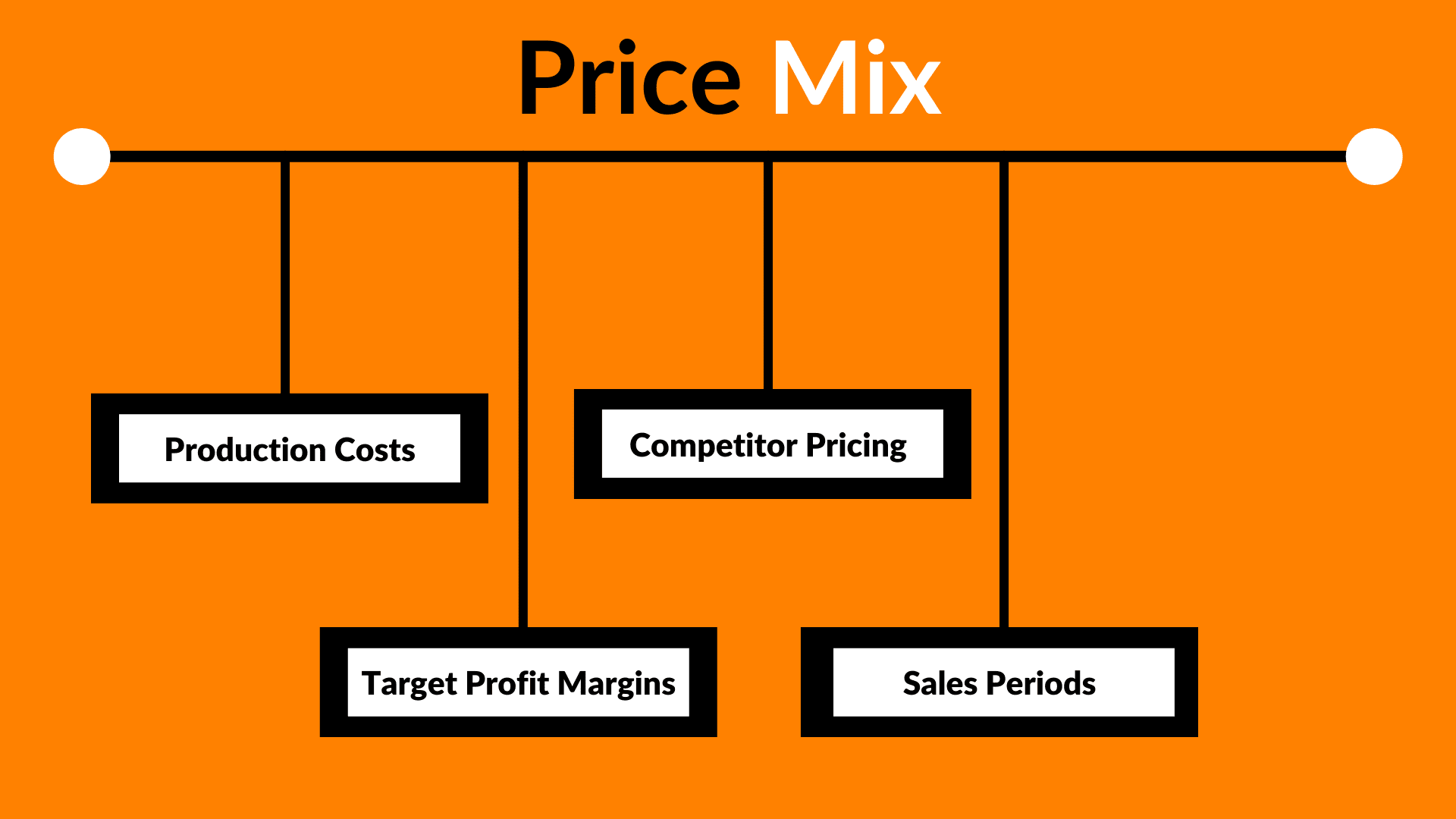
- Ignoring competitor pricing may leave you either overpriced or undercut without justification.
- Failing to test price elasticity—how demand shifts with price changes—leads to guesses rather than data‑driven decisions.
Measuring the Impact
Numbers don’t lie, but they need context. Pair price experiments with metrics that reveal true performance.
- Conversion rate: Tracks how many visitors actually purchase at a given price point.
- Average order value (AOV): Helps you see if higher prices push customers toward larger baskets.
- Customer lifetime value (CLV): Shows whether a premium price attracts loyal, high‑spending patrons.
Combining these indicators paints a clearer picture than sales volume alone.
Practical Steps to Refine Your Pricing
Ready to put theory into practice? Here’s a quick roadmap you can adapt to any product line.
- Map out the competitor landscape and note price ranges.
- Identify your target segment’s price sensitivity through surveys or A/B tests.
- Select a pricing model—cost‑plus, value‑based, or dynamic pricing—and set an initial price.
- Launch a controlled test (e.g., a specific region or audience) and monitor the metrics above.
- Analyze the data, adjust your price, and repeat until you hit the sweet spot.
Remember, price isn’t a static label; it’s a lever you can fine‑tune as market conditions shift.
Looking Ahead
As technology advances, dynamic pricing algorithms powered by AI and real‑time data are becoming mainstream. Yet, the core principle remains unchanged: price is a psychological cue that can make or break a sale. By blending timeless insights with modern tools, marketers can harness that power without losing sight of the human element behind every checkout.