How Road User Charges Affect Your Trips and Wallet
Ever wondered why you see a separate line item on your vehicle tax bill or notice on the highway? That’s the road user charge (RUC) doing its quiet work. It’s not a tax in the traditional sense, but a fee that helps fund the upkeep of the roads you drive on—especially in places where the government relies less on fuel taxes. Below, we break down the basics, the different ways RUC is collected, and what you should watch out for to avoid surprise costs.
What Exactly Is a Road User Charge?
In simple terms, a road user charge is a payment you make for the privilege of using public roads. Unlike a fuel levy that’s baked into every litre of gasoline, RUC can be levied based on mileage, vehicle weight, or even the type of engine. The idea is to spread the cost of road maintenance fairly across those who actually benefit from it.
Why Do Governments Use RUC?
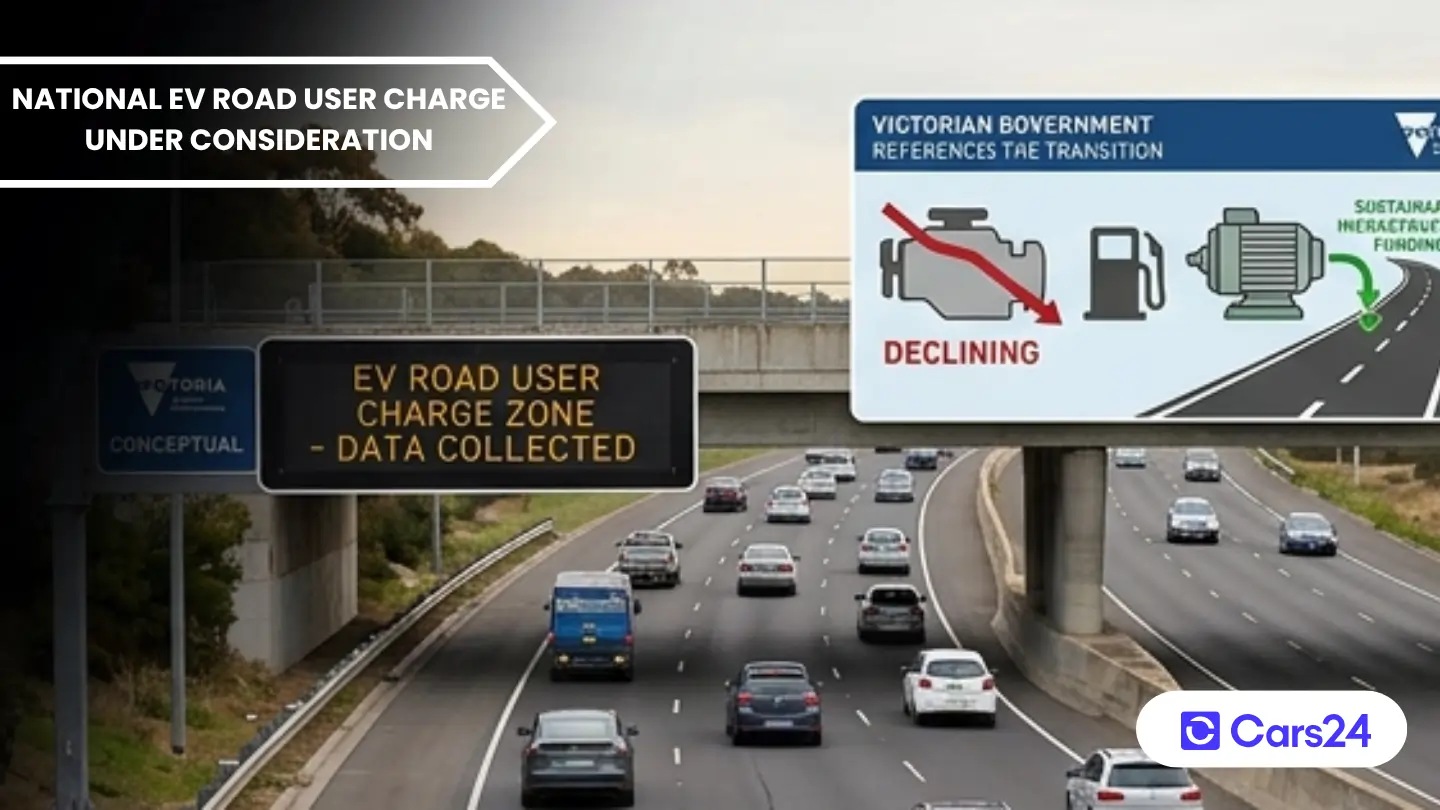
- Shift From Fuel Taxes: As electric and hybrid cars become more common, revenue from gasoline drops, prompting policymakers to look for alternatives.
- Targeted Funding: Some regions use RUC to fund specific projects, such as highway expansions or rural road upgrades.
- Environmental Incentives: By charging per kilometre instead of per litre, authorities can encourage drivers to travel less or switch to cleaner vehicles.
How Is the Charge Calculated?
The method varies by jurisdiction, but the most common formulas include:
Per‑Kilometre Fees
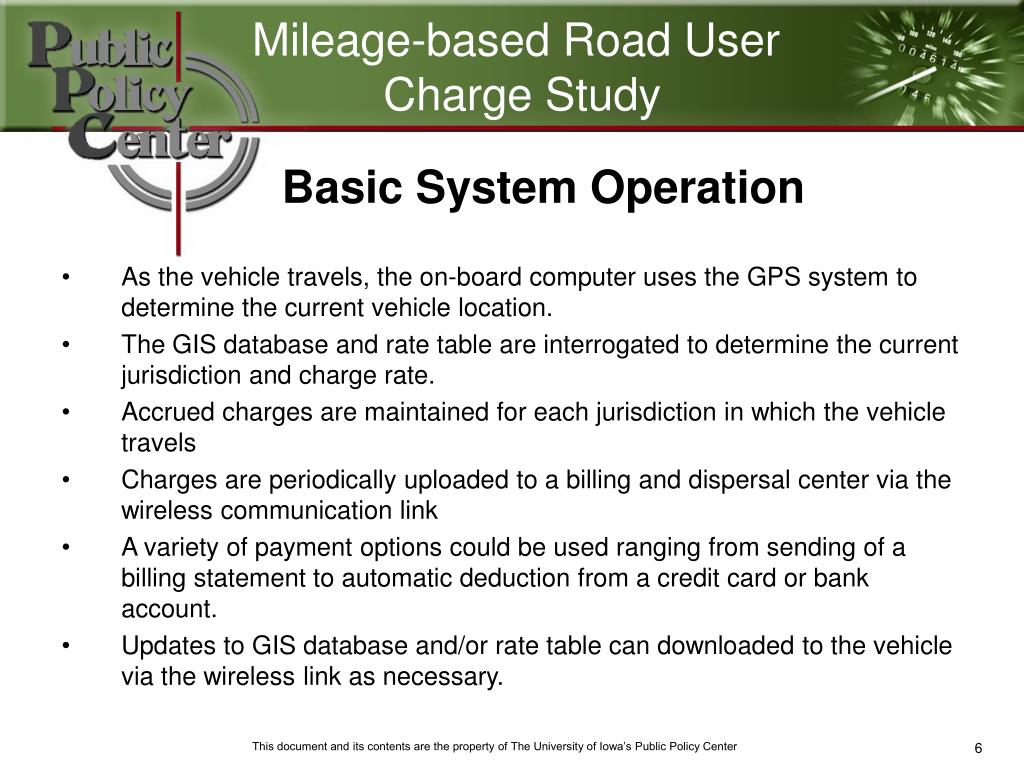
Drivers install a small device—often a satellite‑linked dongle—in their car. The unit tracks distance traveled and bills the driver monthly or quarterly. Rates can differ for urban vs. rural miles.
Weight‑Based Fees
Heavy trucks and commercial vehicles often pay more because they cause greater wear and tear. The charge may be set per tonne of gross vehicle weight, applied annually.
Flat Annual Fees
Some places charge a simple yearly amount based on vehicle class (e.g., passenger car, SUV, bus). This is the easiest to understand but less precise in matching road usage.
Who Needs to Pay?
Generally, anyone who registers a vehicle that travels on public roads is on the hook. However, there are notable exceptions:
- Electric cars in certain countries enjoy reduced or zero RUC for a limited time, as part of green‑car incentives.
- Historic or classic vehicles may be exempt if they’re driven only for shows or limited mileage.
- Vehicles used exclusively on private property are not subject to RUC.
Common Pitfalls and How to Avoid Them
Even if the system seems straightforward, a few traps can catch drivers off guard:
- Missing a Payment: Late fees can stack quickly, especially with monthly billing cycles.
- Incorrect Mileage Reporting: Some devices can be tampered with, leading to disputes and potential penalties.
- Unaware of Exemptions: If you qualify for a discount (e.g., electric vehicle), failing to register properly may mean you pay the full rate.
Tips for Managing Your Road User Charge
Think of RUC as another line item in your vehicle budget. A few simple habits can keep it from becoming a surprise expense:
- Set Up Automatic Payments: Most agencies offer direct debit; this eliminates the chance of forgetting a due date.
- Track Your Mileage: Use a smartphone app or the vehicle’s odometer to monitor trips, especially if you’re close to a mileage threshold.
- Check for Updated Rates: Governments often adjust RUC rates annually. A quick glance at the transportation department’s website can save you from outdated assumptions.
- Explore Discounts: If you’ve recently switched to an electric or hybrid car, verify whether you qualify for reduced fees.
Impact on Different Types of Drivers
While a commuter driving a compact car might see a modest charge, the effect can be stark for other groups:
Long‑Distance Truckers
Because they cover hundreds of kilometres daily and haul heavy loads, truckers often shoulder the highest RUC bills. Many freight companies incorporate these costs into their pricing models, meaning the driver may not see the fee directly, but it influences overall freight rates.
Rural Residents
People living far from major cities often travel longer distances to work or shop. In some jurisdictions, rural mileage is taxed at a lower rate to reflect lower infrastructure strain, but that isn’t universal.
Urban Commuters
City dwellers may benefit from lower per‑kilometre rates, especially if they rely on public transport for part of their journey. However, congestion charges in some metros operate alongside RUC, adding another layer of cost.
Future Trends: What’s Next for Road User Charges?
The landscape is evolving. With autonomous vehicles on the horizon and more nations pledging carbon‑neutral goals, RUC systems are likely to become more sophisticated. Expect:
- Dynamic pricing that adjusts rates based on traffic congestion in real time.
- Greater integration with telematics, allowing insurers and fleet managers to bundle RUC with other vehicle‑related services.
- Expanded incentives for low‑emission vehicles, potentially tying RUC reductions to verified carbon‑footprint data.
Staying informed now means you’ll be ready to adapt when these changes roll out.
Bottom Line
Road user charges are a practical way for governments to fund road infrastructure without leaning solely on fuel taxes. They affect everyone, but the impact varies widely based on vehicle type, mileage, and local policies. By understanding how RUC is calculated, keeping tabs on your usage, and taking advantage of any available exemptions, you can keep this expense predictable and avoid unwanted penalties.