How Schudson Defines Journalism’s Watchdog Role in Modern Media
When scholars talk about the press as a “watchdog,” they’re often quoting Michael Schudson, a leading historian of American journalism. Schudson’s take is richer than the headline‑sounding phrase suggests; it’s a blend of institutional history, democratic theory, and everyday newsroom practice. In this article we unpack his key ideas, explore why the watchdog metaphor still matters, and look at the challenges that digital disruption throws into the mix.
Schudson’s Core Argument: The Press as a Democratic Institution
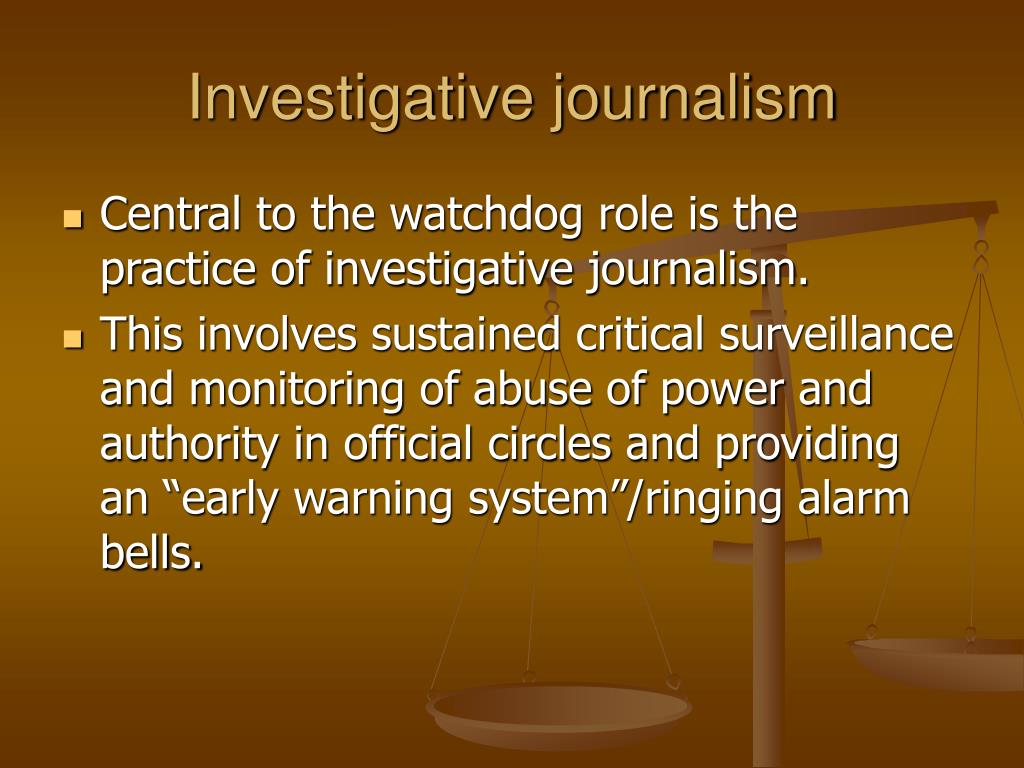
At the heart of Schudson’s scholarship is a simple claim: a free press performs a vital function for democracy by monitoring power. He doesn’t treat this as a static duty but as a dynamic relationship that evolves with political and technological change. According to Schudson, three pillars support the watchdog role:
- Information gathering: Journalists must have the resources and legal protections to investigate.
- Public dissemination: Findings need to reach a wide audience, not just an elite circle.
- Accountability pressure: Reporting should provoke debate, scrutiny, or corrective action from institutions.
When any of these pillars crumble, the watchdog loses its bite.
Historical Roots
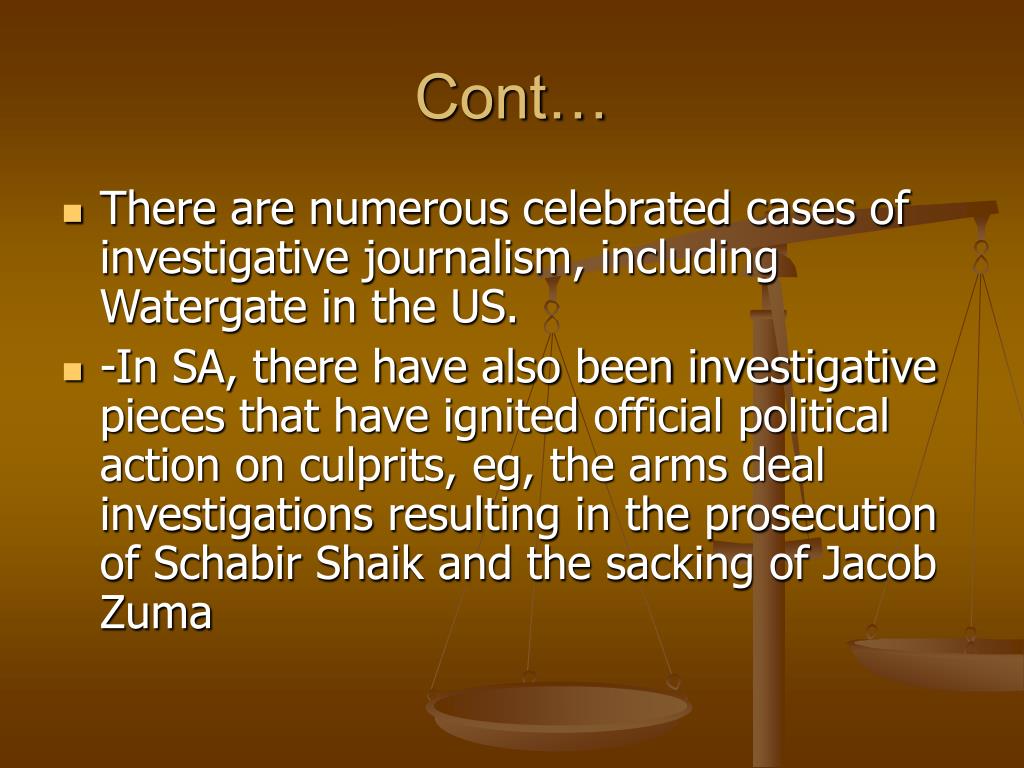
Schudson traces the metaphor back to the 18th‑century pamphleteers who challenged monarchies. In the United States, the “Fourth Estate” emerged alongside the Constitution, embodying a check on governmental excess. Over the 19th and 20th centuries, the press gradually professionalized, gaining the capacity to conduct systematic investigations—a shift Schudson highlights in his work on “professional journalism.”
From “Muckraking” to “Data Journalism”: Shifts in Technique
One of Schudson’s most insightful observations is that the watchdog’s tools have changed, even if the mission remains constant. Early watchdogs relied on physical documents, courtroom testimony, and relentless footwork. Today, journalists blend:
- Freedom‑of‑information requests
- Database mining
- Crowdsourced verification
- Multimedia storytelling
These methods broaden reach but also raise new ethical questions—something Schudson warns us to keep in mind.
The Role of Editorial Judgment
Schudson emphasizes that a newsroom’s internal culture decides which stories become “watchdog” pieces. Editors must balance:
- Public interest versus commercial pressure
- Depth of investigation versus speed of the news cycle
- Objectivity against the need for advocacy
A newsroom that leans too heavily on advertisers may lose its daring, while one that chases sensationalism could sacrifice credibility.
Digital Age Complications
Social media platforms have turned every user into a potential “watchdog,” but Schudson cautions against conflating virality with verification. The digital sphere introduces two major hurdles:
- Information overload: Audiences are bombarded with competing narratives, making it harder for any single story to cut through.
- Economic strain: Traditional revenue models collapse, limiting resources for long‑form investigations.
In response, some outlets experiment with nonprofit funding, membership models, or collaborative investigations across borders—strategies that echo Schudson’s call for institutional adaptation.
Trust and Credibility
Public trust in media is wavering, a trend Schudson attributes partly to “culture wars” and partly to the erosion of a shared factual baseline. He argues that the watchdog role can rebuild credibility if journalists are transparent about sources, methods, and errors. A short, honest correction can sometimes reinforce trust more than a polished, unblemished story.
Practical Takeaways for Modern Journalists
If you’re a reporter or editor wondering how to apply Schudson’s framework today, consider these concrete steps:
- Invest in investigative skills: Learn data‑analysis tools and FOIA filing techniques.
- Foster cross‑department collaboration: Pair beat reporters with multimedia teams for richer storytelling.
- Engage audiences early: Use social platforms to crowdsource tips while maintaining rigorous verification.
- Secure diversified funding: Mix subscriptions, grants, and partnerships to keep investigative units afloat.
These actions don’t guarantee success, but they align newsroom practice with the watchdog ethos Schudson describes.
Critiques and Ongoing Debates
Not everyone buys into Schudson’s optimism about the press’s democratic function. Critics point out that:
- Major media conglomerates may prioritize corporate interests over public scrutiny.
- “Watchdog” stories often focus on political scandals, neglecting systemic issues like climate change.
- The rise of “citizen journalism” blurs the line between professional accountability and popular opinion.
Schudson acknowledges these tensions, suggesting that the watchdog role is not a guarantee but a continuous, contested project.
Why Schudson Still Matters
Despite the criticisms, Schudson’s work offers a roadmap for evaluating press performance. By framing the watchdog function as a set of interlocking duties—research, dissemination, accountability—he provides a yardstick against which we can measure both old‑school newspapers and new digital platforms. In an era where misinformation spreads faster than ever, revisiting his ideas helps us ask the right questions: Are journalists truly digging deep? Are their findings reaching the public? And are they prompting real change?
In short, Schudson reminds us that the watchdog is less a badge and more a responsibility—one that requires constant renewal, resources, and, crucially, a willingness to adapt without losing sight of democratic purpose.