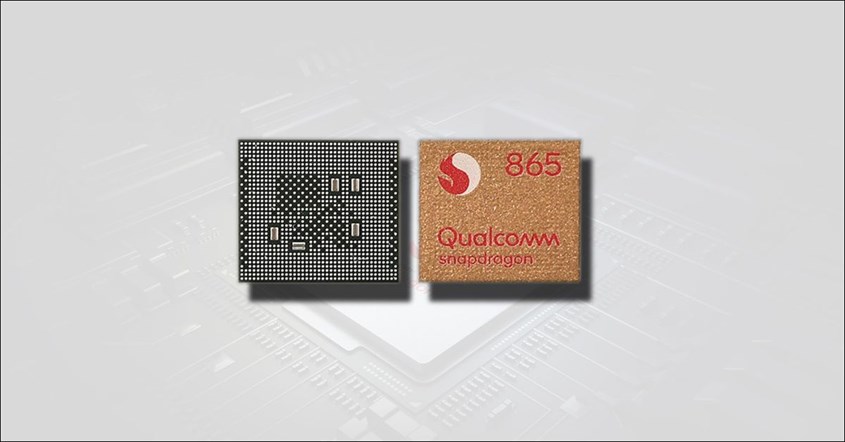
How Snapdragon 865 Powers Modern Phones With Octa-Core Performance
When you hear the name Snapdragon 865, most tech‑savvy folks picture a sleek flagship smartphone tearing through games and apps with barely a hitch. But beneath that glossy marketing banner lies a fairly complex piece of silicon—a true octa‑core powerhouse engineered by Qualcomm. Let’s peel back the layers and see what makes this chip tick, why it still matters in 2024, and how it shapes the everyday experience of a smartphone user.
The Architecture: Three Clusters, One Goal
Snapdragon 865 isn’t a monolithic block of identical cores. Instead, Qualcomm opted for a heterogeneous design that divides the eight cores into three distinct clusters:
- Prime core (Kryo 585 Prime) – clocked up to 2.84 GHz, handling the most demanding single‑threaded tasks.
- Performance cores (Kryo 585 Gold) – two cores at 2.42 GHz, perfect for multi‑threaded workloads like gaming engines or AI inference.
- Efficiency cores (Kryo 585 Silver) – four cores at 1.8 GHz, keeping background tasks and everyday apps from draining the battery.
This “big‑LITTLE” arrangement lets the chip allocate work where it belongs. A quick photo edit runs on the Prime core, while the Silver cores quietly sync emails in the background. The result is a smooth, responsive feel without the constant need to plug in.
Manufacturing Leap: 7‑nm Process
Moving to a 7‑nanometer process was a pivotal step for the 865. Shrinking transistors not only reduces power consumption but also allows higher clock speeds without overheating. In practice, you’ll notice the phone staying cooler during extended gaming sessions—a subtle comfort that many users overlook.
GPU Muscle: Adreno 650
The graphics side is handled by the Adreno 650 GPU, delivering roughly 25% more rasterisation performance than its predecessor. For gamers, this translates into higher frame rates at 1080p and even decent 1440p experiences on premium devices. It also accelerates UI animations, making the OS feel buttery smooth.
Real‑world impact
Imagine scrolling through a social‑media feed where each video thumbnail loads instantly, or playing a fast‑paced shooter where textures never pop in late. Those moments are the cumulative effect of the GPU’s higher throughput paired with the CPU’s quick task handling.
AI On‑Chip: The Hexagon Processor
Qualcomm tucked a Hexagon 698 DSP into the mix, dedicated to AI tasks. From real‑time photo enhancements to voice assistants that actually understand context, the DSP offloads these calculations from the main cores. The net benefit? Faster AI features and less strain on the battery.
Connectivity That Keeps Up
Beyond raw compute, the Snapdragon 865 brings integrated X55 5G modem support. It covers both sub‑6 GHz and mmWave bands, meaning you can enjoy high‑speed data wherever carriers have rolled out the infrastructure. Coupled with Wi‑Fi 6 and Bluetooth 5.1, the chip provides a comprehensive connectivity suite without needing separate chips.
Battery Life: Balancing Power and Efficiency
One common criticism of flagship chips is appetite for juice. The 865’s tri‑cluster design, 7‑nm efficiency, and dedicated AI/DSP units mitigate that risk. In typical usage—messaging, browsing, occasional video playback—phones powered by the 865 often hit a full day on a 4,500 mAh battery. Heavy gaming will, of course, shorten that window, but you’ll still see better endurance compared to older Snapdragon generations.
Real‑World Devices Using the 865
While newer chips have entered the market, the 865 still underpins a swath of premium models launched in 2020 and 2021. Devices like the Samsung Galaxy S20, OnePlus 8 Pro, and Xiaomi Mi 10 series all leveraged its capabilities. Even today, refurbished or slightly older flagships with the 865 remain solid choices for those wanting flagship performance at a lower price point.
Where Does It Stand Against Modern Competitors?
Comparing the 865 to newer offerings—Snapdragon 888, 8 Gen 1, or Apple’s A16—shows a gap, especially in raw AI throughput and efficiency. However, the 865 still holds its own for most consumers:
- Gaming: Slightly lower max frame rates on the latest titles, but still ample for 60 fps at 1080p.
- Camera processing: Handles up to 64‑MP sensors well, though newer chips enable more advanced computational photography tricks.
- Battery endurance: Comparable to early 8‑Gen chips thanks to the efficient 7‑nm node.
In short, the 865 is a “good enough” champion for anyone not chasing the absolute bleeding edge.
Future‑Proofing: What to Expect
If you’re buying a phone today, consider how long you plan to keep it. The 865’s support for 5G, Wi‑Fi 6, and robust AI means it will stay functional for several years, even as apps become a bit more demanding. Software updates from manufacturers also tend to run smoother on chips that still receive driver optimisations.
Key Takeaways
- Octa‑core layout (1 + 2 + 4) balances performance and power.
- 7‑nm process keeps heat and consumption low.
- Adreno 650 GPU delivers solid gaming and UI smoothness.
- Hexagon DSP accelerates AI without taxing the CPU.
- Integrated X55 modem provides full 5G readiness.
- Still competitive for most users, especially in mid‑range price brackets.
All told, the Snapdragon 865 remains a noteworthy milestone in Qualcomm’s roadmap—a chip that proved you don’t need the newest silicon to enjoy a flagship experience. Whether you’re hunting a discounted premium phone or simply curious about the tech under your palm, the 865’s octa‑core design offers a blend of speed, efficiency, and connectivity that still feels fresh.