How Solar Power Plants Are Transforming India’s Energy Landscape
Solar power plants in India have moved from a niche experiment to a central pillar of the country’s renewable energy strategy. Over the past decade, the government’s ambitious targets, falling panel prices, and a surge of private investment have reshaped the nation’s power mix. If you’re curious about how these installations work, where the biggest projects sit, and what hurdles still loom, this overview will walk you through the most relevant facts.
Solar Power Plants in India: Current Landscape
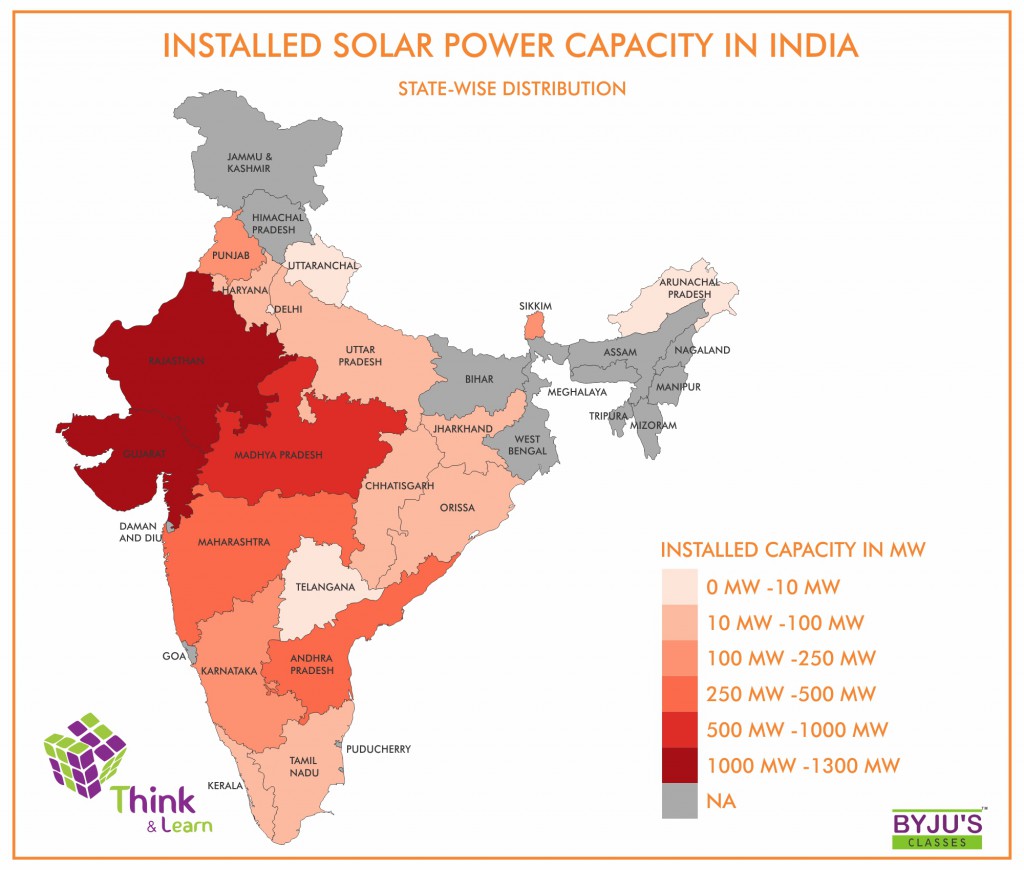
As of early 2024, India’s cumulative solar capacity sits just above 70 GW, making it the world’s third‑largest solar market. That figure includes utility‑scale farms, rooftop arrays, and hybrid schemes, but the bulk of large‑scale generation comes from dedicated solar power plants spread across arid and semi‑arid zones. States such as Rajasthan, Gujarat, and Madhya Pradesh dominate the map because of high insolation levels and relatively inexpensive land.
These plants typically operate under long‑term power purchase agreements (PPAs) with state utilities, guaranteeing a fixed tariff for 20‑25 years. The predictable revenue stream has attracted both domestic firms like Adani Green and foreign investors such as ACME Solar, creating a vibrant ecosystem of developers, EPC contractors, and equipment manufacturers.
Why Solar Is Gaining Momentum
- Cost declines: The levelized cost of electricity (LCOE) from utility‑scale solar has dropped below ₹2 per kWh in several competitive bids, outpacing coal in many regions.
- Policy push: The National Solar Mission aims for 100 GW of solar capacity by 2030, backed by subsidies, accelerated clearances, and renewable‑energy certificates.
- Grid flexibility: Advances in inverter technology and battery storage enable solar farms to provide ancillary services, helping balance a grid that’s increasingly fed by intermittent sources.
Key Types of Solar Power Plants
Not every solar farm looks the same. The three most common configurations are:
Ground‑mounted fixed tilt
Panels sit on a stationary structure angled to capture the sun’s average path. Simplicity keeps costs low, making this the workhorse for large tracts of flat land.
Single‑axis trackers
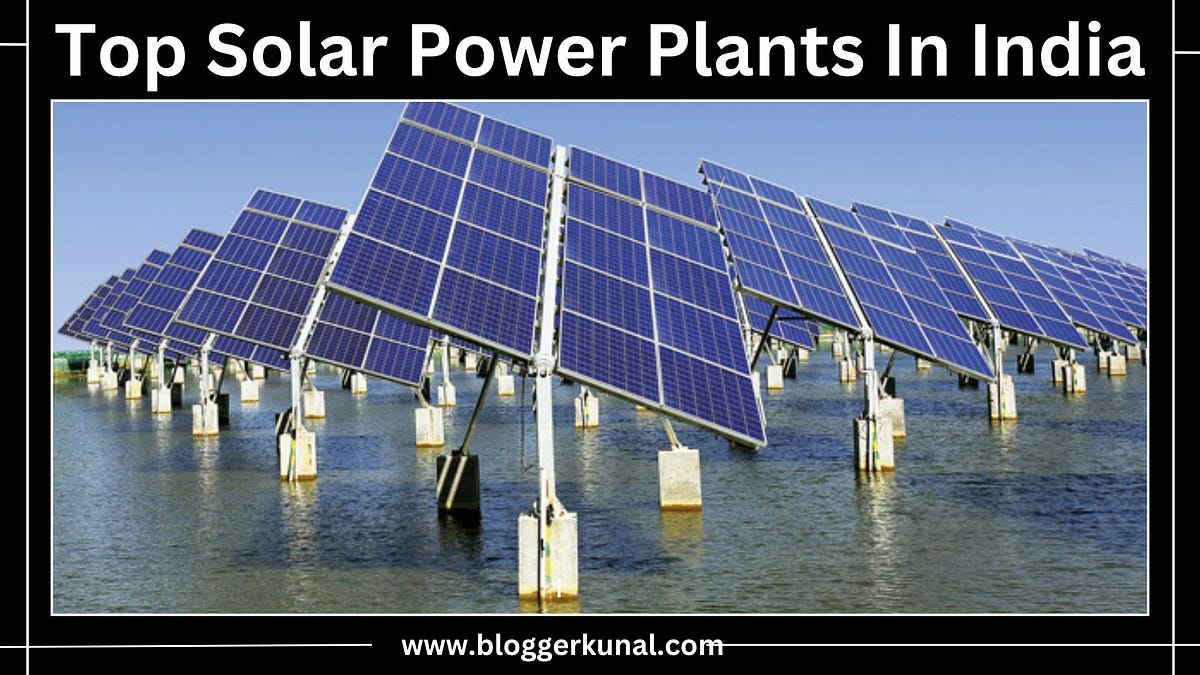
Rows of panels rotate east‑west throughout the day, boosting energy yield by roughly 10‑15 % compared with fixed‑tilt systems. The extra mechanical complexity is justified when land is premium.
Hybrid solar‑wind farms
Some projects co‑locate wind turbines and PV panels, smoothing output because wind peaks often complement solar generation. The hybrid model is still emerging but shows promise in states like Gujarat.
Major Projects and Their Capacity
Here are a few flagship installations that illustrate the scale and diversity of India’s solar push:
- Bhadla Solar Park (Rajasthan): Spanning over 14,000 acres, it boasts a total installed capacity of 2.25 GW, making it one of the world’s largest solar complexes.
- Kurnool Ultra Mega Solar Park (Andhra Pradesh): With 1 GW of capacity, this plant helped set a record low tariff of ₹2.44 /kWh in a 2020 auction.
- Kamuthi Solar Power Project (Tamil Nadu): A 648 MW installation that demonstrates how high‑density panel layouts can thrive in humid coastal climates.
- Hybrid solar‑wind hub near Kutch (Gujarat): Currently under construction, it aims for a combined 1.5 GW of renewable output, showcasing the next‑generation approach to land use.
Challenges and Opportunities
Despite impressive growth, several obstacles keep the sector from reaching its full potential.
Land acquisition remains contentious, especially in states where agricultural demand competes with solar development. Innovative solutions—such as floating solar on reservoirs or using barren desert plots—are gaining traction.
Grid integration is another hurdle. The existing transmission network was built for centralized thermal plants, so bottlenecks can arise when solar farms feed power into remote areas. Ongoing upgrades, including high‑voltage direct current (HVDC) corridors, aim to alleviate these constraints.
On the upside, the rapid rollout of battery storage is beginning to address intermittency. Projects like the 500 MWh lithium‑ion system in Tamil Nadu illustrate how firms are pairing solar with storage to offer firm capacity and peak‑shaving services.
Future Outlook: What to Expect by 2030
Looking ahead, the trajectory suggests that solar will soon eclipse coal as the primary source of new capacity additions. If the current pace of 10‑12 GW per year continues, India could surpass its 100 GW solar target a few years early.
Policy refinements—such as streamlining land‑use clearances, expanding green‑energy corridors, and incentivizing domestic manufacturing of cells and modules—will be crucial. Meanwhile, the private sector is exploring agrivoltaics, where crops grow beneath solar arrays, promising a win‑win for food security and energy production.
In short, solar power plants in India are not just a headline; they’re reshaping the nation’s energy blueprint, creating jobs, and delivering cleaner air for millions.
Frequently Asked Questions
What is the total installed solar capacity in India?
As of early 2024, the country’s cumulative solar capacity exceeds 70 GW, encompassing utility‑scale farms, rooftop systems, and hybrid projects.
How much land does a typical utility‑scale solar plant require?
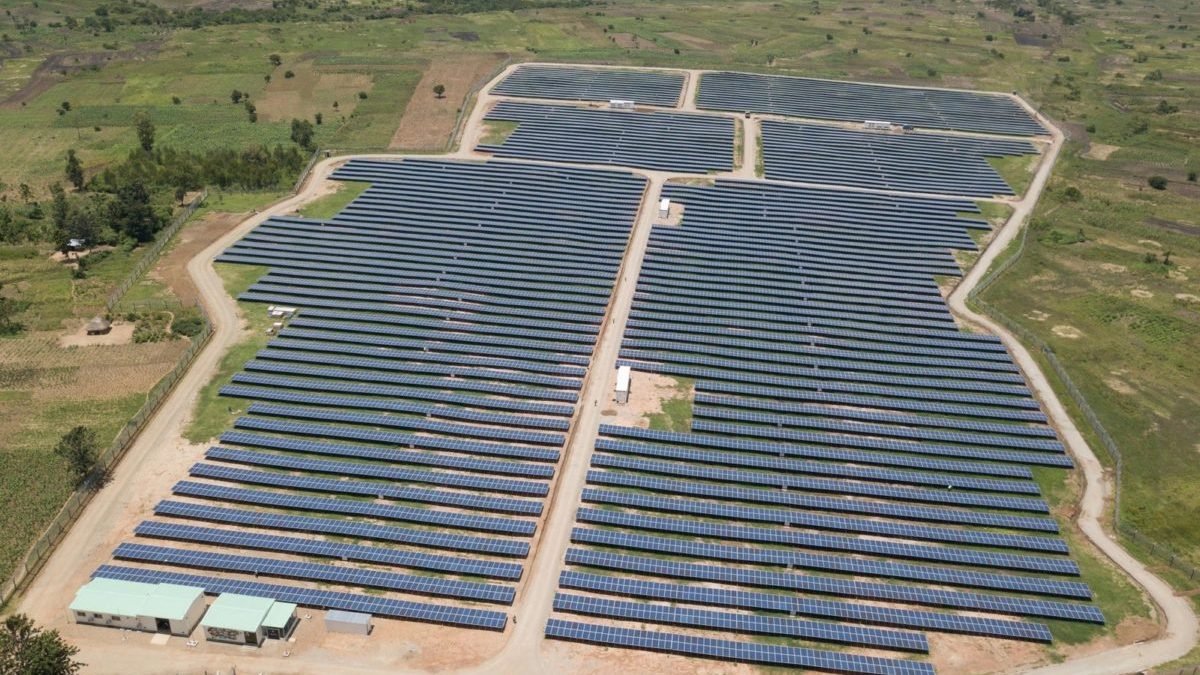
On average, a 1 GW ground‑mounted plant needs about 2,500–3,000 acres (roughly 10 km²), though this varies with panel efficiency and whether trackers are used.
What are the main challenges for solar power in India?
Key issues include land acquisition, grid‑integration bottlenecks, and the need for large‑scale storage. Ongoing policy reforms and technology advances aim to mitigate these concerns.