How Taiwan and South China Sea Tensions Evolve – Latest Updates
Why This Region Keeps Headlines Hot
Every few months a new incident pops up – a patrol boat brushes a fishing fleet, a diplomatic note lands on a foreign ministry desk, or a high‑ranking official makes a bold statement. Those headlines aren’t isolated; they’re threads in a larger tapestry of strategic rivalry, economic stakes, and national identity. Whether you’ve been tracking the news for weeks or just caught the latest tweet, the underlying forces behind Taiwan’s status and the South China Sea dispute remain surprisingly consistent.
Recent Moves From Taipei
In the past month, Taiwan’s government has taken three noticeable steps that signal both defiance and a search for broader support.
- Military drills near the Taiwan Strait: The Republic of China Armed Forces conducted a series of live‑fire exercises that simulated a blockade breach. Observers noted the inclusion of advanced missile systems previously reserved for training only.
- New diplomatic outreach: A delegation headed by Foreign Minister Joseph Wu visited several Pacific island nations, offering development aid in exchange for support in international forums.
- Cyber‑defense upgrades: The National Security Bureau announced a partnership with a multinational tech firm to harden critical infrastructure against state‑sponsored attacks.
These actions, while distinct, share a common theme: Taiwan is pushing back against isolation while signaling to allies that it can still shoulder regional security responsibilities.
What’s Happening on the Water
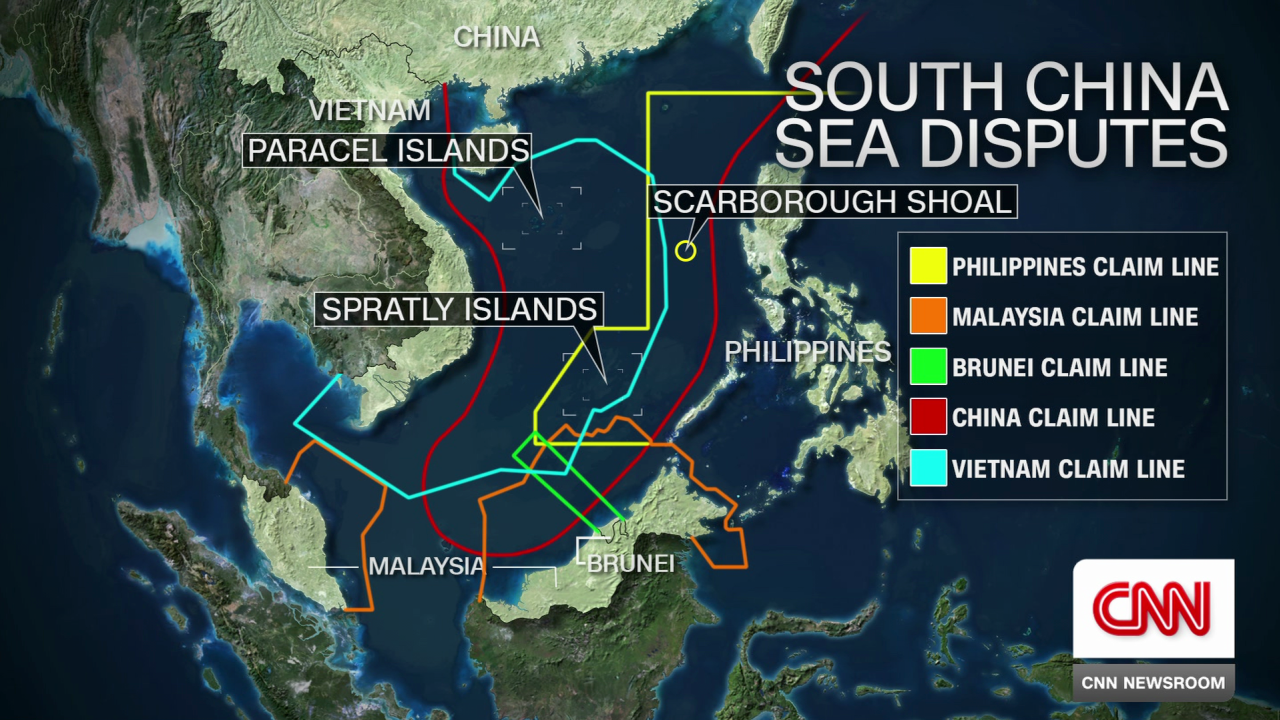
The South China Sea stays a flashpoint because of its oil reserves, fishing grounds, and, perhaps most importantly, the legal precedent it sets for maritime claims. Here are the three most talked‑about incidents from the last six weeks.
China’s “Law‑Enforcement” Patrol Near the Spratly Islands
A Chinese coast‑guard vessel intercepted a Philippine supply boat near the Second Thomas Shoal. The encounter lasted under an hour, but video footage showed the larger ship shadowing the smaller one at a distance of roughly 200 meters. Manila lodged a protest, and the United States issued a statement of “concern” without naming any parties.
U.S. Freedom‑of‑Navigation Operation (FONOP) Near the Paracel Islands
In a move that sparked a brief diplomatic flare‑up, a U.S. destroyer sailed within 12 nautical miles of the disputed Paracel chain. While the ship did not enter what China claims as its “territorial sea,” the passage was clearly intended to demonstrate that the U.S. does not recognize the expansive nine‑dash line.
Vietnam’s New Claim Map
Vietnam released an updated maritime claim that pushes its exclusive economic zone (EEZ) farther south, overlapping with areas already claimed by China and the Philippines. The map, posted on the Ministry of Natural Resources website, sparked criticism from Beijing, which called it “irresponsible” and warned of “serious consequences.”
Economic Ripples You Might Miss
Beyond the headlines of ships and missiles, the tension translates into real numbers on the global market.
- Oil futures have hovered 2‑3% higher since the latest South China Sea skirmish, reflecting fears of supply disruptions.
- Semiconductor stocks in Taiwan saw a modest uptick after the military drills, as investors interpreted the show of force as a sign that Taiwan’s defence capabilities are improving.
- Tourism to the outlying islands of Taiwan dipped briefly after the diplomatic tour, but numbers rebounded once the news cycle shifted.
These shifts may seem minor, yet they illustrate how geopolitical risk filters into everyday investment decisions.
International Reactions: A Mixed Bag
Not every country reacts the same way, and the nuances often reveal deeper alliances.
Japan’s Balancing Act
Tokyo issued a carefully worded statement praising “peaceful resolution” after the latest Chinese patrol. While it avoided naming China directly, the Japanese government quietly increased joint training exercises with Taiwan’s air force.
Australia’s New “Strategic Partnership”
In Canberra, officials announced a “strategic partnership” with Taiwan focused on cyber security and supply‑chain resilience. The announcement came just days after a senior Australian diplomat was summoned by Beijing for unrelated remarks about the Indo‑Pacific.
The EU’s Call for “Rule‑Based Order”
The European Union’s foreign affairs chief reiterated the bloc’s commitment to a “free, open, and rule‑based Indo‑Pacific.” No direct sanctions were mentioned, but the language suggests a growing willingness to side with countries that challenge Beijing’s maritime claims.
What Experts Say About the Next Few Months
Analysts are divided. Some point to a probable escalation, citing recent upgrades to Taiwan’s missile systems and the increasing frequency of U.S. naval passages. Others argue that economic interdependence will keep the powers from crossing a red line outright.
One senior scholar at the Asia‑Pacific Institute warned, “We may see more “gray‑zone” tactics—legal maneuvers, cyber intrusions, and economic pressure—rather than outright combat.” Meanwhile, a defense contractor based in Taiwan’s northern city of Hsinchu told reporters that “the procurement cycle for modern air defence is already in motion, and we expect delivery of key systems within 18‑24 months.”
How You Can Stay Informed
Given the fluid nature of these developments, here are a few practical tips for keeping up without getting overwhelmed.
- Set up Google Alerts for “Taiwan Strait” and “South China Sea” to receive daily digests.
- Follow reputable regional think tanks on Twitter—such as the Center for Strategic and International Studies (CSIS) and the Institute for Defence Studies and Analysis (IDSA).
- Subscribe to a newsletter that summarizes maritime security news; many offer concise briefings every Monday.
Staying sharp doesn’t require a Ph.D. in geopolitics—just a habit of checking a few trusted sources regularly.