How Technology Transformed Johnny Depp’s Film Career
From a lanky teen in 21 Jump Street to the eccentric captain of a cursed ship, Johnny Depp’s journey mirrors the very tools that reshaped Hollywood over the past three decades. When you watch his movies today, you’re not just seeing his chameleon‑like performances—you’re also witnessing the rise of CGI, digital de‑aging, and streaming platforms that have nudged his career into new directions.
The Early 1990s: Practical Effects Meet a Rising Star
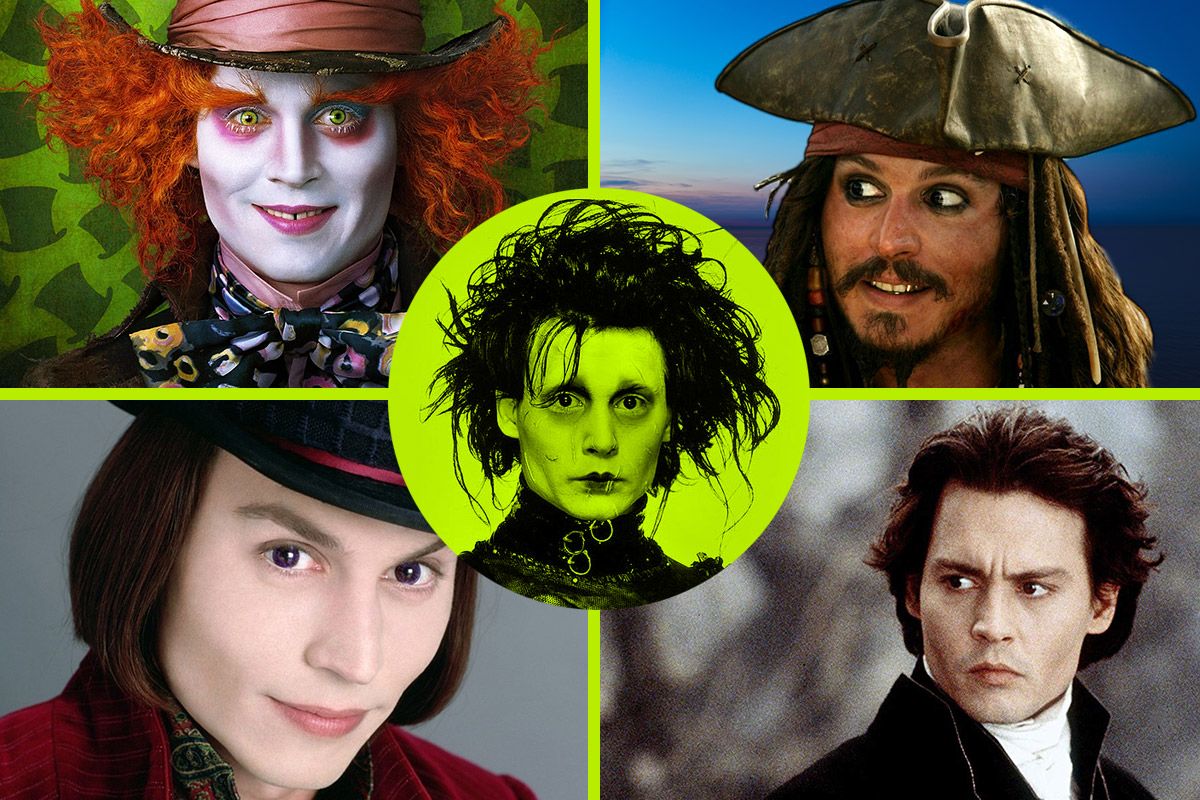
Depp’s breakout role in Edward Scissorhands (1990) arrived just as practical effects were reaching their zenith. Tim Burton’s use of elaborate makeup, animatronics, and miniature sets gave the film its fairy‑tale texture, and Depp’s willingness to endure hours in prosthetics earned him a reputation for fearless physicality. While the movie relied heavily on tangible craftsmanship, the set‑design team began experimenting with early computer‑generated background extensions, hinting at the digital wave to come.
Mid‑1990s: The Birth of Digital Compositing
When Donnie Brasco (1997) hit theaters, its gritty realism owed as much to on‑location shooting as to the nascent practice of digital compositing. Editors could now splice together shots taken months apart, tightening the narrative flow without the costly reshoots that once stalled productions. Depp’s performance benefited indirectly—scenes could be re‑timed to capture subtle facial nuances that might otherwise have been lost.
2000‑2003: The Pirate Era and Motion Capture
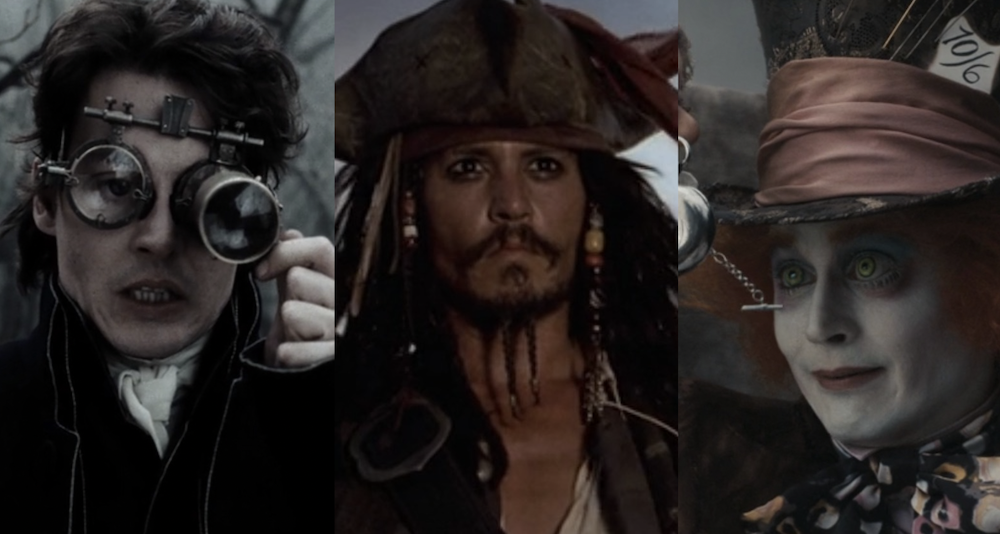
The turning point came with Pirates of the Caribbean: The Curse of the Black Pearl (2003). The film’s swashbuckling spectacle demanded a blend of practical stunts and computer‑generated imagery. Notably, the skeletal pirates were created through motion‑capture technology, allowing actors’ movements to drive realistic, bone‑clad CGI. Depp’s Jack Sparrow, with his swaggering gait, was enhanced by subtle digital tweaks that preserved his performance while amplifying the supernatural aura.
2005‑2009: Embracing the Virtual Set
Burton’s Sweeney Todd: The Demon Barber of Fleet Street (2007) and Alice in Wonderland (2010) pushed the envelope further. The latter, in particular, was built almost entirely within a virtual environment. Actors performed on a motion‑capture stage, their movements translated into the whimsically warped world of Wonderland. This shift liberated Depp from the constraints of physical sets, letting his eccentric characters roam in digitally crafted realms.
2011‑2015: The Rise of 3‑D and High‑Frame‑Rate Filming
Depp’s involvement in Rango (2011), a fully animated feature where he voiced the titular chameleon, demonstrated his adaptability to voice‑over work driven by sophisticated animation pipelines. Meanwhile, Into the Woods (2014) experimented with high‑frame‑rate shooting to capture the musical’s intricate choreography, offering smoother motion that highlighted Depp’s precise footwork as the Wolf.
2016‑2019: Streaming Platforms Redefine Distribution
The launch of streaming giants like Netflix and Disney+ altered how audiences accessed Depp’s films. Fantastic Beasts: The Crimes of Grindelwald (2018) saw its post‑theatrical window shrink dramatically, with the film appearing on streaming services just months after its cinema run. This shift gave Depp’s newer roles a broader, more immediate global reach, influencing the types of projects he pursued—often leaning toward franchise‑friendly, high‑budget spectacles that benefit from rapid digital distribution.
2020‑Present: Digital De‑Aging and Virtual Production
In the age of deep‑fake and AI‑assisted de‑aging, Depp’s appearance can now be subtly altered for continuity across sequels. While he has not personally undergone a full digital rejuvenation, the technology used on his co‑stars in films like Doctor Strange in the Multiverse of Madness (2022) indicates a future where actors’ likenesses may be seamlessly adjusted for narrative purposes. Moreover, the adoption of LED‑wall “virtual production” stages—popularized by The Mandalorian—allows filmmakers to project realistic backdrops in real time. Should Depp return to a fantasy franchise, his performance could be captured against a living, programmable environment, blurring the line between set and screen.
Key Technological Milestones That Shaped Depp’s Roles
- CGI and Motion Capture: Turned supernatural characters into believable on‑screen presences.
- Digital Compositing: Enabled tighter storytelling without costly reshoots.
- Virtual Sets & LED Walls: Offer immersive backdrops that react to actors’ movements.
- Streaming Distribution: Accelerated global exposure and altered project selection.
- AI‑Assisted De‑Aging: Provides continuity for long‑running franchises.
How Depp’s Choices Reflect Technological Trends
Depp’s willingness to tackle roles that demand heavy visual effects—whether it’s the cursed pirate, the eccentric Mad Hatter, or the voice‑over for an animated hero—signals a strategic alignment with technology. He often collaborates with directors who embrace innovation, such as Tim Burton’s penchant for blending practical artifice with digital polish, or Gore Verbinski’s kinetic use of CGI in the pirate series. This synergy keeps his filmography fresh and ensures his characters remain visually iconic.
Impact on Audience Perception
Modern viewers expect seamless integration of performance and effect. When technology falters, it distracts; when it succeeds, it amplifies the actor’s charisma. Depp’s most celebrated turn, Jack Sparrow, thrives on that balance—practical makeup anchors the performance, while CGI subtly enhances the character’s supernatural aura. The result is a persona that feels both tactile and larger‑than‑life, a formula that resonates on streaming platforms where viewers binge‑watch with high‑definition screens.
Future Outlook: What’s Next for Depp and Tech?
Looking ahead, two trends loom large. First, real‑time rendering engines (like Unreal Engine) are already being used for live‑action shoots, potentially allowing Depp to interact with fully rendered worlds on set, reducing post‑production time. Second, immersive formats such as virtual reality could invite Depp’s iconic characters into interactive experiences, turning passive viewing into participatory storytelling. If he embraces these frontiers, his career will continue to echo the very tools that have propelled his evolution.
FAQ
What technological breakthrough most influenced Johnny Depp’s breakout roles?
The integration of CGI with practical effects in the early 2000s—especially evident in the Pirates of the Caribbean series—allowed Depp’s eccentric characters to exist in fantastical settings without losing their human nuance.
Has Johnny Depp ever performed in a fully motion‑capture film?
While he hasn’t starred in a motion‑capture lead role, his voice work in the animated Rango and his collaborations on heavily VFX‑driven movies demonstrate his comfort with the technology.
Do streaming platforms affect the types of projects Depp chooses?
Yes. Faster global distribution and the demand for franchise‑ready content have nudged Depp toward high‑budget, visually spectacular films that perform well on both theatrical and streaming stages.
Will AI de‑aging ever be used on Johnny Depp’s future films?
It’s possible. The industry is already employing AI‑assisted de‑aging for other actors, and if a long‑running series required visual continuity, similar tools could be applied to Depp’s likeness.