How Texas Car Mods Can Stay Legal: A Community Guide
Every Saturday, the lot behind the local auto parts store fills with squealing exhausts, chrome wheels, and a chorus of “Is that legal?” questions. Texas drivers love to personalize their rides, but the Lone Star State has a surprisingly detailed rulebook that can turn a dream project into a traffic ticket. Below, we break down the most common modifications, point out the gray areas, and give you practical tips to keep the police, insurance agents, and your neighbors smiling.
Understanding the Legal Landscape
Texas law treats vehicle alterations under three umbrellas: safety, emissions, and visual standards. Most of the statutes sit in the Transportation Code, while the Texas Commission on Environmental Quality (TCEQ) enforces emissions rules. The key is to know which category your mod falls into.
Safety‑First Modifications
- Lighting: Headlights must be DOT‑approved, white, and aimed correctly. Adding auxiliary lights is fine as long as they’re below the hood line and not used while driving.
- Suspension: Lowering a car is allowed, but the ride height can’t be so extreme that the vehicle’s wheel wells become exposed. A simple rule of thumb: if you can see the tire sidewall above the fender, you’re likely illegal.
- Brakes: Upgrading to larger rotors or sport pads is perfectly legal, provided the new system meets or exceeds the original manufacturer’s specifications.
Emissions and the TCEQ
Texans love a good exhaust note, but the state draws a hard line at anything that alters the emissions system. Removing catalytic converters, installing “straight‑through” mufflers, or tampering with the ECU can trigger a failed smog inspection. The safest route is to opt for “quiet‑performance” mufflers that are CARB‑approved and keep the catalytic converter in place.
Visual Modifications and the DOT
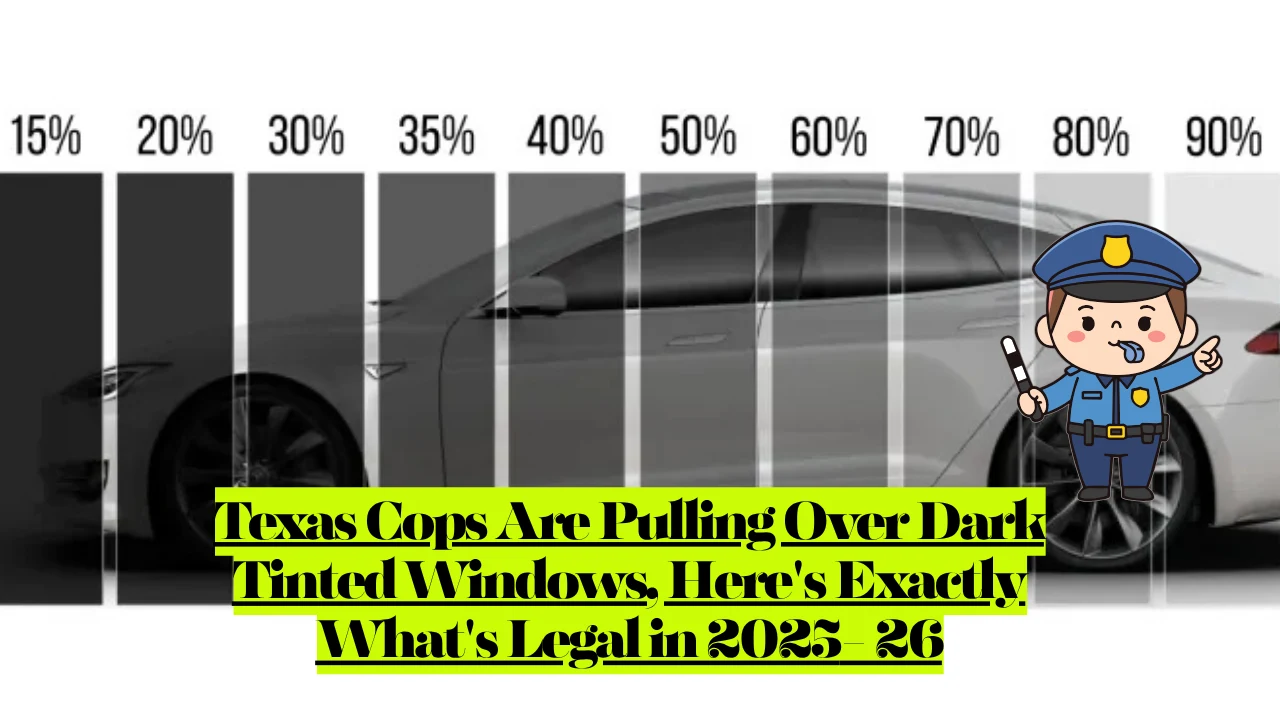
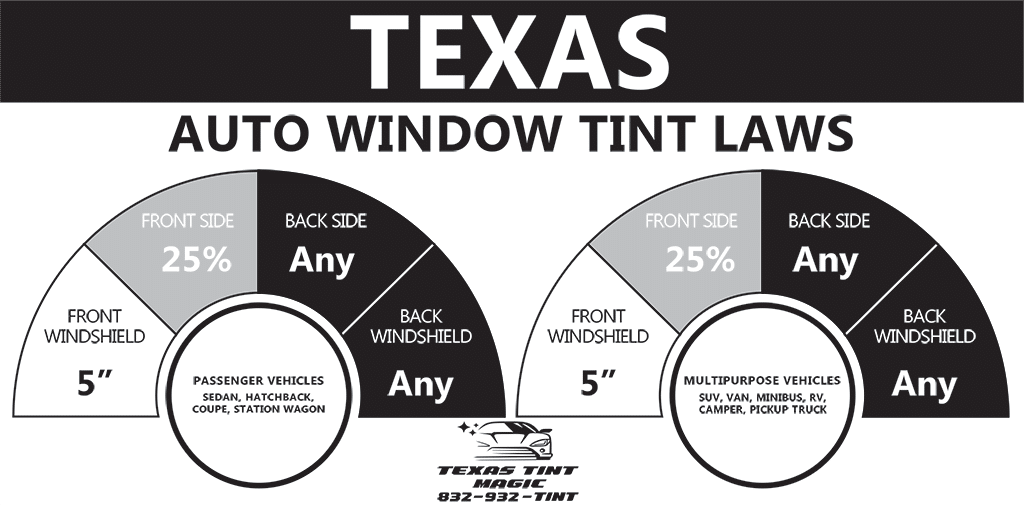
Window tint, spoiler size, and even the color of your paint job can fall under DOT regulations. Texas permits up to 25% light transmission on the front side windows, but the rear can be darker. Vinyl wraps are okay if they don’t obscure safety markings. And while a massive rear wing looks cool, it must not extend beyond the rear bumper’s vertical plane.
Common Mods That Raise Eyebrows
Here’s a quick sanity check for the most popular upgrades. If you’re unsure, a short visit to your local DMV or a chat with a certified mechanic can save you a lot of hassle.
- Aftermarket Exhaust Systems: Legal if they retain the catalytic converter and stay under the 80 dB noise limit measured at the rear of the vehicle.
- Window Tinting: Legal on rear windows and back glass; front windows must let at least 25% of light through.
- LED Lighting Kits: Interior LEDs are fine. Exterior LED strips must be concealed and not used as primary lighting.
- Engine Swaps: Allowed if the new engine matches the original’s emission rating and passes a state inspection.
- Custom Grilles/Masking: Legal as long as they don’t block the driver’s view or interfere with airflow to the radiator.
Tips for Staying on the Right Side of the Law
Even seasoned gearheads can slip up. These simple habits keep you cruising without a citation.
- Keep receipts and installation records. Documentation can be a lifesaver during an inspection.
- Before you buy, verify that the part is DOT‑approved or carries a TCEQ compliance tag.
- Schedule an annual safety inspection. It’s cheaper to catch a non‑compliant suspension component early than to pay a fine later.
- Join local forums or clubs. Community members often share the latest rulings and practical workarounds.
- When in doubt, call the Texas Department of Motor Vehicles (DMV) at 1‑800‑393‑4663 and ask specific questions.
What Happens If You’re Caught?
A traffic stop for an illegal mod usually ends with a citation, not a courtroom drama. Fines range from $100 for a minor lighting violation to $500 for emissions tampering. In severe cases—like a grossly altered exhaust that fails a state inspection—the vehicle may be deemed non‑operational until corrected.
Insurance companies also take note. An unapproved modification can void a policy or lead to higher premiums. The safest bet is to inform your insurer about any upgrades and provide proof of compliance.
Community Voices: Real‑World Experiences
“I swapped my stock muffler for a louder one, thinking ‘it’s just sound.’ The next day the officer gave me a ticket for exceeding the noise limit,” says Jake, a Dallas resident. After that, he switched to a CARB‑approved system and never looked back.
Maria from Austin shares a different lesson: “My rear windows were tinted too dark. I got pulled over, and the officer let me off with a warning because I showed the receipt for a new set of legal tint. It saved me a fine and a day at the shop.”
Bottom Line
Texas car culture thrives on individuality, but the state’s regulations exist to keep the roads safe and the air clean. By grounding your passion in a quick check of safety, emissions, and visual standards, you can enjoy a customized ride without the worry of tickets or insurance headaches. So fire up the engine, keep the paperwork handy, and let the road—and the law—be on your side.
![Home [firstlightcare.org]](http://firstlightcare.org/images/fl-imgs/community_focused.jpg)