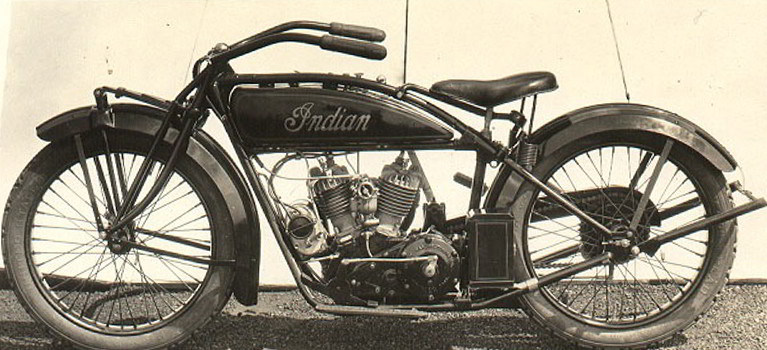
How the 1920 Indian Motorcycle Merged Speed with Performance
When you picture the roaring streets of the early 1920s, the silhouette of an Indian motorcycle is hard to miss. It wasn’t just a mode of transport; it was a statement of engineering daring, a blend of raw speed and refined craftsmanship that still turns heads among collectors today.
Roots of a Legend: The Birth of the 1920 Indian
Indian Motorcycles had already earned a reputation for durability by the end of World War I. The 1920 model, often dubbed the “Scout,” marked a shift from the heavyweight touring bikes that dominated the market. While the company kept some familiar features—like the iconic V‑twin engine—it trimmed excess weight and introduced a more agile frame.
Key design choices included:
- Lightweight steel tubing, hand‑shaped for optimal rigidity.
- A narrower 26‑inch front wheel that improved handling on cobblestone streets.
- Simplified carburetion, making the bike more responsive to throttle changes.
These tweaks weren’t just aesthetic; they set the stage for a motorcycle that could truly sprint.
Speed Metrics: What Did “Fast” Mean Back Then?
Measuring speed in 1920 was a far cry from today’s digital readouts. Riders relied on timed mile runs and occasional newspaper reports. The Scout’s V‑twin produced roughly 22 horsepower, propelling the bike to a top speed of about 65 mph on flat terrain—a respectable figure for a 600‑cc machine of its era.
In context, a typical commuter carriage struggled to break 30 mph. So, the Indian’s ability to double that figure gave it a competitive edge not just in races but also in the everyday hurry of urban life.
Performance Beyond the Numbers
Speed alone doesn’t paint the full picture. Riders praised the Scout for a smooth power band that delivered torque low in the rev range—perfect for climbing the hilly outskirts of cities like Detroit or Chicago. The bike’s suspension, a combination of a leather‑covered rear spring and a front girder fork, offered a surprisingly comfortable ride on the uneven roads that were commonplace.
Maintenance was another strong point. The engine’s push‑rod design meant fewer moving parts than contemporary overhead‑cam units, translating to easier field repairs. Many owners claimed a single oil change could keep the engine humming for several thousand miles.
Racing Pedigree
While not built explicitly for the board track circuits that captivated crowds in the 1920s, the Scout saw action in hill climbs and endurance rallies. In the 1920 Springfield Hillclimb, a rider named “Lightning” Louie managed a podium finish, proving that the motorcycle’s blend of speed and reliability could hold its own against purpose‑built racers.
Legacy: Why the 1920 Indian Still Matters
Fast forward a century, and the 1920 Indian remains a coveted classic. Its influence can be traced in modern bike design in several ways:
- Lightweight construction—today’s sportbikes still chase the balance of strength and minimal mass that Indian pioneered.
- V‑twin heritage—the unmistakable rumble of a V‑twin engine echoes the Scout’s soundtrack, a lineage celebrated by manufacturers like Harley‑Davidson.
- Customization culture—owners love swapping period‑correct parts with modern upgrades, a testament to the original’s modular engineering.
Collectors often note that the 1920 Scout holds its value better than many later models. Its rarity, combined with a story that intertwines speed, history, and performance, makes it a centerpiece in museum displays and private garages alike.
What to Look for When Buying a Restored 1920 Indian
Finding an authentic piece can feel like treasure hunting. Here are a few tips to keep in mind:
- Frame integrity: Look for original rolled‑and‑welded tubing without modern replacements.
- Engine marks: Original casting numbers and a clean bore indicate factory authenticity.
- Documentation: A provenance paper trail, even if just a period newspaper ad, adds credibility.
Even with meticulous restoration, a subtle patina often adds character—something many enthusiasts argue is more valuable than a flawless shine.
Final Thoughts on Speed, History, and Performance
The 1920 Indian Motorcycle isn’t just a footnote in two‑wheel history; it’s a vivid example of how engineering ambition can intertwine speed, heritage, and lasting performance. Whether you’re a rider chasing the open road, a collector seeking a story, or simply a fan of automotive evolution, the Scout offers a tangible link to an era when every mile felt like a daring adventure.