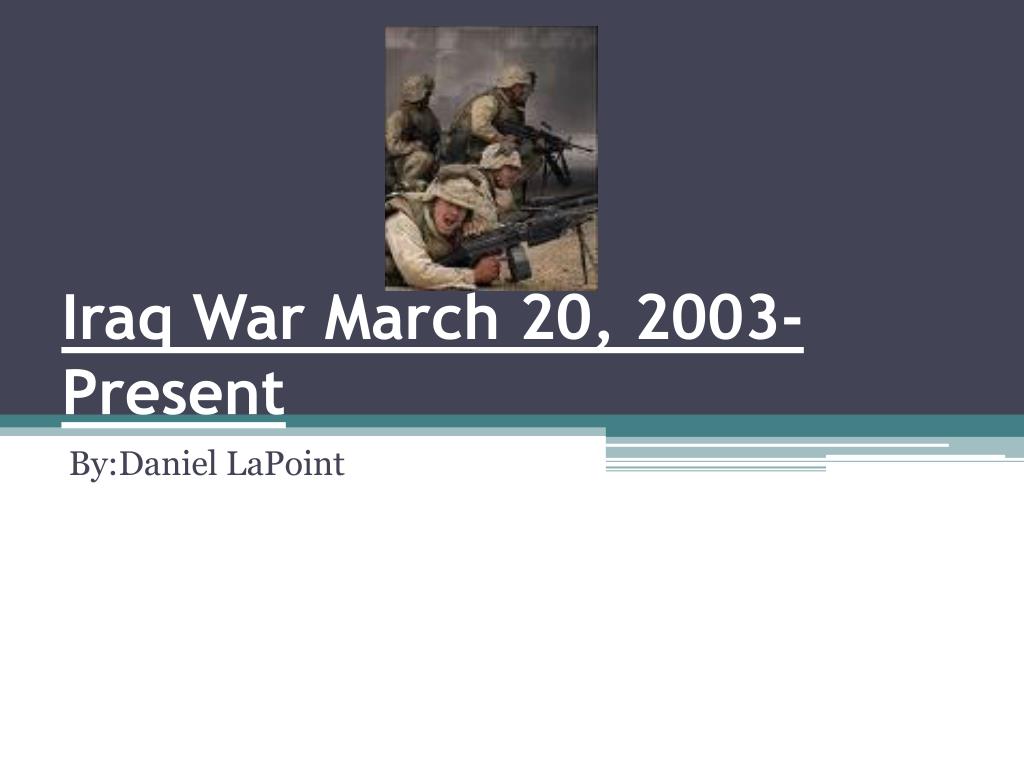
How the 2003 Iraq War Unfolded: A Detailed Overview
When the U.S.-led coalition launched its invasion of Iraq in March 2003, the world braced for a conflict that would reshape politics, economics, and daily life across the Middle East. More than two decades later, the war’s ripple effects are still felt—in Baghdad’s streets, in Washington’s policy rooms, and in the narratives that shape global security debates. This article walks through the key phases, motivations, and outcomes of the 2003 Iraq War, giving you a clear picture without drowning in jargon.
Why the Invasion Began
The decision to topple Saddam Hussein rested on a mix of security concerns, political calculations, and ideological convictions. Below are the main justifications put forward by the Bush administration and its allies:
- Weapons of mass destruction (WMDs): U.S. officials claimed Iraq possessed active programs for chemical, biological, and possibly nuclear weapons.
- Links to terrorism: In the wake of 9/11, Iraq was portrayed as a possible sponsor of al‑Qaeda, even though concrete evidence was thin.
- Regime change agenda: Removing a dictatorial leader was seen as a chance to foster democracy in the Arab world.
- Strategic interests: Control over oil resources and regional influence added a geopolitical layer to the decision.
These arguments, amplified by a fierce media campaign, paved the way for congressional authorization and the formation of a multinational coalition.
Timeline of the Main Combat Phases
1. The “Shock and Awe” Campaign (March 20‑28, 2003)
Within the first 48 hours, the coalition unleashed a relentless aerial bombardment aimed at crippling Iraqi command‑and‑control structures. Massive precision strikes targeted air defenses, communication hubs, and key government buildings. The intent was clear: overwhelm Saddam’s forces before they could mount an organized defense.
2. Ground Invasion and Rapid Advance (March 31‑April 9, 2003)
U.S. forces entered from the south, while British troops pushed north from Kuwait. The “march to Baghdad” was surprisingly swift—by April 9, coalition troops had entered the Iraqi capital, and the iconic image of a toppled statue of Saddam’s book of poems symbolized the regime’s collapse.
3. Occupation and Insurgency (2003‑2006)
Even after the official “major combat operations” ended, a complex insurgency emerged. Former Ba’athist loyalists, nationalist groups, and foreign fighters launched guerrilla attacks, suicide bombings, and sectarian clashes. The security vacuum highlighted the challenges of nation‑building and underscored the limits of conventional military success.
Key Players and Their Roles
- The United States: Provided the bulk of troops, air power, and logistical support.
- The United Kingdom: Led the “Multi‑National Force – Iraq” in the south, contributing significant ground forces.
- Coalition Partners: Australia, Poland, Spain, and several Arab states offered troops or political backing.
- Iraqi Opposition: Various groups—ranging from the Kurdish Peshmerga in the north to the Shia Mahdi Army in the south—filled the power void and often clashed with each other.
Human and Economic Costs
Estimating casualties remains a challenge, but credible sources suggest:
- Over 4,400 coalition soldiers killed, with thousands more wounded.
- Estimates of Iraqi civilian deaths vary widely, from 100,000 to over 500,000, reflecting the war’s devastating impact on ordinary life.
- Infrastructure damage—roads, hospitals, schools—ran into billions of dollars, hampering reconstruction efforts for years.
Beyond the immediate toll, the war strained U.S. federal budgets, contributed to long‑term veterans’ health issues, and altered global oil markets.
Political Aftermath
In Baghdad, the initial post‑Saddam period saw the rise of a provisional authority, followed by elections in 2005 that produced a fragile, sectarian‑laden government. Iraq’s political landscape continues to be defined by power‑sharing arrangements among Shia, Sunni, and Kurdish parties, often resulting in stalemates and protests.
Internationally, the war’s credibility suffered a blow when exhaustive WMD searches produced no evidence of active programs. This revelation fueled skepticism toward future intelligence claims and reshaped diplomatic norms.
Lessons for Future Conflict Planning
- Intelligence must be rigorously vetted. Overreliance on uncorroborated sources can skew policy decisions.
- Post‑conflict stabilization requires more than military might. Robust governance structures, economic development, and community reconciliation are essential.
- Regional dynamics matter. Ignoring neighboring countries’ interests can fuel unintended spillovers.
Why the 2003 Iraq War Still Matters
From a strategic standpoint, the conflict set a precedent for pre‑emptive action—a doctrine still debated in security circles. Socially, the war ignited waves of displacement, creating refugee communities that have reshaped demographics across Europe and the Middle East. Culturally, the images of Baghdad’s streets, the narratives of veterans, and the ongoing debates over accountability continue to influence public discourse.
Understanding the 2003 Iraq War isn’t just about recalling a historic event; it’s about grasping the complex interplay of politics, warfare, and human resilience that still echoes in today’s geopolitics.