How the 2024 Adaptation Gap Report Shapes Climate Action
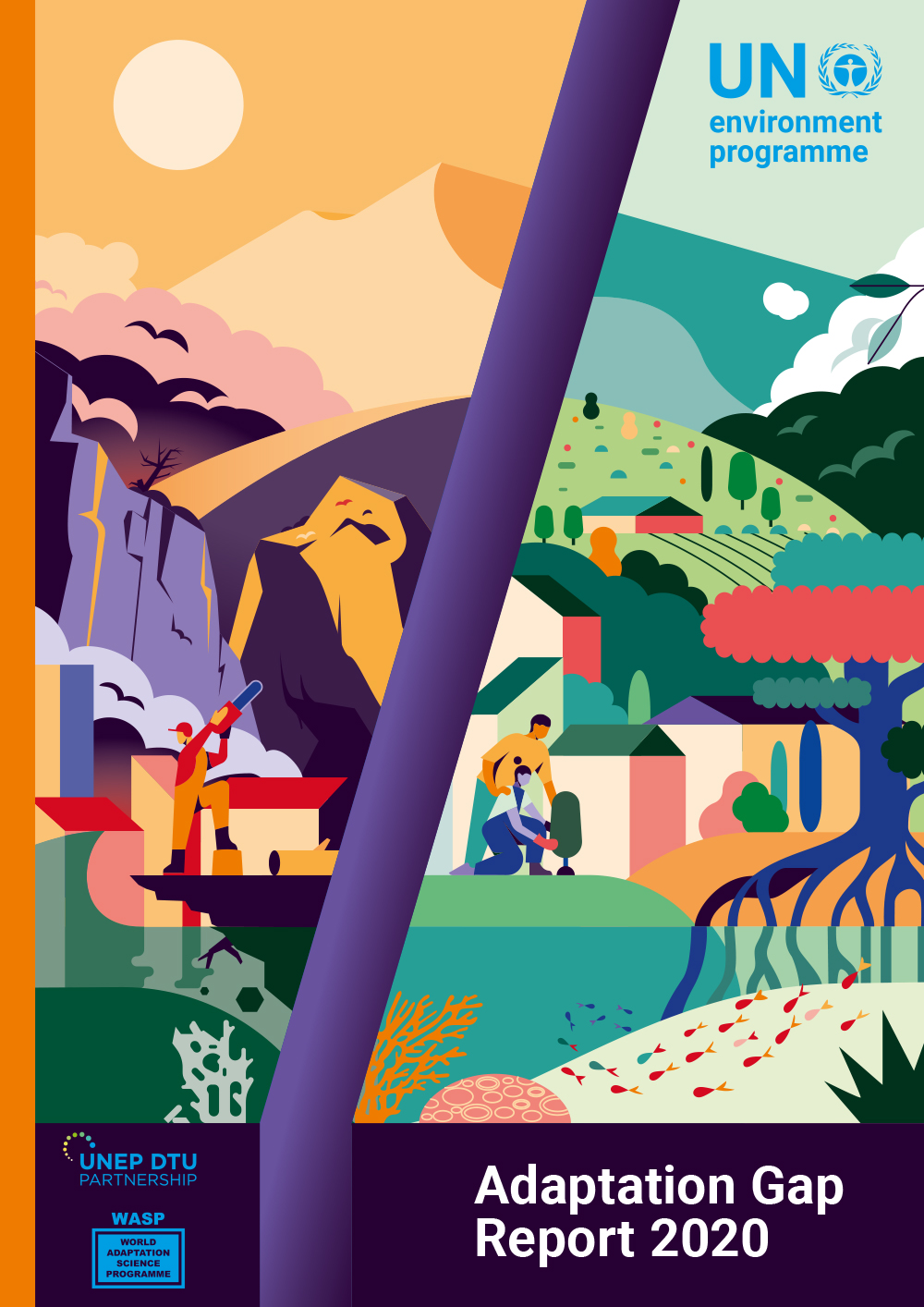
The 2024 Adaptation Gap Report has landed, and its findings are already sparking conversation among policymakers, NGOs, and businesses alike. While the headline numbers grab attention, the real value lies in the nuanced themes that emerge when you dig into the data. Below, we break down the report’s most compelling insights and explore what they could mean for climate‑resilience strategies worldwide.
Why the Report Matters
At its core, the Adaptation Gap Report gauges how well nations are closing the distance between existing climate risks and the actions needed to manage them. It does this by comparing projected impacts—like sea‑level rise, extreme heat, and flood frequency—against the financial, institutional, and technical resources each country has in place.
In 2024, the gap widened in several key sectors, suggesting that current investment trajectories are insufficient to meet the escalating threats identified in the latest IPCC assessments. For anyone involved in climate planning, the report serves as both a reality check and a roadmap for where to focus effort next.
Key Themes Emerging from the Data
1. Funding Shortfalls Remain Deep and Uneven
- Global shortfall: The report estimates a US$250 billion annual shortfall in adaptation financing for the next decade.
- Regional disparities: Low‑income countries in Africa and South Asia account for over 60 % of the unmet need, while high‑income nations have largely met their own targets.
- Private sector lag: Private capital contributed just 12 % of total adaptation finance, down from 15 % in 2022.
These numbers hint at a growing reliance on public funds, but also underscore the untapped potential of blended finance mechanisms that could mobilize private capital more effectively.
2. Governance Gaps Undermine Implementation
Even where funds are earmarked, many countries struggle with coordination between ministries, local authorities, and civil‑society actors. The report highlights three recurring governance challenges:
- Fragmented policy frameworks that lead to duplicate efforts.
- Limited data sharing across agencies, hampering risk assessments.
- Inadequate monitoring and evaluation, making it hard to track progress.
Addressing these issues may require establishing dedicated adaptation units within governments—something that has proven successful in a handful of pilot nations.
3. Technology Transfer Is Stalled
Innovation is often touted as the silver bullet for climate resilience, yet the 2024 report shows a slowdown in technology uptake, especially in the agricultural sector. Barriers include high upfront costs, lack of local expertise, and regulatory uncertainties.
However, there are bright spots: coastal communities in the Pacific are experimenting with low‑cost mangrove restoration kits, and several African cities are piloting solar‑powered water‑pumping systems that could be scaled with the right support.
4. Social Inequities Amplify Vulnerability
Adaptation is not just a technical exercise; it’s deeply social. The report reveals that marginalized groups—indigenous peoples, women, and low‑income households—continue to face disproportionate exposure to climate hazards.
When adaptation projects fail to incorporate local knowledge and participatory planning, they often miss the mark, leading to “resilience traps” where communities become even more dependent on external aid.
What Decision‑Makers Can Take Away
Translating the report’s findings into action requires a blend of strategic investment and policy reform. Here are a few practical steps that can bridge the adaptation gap:
- Scale blended finance: Combine public guarantees with private equity to reduce risk and attract more investors.
- Strengthen institutional coordination: Create inter‑ministerial task forces with clear mandates and shared data platforms.
- Prioritize community‑led solutions: Allocate a portion of adaptation budgets to projects designed and managed by local groups.
- Incentivize low‑carbon technologies: Offer tax breaks or subsidies for climate‑smart infrastructure that also cuts emissions.
These actions aren’t silver bullets, but they move the needle in the right direction, especially when combined with robust monitoring frameworks that keep projects accountable.
Looking Ahead: Trends to Watch in 2025 and Beyond
While the 2024 Adaptation Gap Report paints a sobering picture, it also hints at emerging opportunities. Two trends stand out:
- Nature‑based solutions: Growing evidence that restoring ecosystems can provide cost‑effective buffers against floods and heatwaves.
- Digital risk mapping: Advances in satellite imaging and AI are making it easier to identify vulnerable hotspots in real time.
If governments and investors can harness these developments early, the adaptation gap could begin to shrink rather than widen.