How the Chinese Warlord Era Still Echoes in Today’s China
The period between the fall of the Qing dynasty in 1912 and the consolidation of power by the Nationalist government in the late 1920s is often portrayed as a chaotic mosaic of armies, shifting alliances, and regional strongmen. Yet, beyond the gunfire and the constantly redrawn borders, this “Warlord Era” planted seeds that would later sprout in the political, economic, and cultural landscape of modern China. Let’s wander through the key moments, the personalities that defined the time, and the lingering footprints they left behind.
Why the Era Unfolded: A Quick Context
When the imperial system collapsed, a power vacuum emerged. The newly minted Republic of China lacked a strong central authority, and regional military commanders—often former Qing officers—seized the chance to fill the void. Their ambitions were as varied as the provinces they controlled, ranging from genuine nationalism to personal enrichment.
- Fragmented governance: Provincial governors could levy taxes, recruit troops, and even mint their own currency.
- Foreign pressure: Japan, Britain, and other powers capitalized on the instability to secure concessions.
- Ideological ferment: Communism, monarchism, and early forms of democracy all vied for influence.
Major Players and Their Zones
Yuan Shikai – The Reluctant Emperor
Yuan’s brief attempt to proclaim himself emperor in 1915 set a tone of opportunism. Though his reign lasted merely months, it demonstrated how quickly the notion of “legitimate rule” could be reshaped.
Chiang Kai-shek’s Predecessors
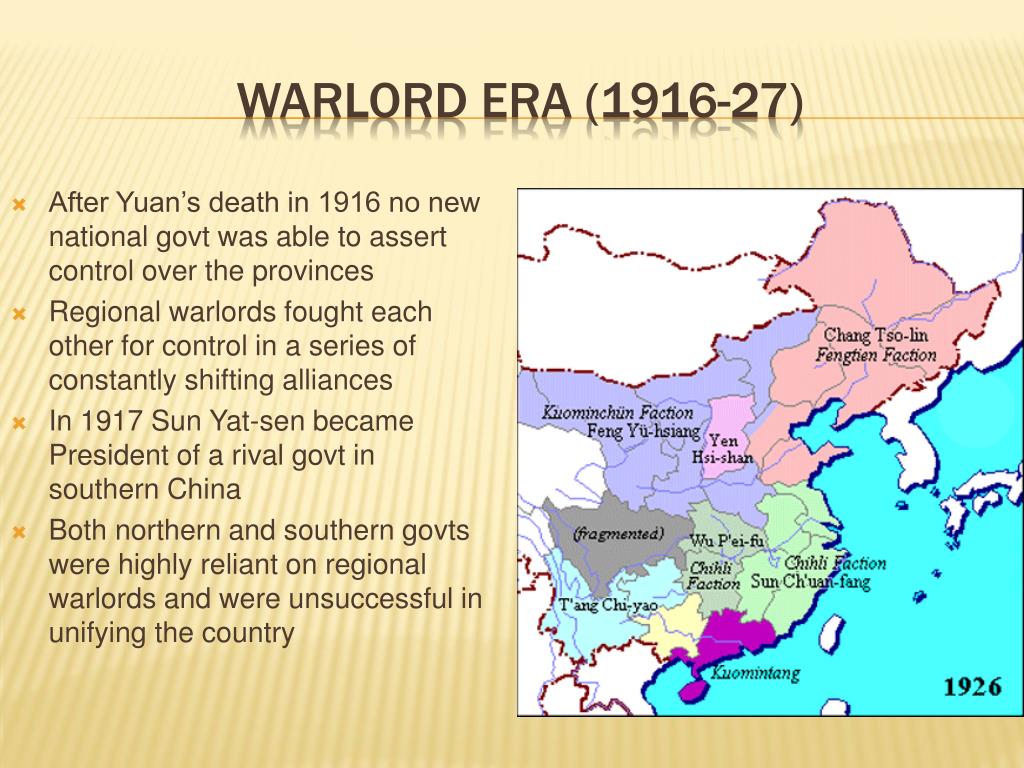
Before Chiang’s rise, figures like Wu Peifu in the central plains and Sun Yat-sen in the south jostled for dominance. Their rivalries often turned cities into battlegrounds, forcing civilians to adapt to ever‑changing tax regimes and curfews.
The Northern Warlords
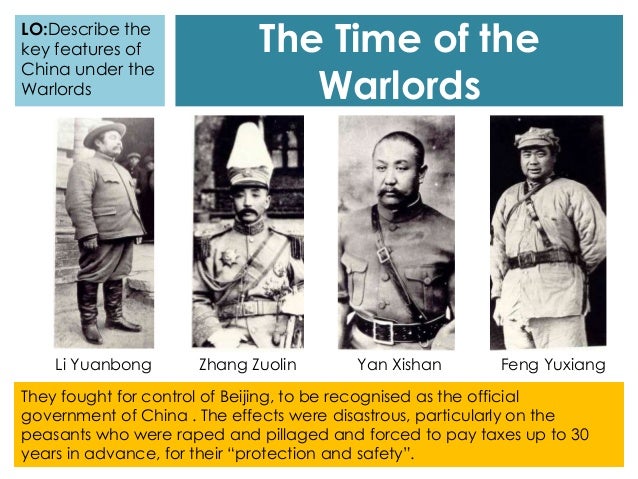
Men such as Feng Yuxiang (the “Christian General”) and Zhang Zuolin (the “Old Marshal”) controlled swaths of Manchuria and the North, respectively. Their armies were less cohesive than modern forces, relying heavily on personal loyalty rather than strict doctrine.
Economic Consequences: From Inflation to Infrastructure
One of the most tangible legacies of the era lies in its economic turbulence. With each warlord printing money to fund campaigns, hyperinflation became a daily reality in many cities. Yet, paradoxically, some regions experienced a surge in local industry as warlords sought to make their territories self‑sufficient.
- Railway construction accelerated in areas where warlords wanted to move troops quickly.
- Local banks emerged to replace the unreliable central financial system.
- Merchants learned to hedge against currency devaluation, a skill that later benefited China’s export boom.
Social Fabric: Resilience Amid Uncertainty
Ordinary people learned to navigate a landscape where allegiance could flip overnight. Traditional village councils regained importance as mediators between competing armies, while secret societies—such as the Green Gang—found fertile ground to expand their networks.
Education also suffered, but the chaos sparked a wave of private tutoring houses and missionary schools, planting a thirst for modern knowledge that would later fuel reform movements.
Political Lessons for the Future
The warlord scramble forced Chinese intellectuals to confront a stark question: How could a fragmented nation ever become unified? The answer, they argued, lay in either a strong central party or a radical restructuring of societal bonds.
- Nationalist solution: The Kuomintang (KMT) eventually pursued a campaign of “Northern Expedition” to subdue the warlords, emphasizing a single‑party state.
- Communist alternative: The Chinese Communist Party (CCP) learned the importance of rural mobilization, a tactic that proved decisive during the later civil war.
Echoes in Contemporary China
While the guns have long been silenced, the era’s imprint lingers:
- Regionalism: Modern provinces still display varying degrees of fiscal autonomy, a relic of the warlords’ independent tax systems.
- Infrastructure focus: The emphasis on railways and roads during the warlord period set a precedent for today’s massive high‑speed network expansions.
- Military professionalism: The chaotic command structures of the 1920s drove later reformers to prioritize standardized training and central command—a principle that underpins today’s People’s Liberation Army.
Lessons for Today's Readers
Understanding the Warlord Era isn’t just an academic exercise; it offers a lens through which to view current debates on central authority versus regional autonomy. It also reminds us that periods of turmoil can inadvertently spark innovations—whether in logistics, finance, or social organization.
So the next time you glimpse a high‑speed train streaking across a Chinese landscape, consider that its tracks may trace routes first laid down by generals who, in their own way, were trying to keep their slices of the country moving forward.