How the Recaro Seats Transform the Golf 7 GTI Clubsport
Why Recaro? The Design Philosophy Behind the Upgrade
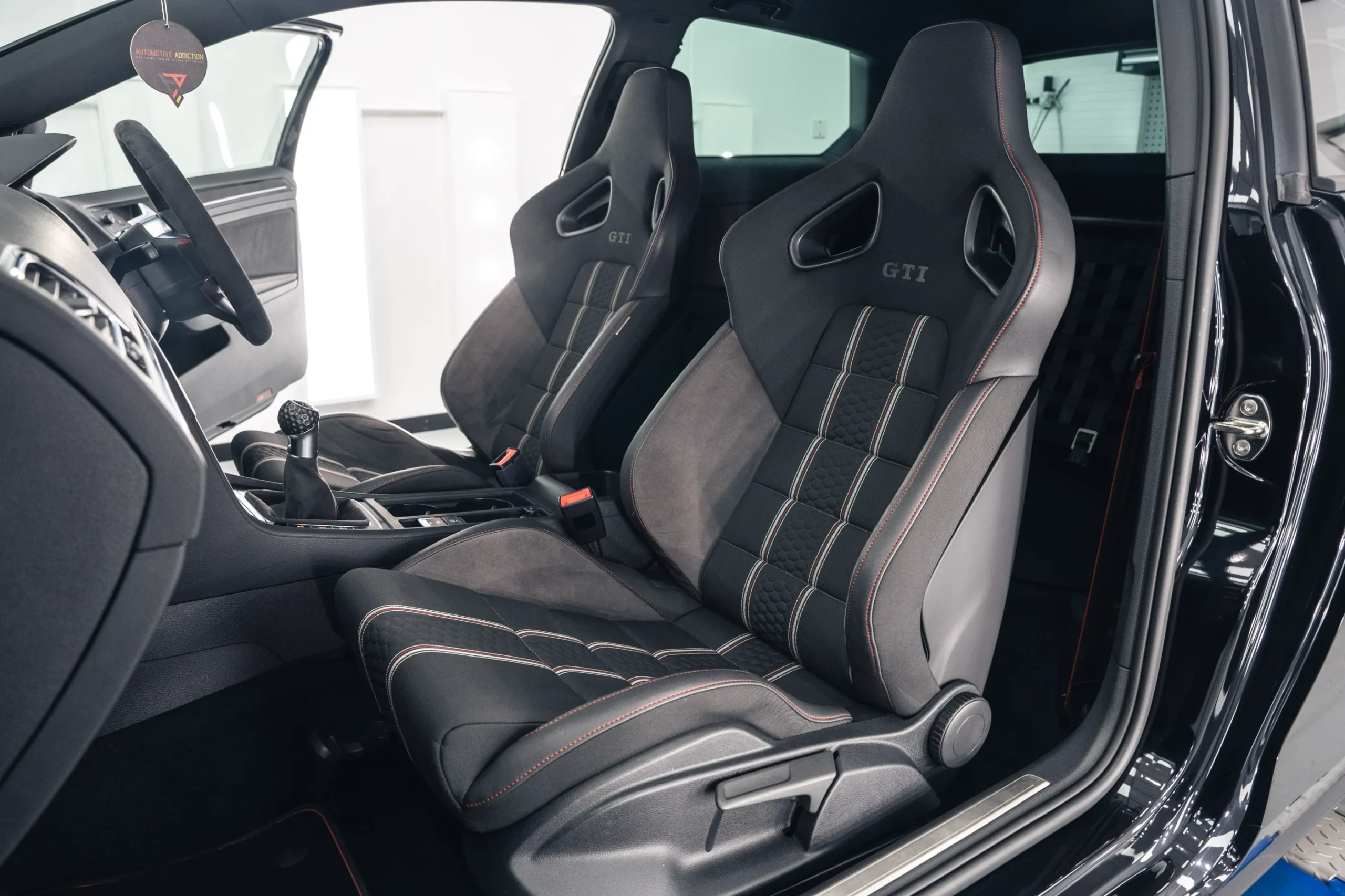
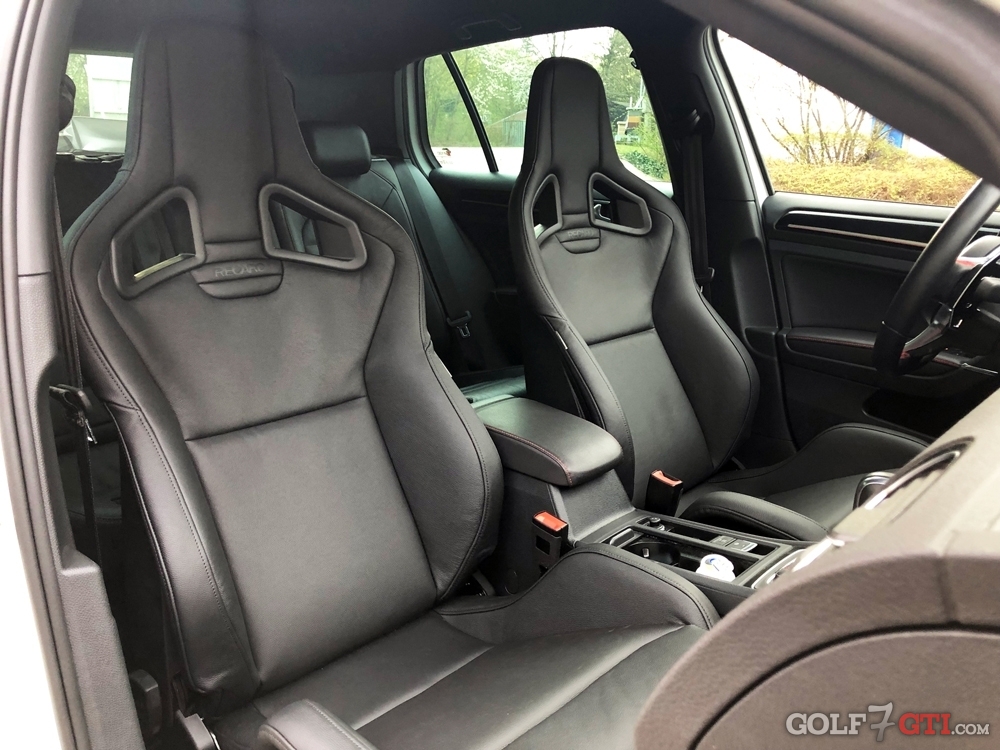
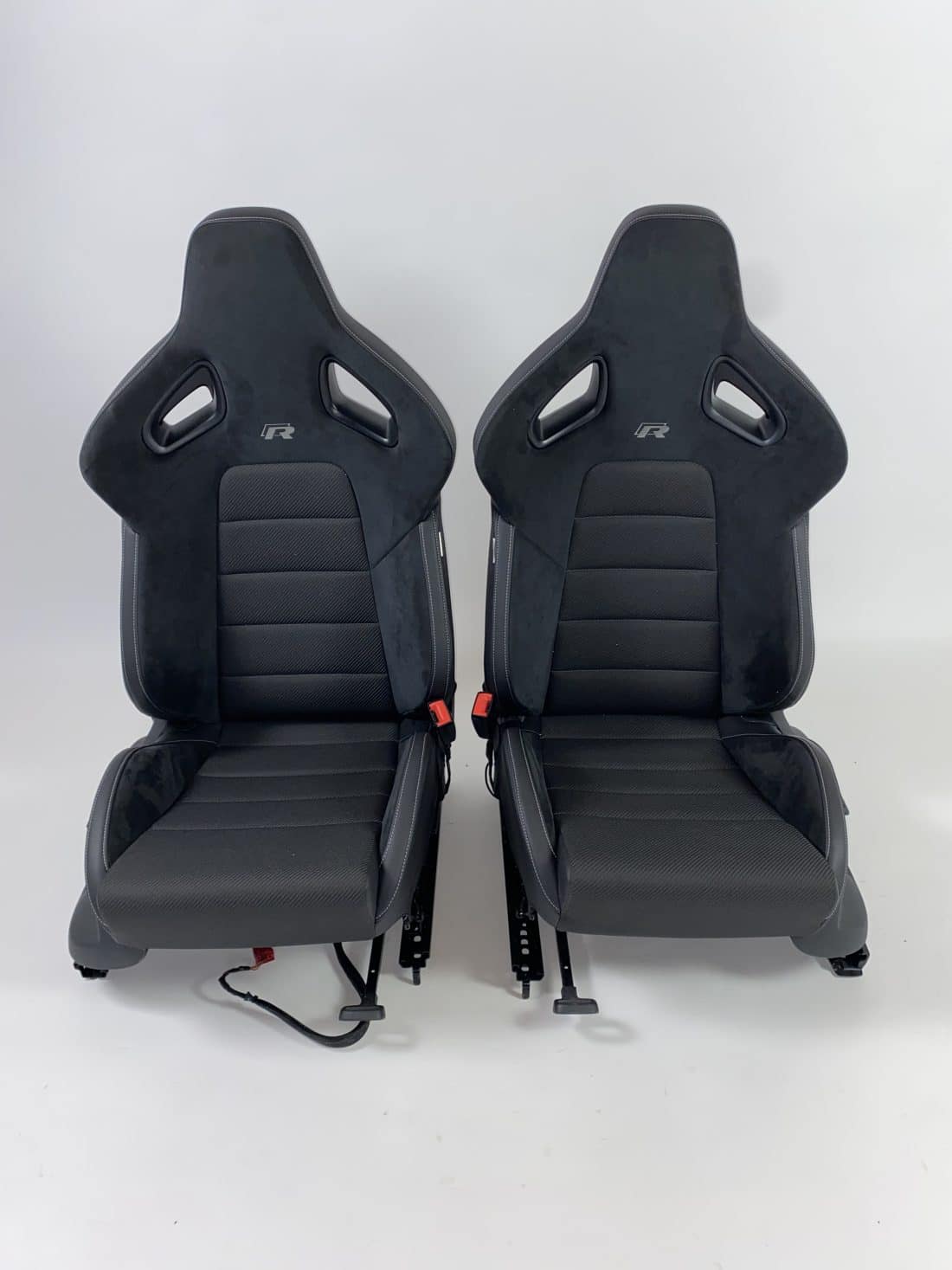
Recaro isn’t just a name you see on racing‑car photos; it’s a brand that has spent decades fine‑tuning the balance between support and comfort. When Volkswagen introduced the Golf 7 GTI Clubsport, the chassis already sang with agility, but the stock seats felt a little generic for enthusiasts craving a cockpit that feels as purposeful as the engine.
The factory‑installed seats prioritize everyday ergonomics, which is great for commuters. Recaro, on the other hand, designs every contour to keep the driver locked in during high‑g cornering while still offering enough padding for a long highway stretch. The result is a seat that looks aggressive, feels purposeful, and adds a touch of motorsport credibility to the interior.
Installation Experience: What to Expect
Swapping the original upholstery for Recaro isn’t a weekend DIY for the faint‑hearted, but it’s far from a professional‑shop‑only job either. Here’s a quick rundown of the steps most owners report:
- Remove the factory bolts and disconnect the seat‑belt pretensioners.
- Slide the old seat out of the mounting rails – a bit of wiggling is normal.
- Attach the Recaro brackets (usually supplied with the kit) to the rails.
- Secure the new seat, reconnect the electrical harnesses, and torque the bolts to the manufacturer’s specification.
Most people finish the whole process in 2‑3 hours, assuming they have basic hand tools and a buddy to hold the seat while bolting it down. The biggest surprise? The Recaro seat is slightly heavier, so the car’s center of gravity shifts a few millimetres lower—a subtle benefit for handling.
Comfort and Support on the Road
First impressions matter, and the Recaro’s bolstered side bolsters are impossible to miss. They hug the hips and thighs, giving a sense of “being held” that the stock seat simply can’t match. On a twisty backroad, the driver feels noticeably steadier; on a straight‑line commute, the cushioning still feels plush enough not to become a pain point.
Questions often arise about the seat’s suitability for taller drivers. The Recaro offers a wider range of adjustments—incline, height, lumbar support—so you can customize the fit without feeling cramped. That said, the seat’s contour is deeper, which may require a slight shift in seat‑position for those used to the shallower factory design.
Key Comfort Features
- Integrated lumbar support: adjustable via a small dial on the side.
- Side‑bolster stiffness: selectable from “comfort” to “track” mode on many models.
- High‑density foam: maintains shape even after years of aggressive driving.
Impact on Driving Dynamics
It’s easy to claim a seat change is “just aesthetics,” but the truth is a bit more nuanced. By anchoring the driver more firmly, Recaro reduces body roll inside the cabin, allowing the driver’s inputs to translate more directly to the steering wheel. In blind‑spot tests, owners notice a marginally quicker reaction time when swapping lanes—likely because they’re less distracted by sliding around in the seat.
Weight distribution also plays a role. The added mass low down helps the car’s front‑end feel more planted, especially during hard braking. While the difference is not as dramatic as a suspension upgrade, it’s a pleasant, almost subliminal improvement that seasoned drivers appreciate.
Maintenance Tips to Keep Them Looking Fresh
Recaro’s leather‑trimmed options are beautiful, but beauty requires a bit of upkeep. Here are some practical pointers:
- Wipe down the surface with a damp microfiber cloth after each rainy drive.
- Apply a leather conditioner every 3‑4 months to prevent drying cracks.
- Avoid harsh chemicals; a mild pH‑neutral soap works best.
- Check the mounting bolts periodically—vibration can loosen them over time.
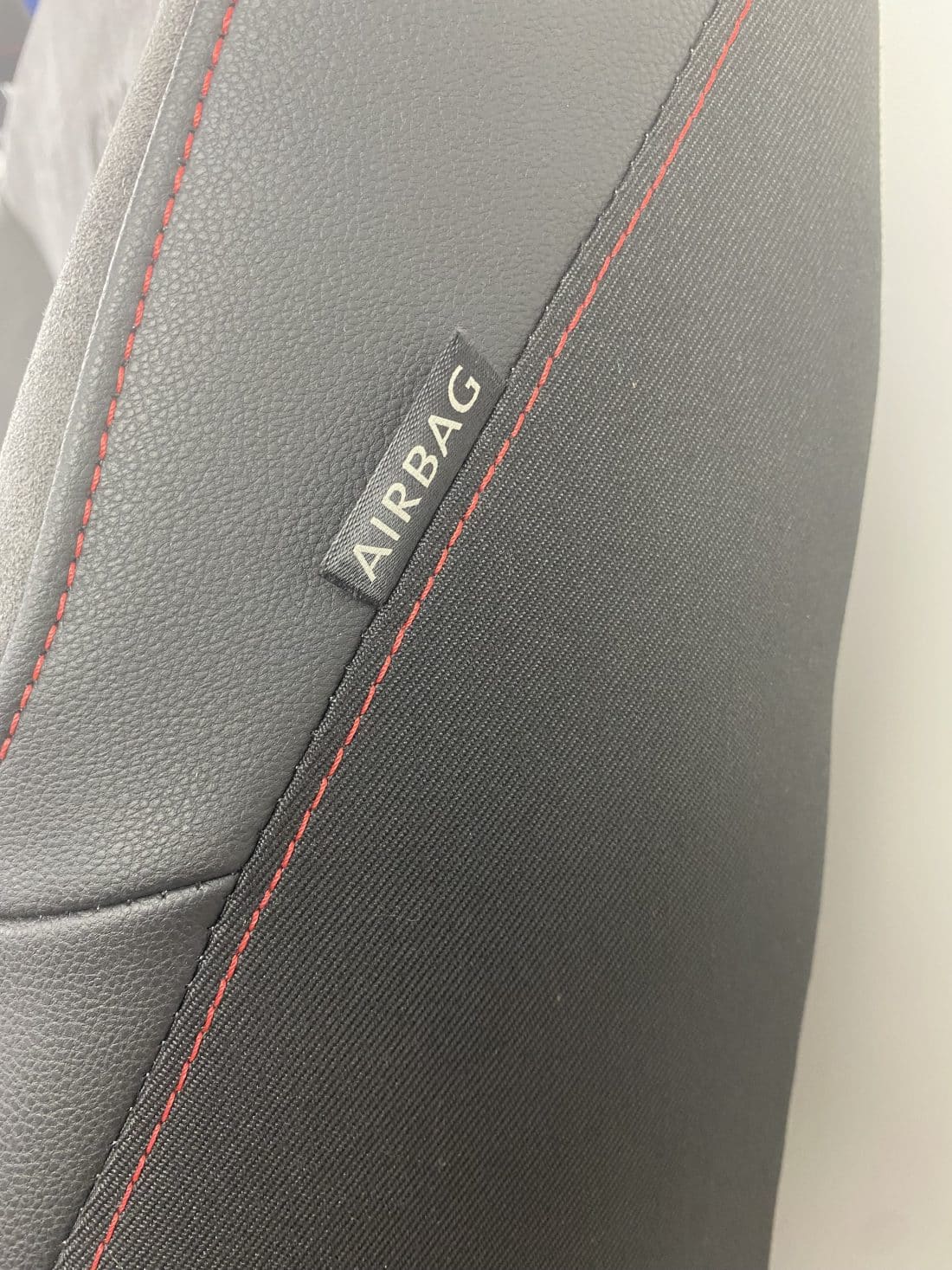
Following these simple steps ensures the seats stay supple and the stitching remains crisp for years to come.
Is It Worth the Investment?
Pricing varies by market, but most kits sit in the mid‑four‑figure range, including installation. For a Golf 7 GTI Clubsport owner who spends a lot of time behind the wheel—whether on weekend track days or daily commutes—the added comfort, improved driver feedback, and upscale feel often justify the cost.
If you’re a casual driver who barely notices the factory seats, you might find the upgrade unnecessary. Conversely, if you’ve ever dreamed of turning your hatchback into a true driver’s machine, the Recaro swap is a tangible step toward that goal.