How the Russian Twist Can Transform Your Core Strength
When it comes to building a solid midsection, the Russian twist often slips under the radar. Yet, tucked between sit‑ups and bicycle crunches, it packs a surprisingly versatile punch. Below we’ll explore why this rotational move deserves a permanent spot in your routine, how to perform it safely, and a few tweaks that keep the exercise fresh.
Why Rotation Matters for a Balanced Core
Most traditional core work focuses on flexion—think crunches that curl the torso forward. While those movements strengthen the rectus abdominis, they don’t address the obliques or the deeper stabilizers that keep you upright during everyday tasks. The Russian twist introduces a controlled rotation, forcing the side muscles, transverse abdominis, and lower back to cooperate.
Here’s what you gain:
- Improved functional strength for activities that involve twisting, like turning a steering wheel or swinging a racket.
- Enhanced spinal stability that reduces the risk of lower‑back strain.
- Better posture as the obliques help keep the pelvis aligned.
Mastering the Classic Russian Twist
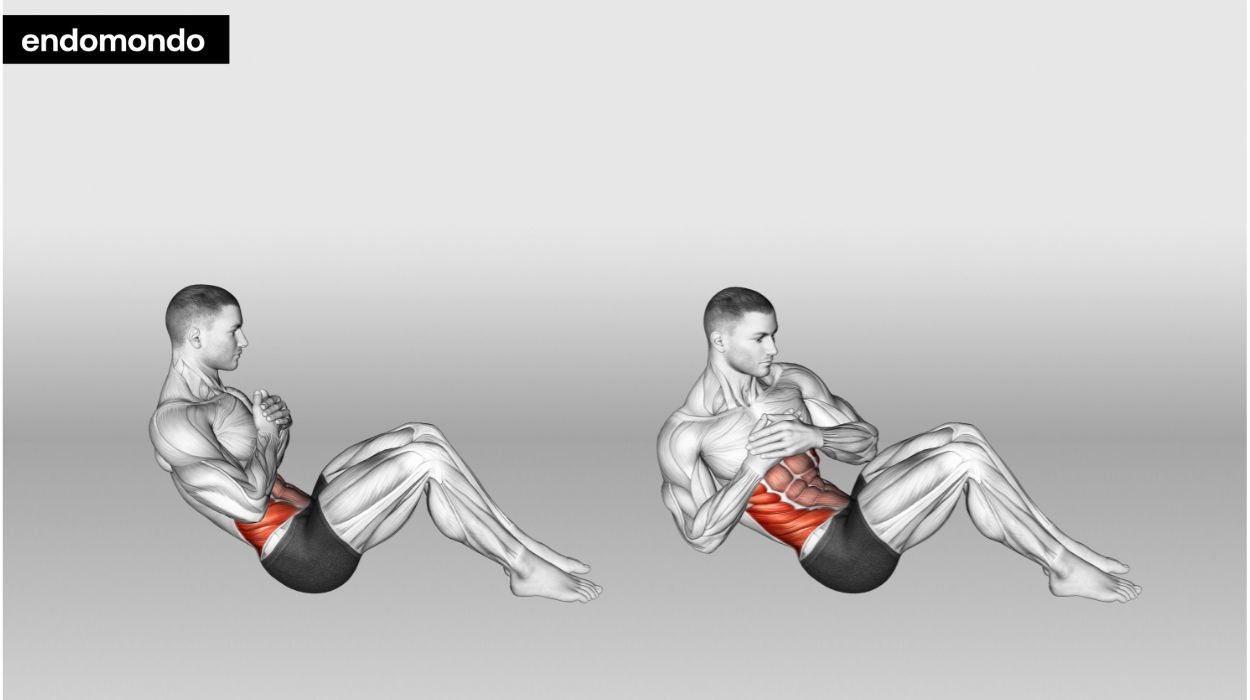
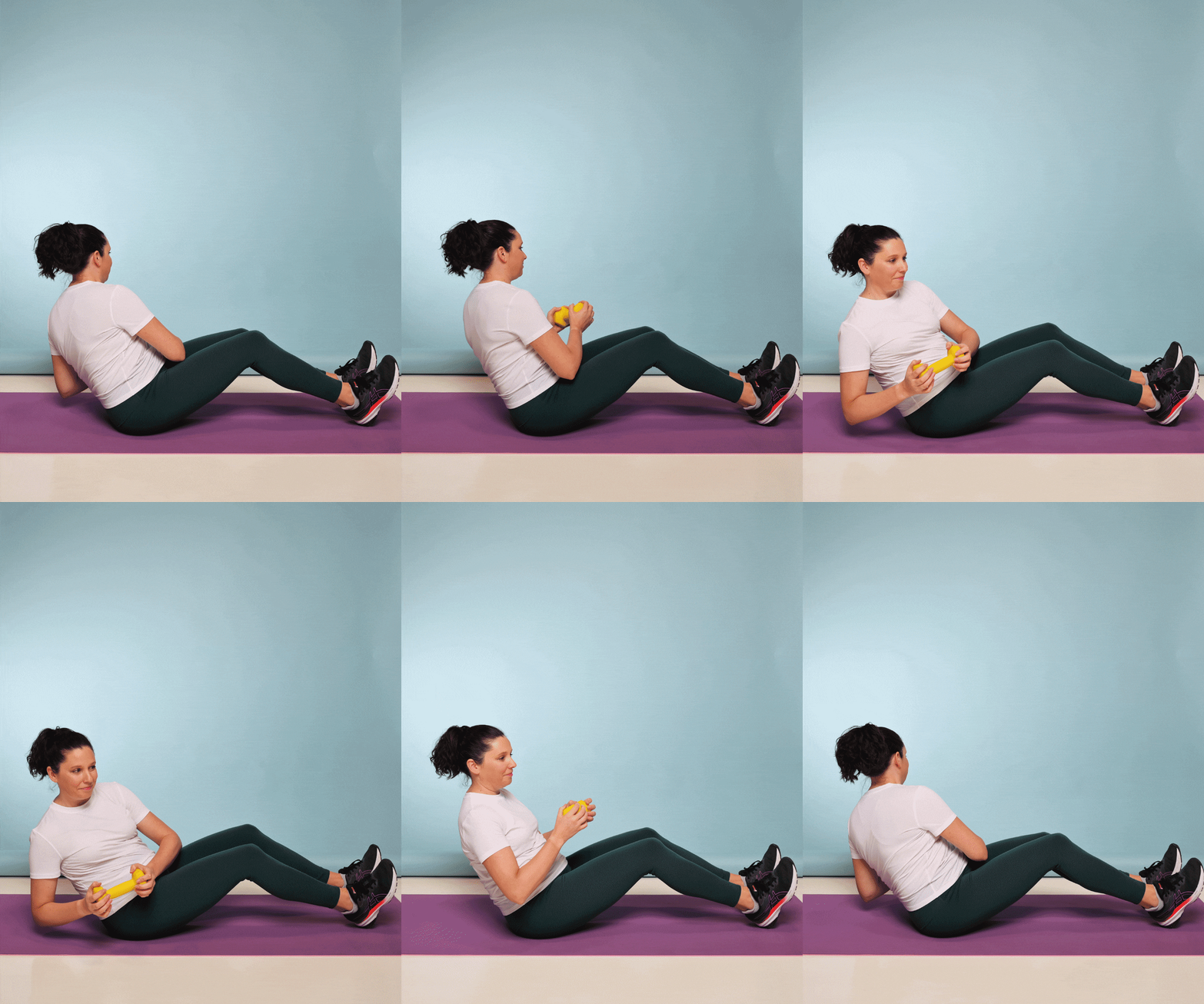
Before you add weight or fancy variations, nail the basics. Follow these steps:
- Sit on the floor with knees bent and feet flat, hip‑width apart.
- Lean back slightly so your torso forms a V‑shape with your thighs; keep your spine neutral.
- Clasp your hands together (or hold a light object) and rotate your shoulders to the right, touching the floor beside your hip.
- Return to center, then twist to the left. That’s one rep.
Key cues:
- Engage the core before you move—imagine pulling your belly button toward your spine.
- Don’t let the lower back arch excessively; a slight “chair‑sitting” posture protects the lumbar region.
- Control the motion; avoid using momentum to swing the torso.
Common Mistakes and How to Fix Them
Even seasoned gym‑goers slip up. Spot these pitfalls and correct them on the fly.
Too Much Hip Lift
If your hips rise off the floor, the exercise shifts from a core challenge to a hip‑driven motion. Lower your hands or reduce the angle of the lean until you can keep the pelvis grounded.
Rushing the Reps
Speed feels impressive, but it sacrifices muscle activation. Slow the tempo to 2‑seconds per side and focus on the squeeze at the end of each twist.
Neglecting the Breath
Exhale as you twist, inhale as you return to center. This rhythm stabilizes the torso and prevents unnecessary tension.
Elevating the Move: Adding Load and Variations
Once the form feels natural, sprinkle in progressions to keep the stimulus fresh.
- Weighted Twist: Hold a medicine ball, dumbbell, or kettlebell. Start light—5‑10 lb—and increase gradually.
- Feet Elevated: Lift the heels a few inches off the ground. This forces the core to work harder for balance.
- Slow‑Count: Perform a 3‑second pause at the apex of each side, then a 3‑second return. Time under tension spikes.
- Band‑Resisted Twist: Anchor a resistance band to a stable point, hold the other end, and twist away from the anchor.
Mix and match—one session might feature a weighted twist, the next a band‑resisted version. Variety shaves boredom and encourages continual adaptation.
Integrating Russian Twists Into a Full‑Body Routine
Because the move engages more than just the abs, it slots nicely between strength blocks.
Sample circuit (repeat 3×):
- 10 goblet squats
- 12 push‑ups
- 15 Russian twists (bodyweight)
- 30‑second plank
The brief pause after the twists lets the core recover while you transition to the plank—an efficient way to keep heart rate up and maximize calorie burn.
When to Scale Back
Not every day is a “go heavy” day. On fatigue or after a lower‑back flare‑up, consider these lighter alternatives:
- Seated torso twists without any weight, focusing purely on form.
- Standing cable rotations, which offer support through the legs.
- Supine knee‑to‑elbow marches, a gentler way to engage the obliques.
Listening to your body prevents overuse injuries and keeps the Russian twist a sustainable tool rather than a fleeting fad.
Bottom Line
We’ve all chased the “six‑pack” myth, but true core strength hinges on rotational stability. The Russian twist bridges that gap, delivering functional power, spinal support, and a modest cardio boost when done in circuits. Master the basics, respect form, and then experiment with weight, tempo, or band resistance. Your midsection—and the everyday movements it powers—will thank you.