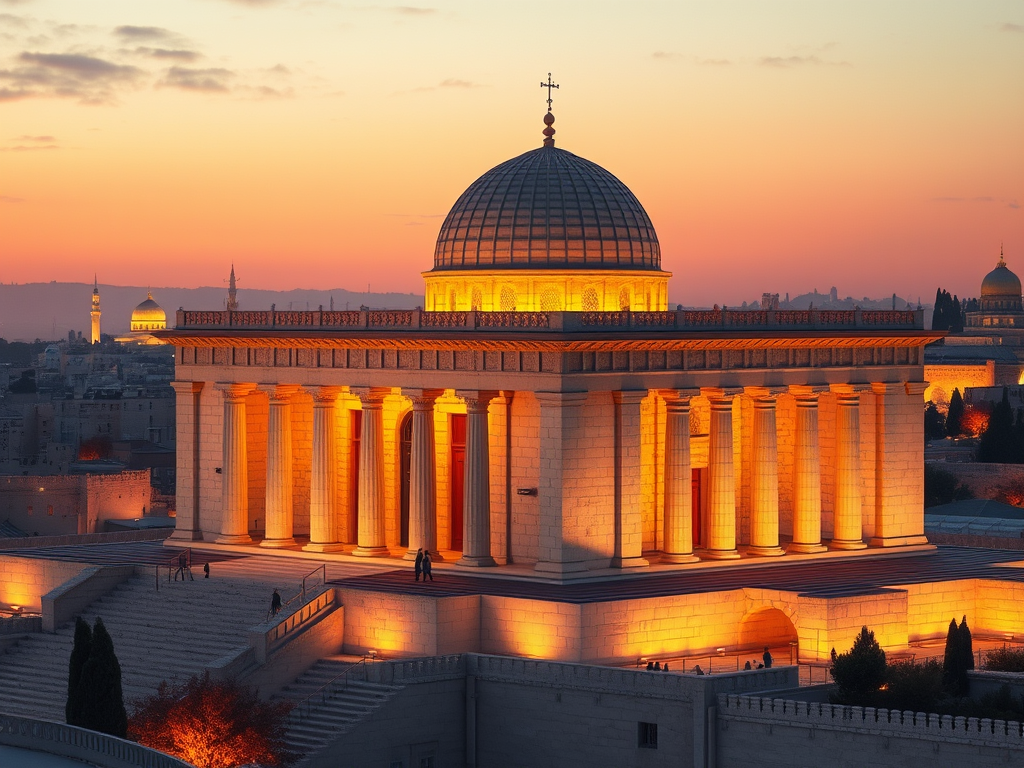
How the Third Temple Shapes Faith, History, and Future
When the idea of a third temple is mentioned, you’ll hear a mix of awe, debate, and a dash of mystery. It’s not just a stone structure imagined in ancient texts; it’s a symbol that has traveled through centuries, influencing politics, theology, and everyday life. Let’s unpack where the concept comes from, why it matters today, and what possibilities lie ahead.
The Roots of the Third Temple Vision
Jewish tradition describes three holy sanctuaries built on the Temple Mount in Jerusalem. The First Temple, attributed to King Solomon, stood from roughly the 10th century BCE until the Babylonian conquest in 586 BCE. The Second Temple rose in the post‑exilic era, lasting until the Roman fire of 70 CE. Both were physical centers of worship, sacrifice, and communal identity.
After the Second Temple’s destruction, the focus shifted to prayer, study, and diaspora life. Yet prophetic books—especially Ezekiel—preserved a vivid blueprint for a future sanctuary. Passages speak of a renewed altar, an inner sanctum, and a divine presence that will "fill the temple with glory." Over the centuries, rabbis and scholars have interpreted these verses as either a literal rebuild or a metaphor for spiritual renewal.
Why the Third Temple Still Captivates Minds
Beyond theology, the idea touches on three main currents:
- National Identity: For many Israelis and Jews worldwide, a rebuilt temple represents the fulfilment of a millennial promise.
- Geopolitical Stakes: The Temple Mount is also home to the Al‑Aqsa Mosque and Dome of the Rock, making any construction plans a flashpoint in Israeli‑Palestinian relations.
- Spiritual Aspiration: Some Christian and Muslim traditions read the third temple into eschatological timelines, linking it to end‑times narratives.
These layers keep the conversation alive in news rooms, academic forums, and even social media feeds.
Historical Attempts and Modern Movements
Throughout the 19th and 20th centuries, several groups have advocated for a rebuild. The most visible today is the Temple Institute, which has crafted ritual objects—golden menorahs, priestly garments, even a full-scale altar—in preparation for a possible future inauguration. Their work is meticulous, grounded in halachic (Jewish legal) research, yet it remains controversial.
Meanwhile, archaeological digs on the mount have revealed layers of ancient construction, fueling both curiosity and caution. Each find can be politicised, turning a simple pottery shard into a diplomatic statement.
Looking Ahead: Possibilities and Challenges
What could a third temple actually look like? Here are three scenarios scholars often discuss:
- Literal Reconstruction: A rebuilt edifice mirroring Solomon’s design, complete with sacrificial rites—a path that would require unprecedented religious and political consensus.
- Symbolic Reinterpretation: A modern worship space that honours the ancient vision without physical demolition of existing holy sites, perhaps through collaborative architecture.
- Spiritual Metaphor: Embracing the temple as an inner journey, where personal transformation replaces any brick‑and‑mortar project.
Each route faces its own hurdles. A literal rebuild would clash with Muslim custodianship of the site, potentially igniting conflict. Symbolic projects demand diplomatic finesse and creative design, while a purely metaphorical approach may satisfy some believers but disappoint those who see a tangible fulfilment as essential.
Legal and Diplomatic Terrain
International law designates the Temple Mount as a contested heritage area. Any alteration would trigger UN resolutions, petitions from NGOs, and a barrage of media scrutiny. Even within Israel, the Knesset debates the issue alongside security concerns and civil liberties.
In recent years, a handful of Israeli politicians have proposed "status‑quo agreements" that would allow limited archaeological work while preserving current religious usage. These proposals aim to balance respect for the past with a cautious eye toward the future.
Personal Reflections: Why It Matters to You
Even if you’re not a scholar of ancient rites, the third temple narrative can resonate on a human level. It asks timeless questions: How do we honour heritage while embracing progress? When does a symbol become a catalyst for unity—or division? And what role does collective imagination play in shaping real‑world outcomes?
For those living in Jerusalem, the sight of the golden dome of the rock next to ancient walls is a daily reminder that history is still very much in the making. For diaspora communities, the conversation can spark deeper engagement with cultural roots, prompting visits, study, or activism.
Bottom Line
The third temple is more than a speculative construction; it’s a living dialogue that intertwines faith, politics, and identity. Whether it remains a visionary blueprint, a contested project, or a metaphorical ideal, its influence will continue to ripple through religious discourse and geopolitical strategies alike.