How the U.S. Military Presence Shapes the Okinawa Base Debate
For decades Okinawa has been the flashpoint where local concerns, national security goals, and international diplomacy clash. The island hosts a disproportionate share of the United States’ forward‑deployed forces in the Pacific, and every new agreement or protest seems to stir fresh controversy. Understanding why the issue remains so charged requires a quick look at history, the strategic calculus, and the everyday impact on residents.
The Historical Backdrop
After World War II, the United States administered Okinawa for 27 years. When the islands reverted to Japanese sovereignty in 1972, many of the U.S. installations stayed put, turning the prefecture into a linchpin of American power projection.
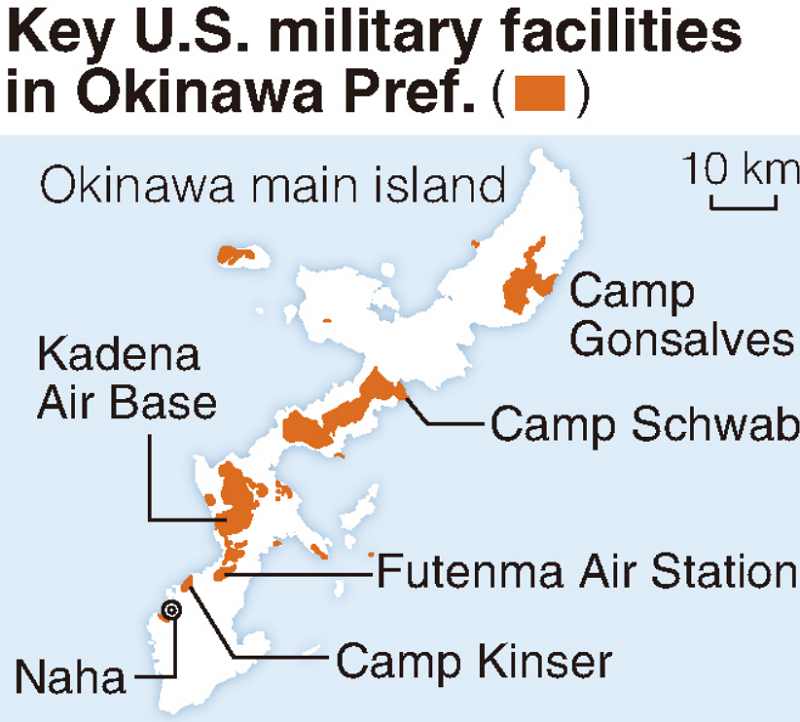
- Key bases such as Kadena Air Base, Camp Foster, and the Marine Corps’ Camp Schwann occupy prime coastal and inland zones.
- Approximately 70 percent of all U.S. forces stationed in Japan are concentrated on the island, despite it covering less than 1 percent of Japan’s total land area.
These numbers alone explain why Okinawans feel uniquely burdened, while Tokyo and Washington view the status quo as essential for regional stability.
Strategic Rationale Behind the U.S. Presence
From a security standpoint, the bases serve several purposes:
- Deterrence: They signal to potential aggressors that the U.S. can respond swiftly across East Asia.
- Power‑projection: Aircraft and naval assets launch from Okinawa to patrol the East China Sea and the South China Sea.
- Logistical hub: The island acts as a refueling and maintenance node for operations throughout the region.
Japan’s own Self‑Defense Forces depend heavily on the infrastructure and intelligence-sharing that the American installations provide. In diplomatic terms, the U.S.–Japan security treaty effectively ties the two nations’ defense postures together, making any shift in Okinawa’s role a matter of broader geopolitics.
Local Concerns: Noise, Crime, and Identity
While the strategic arguments are clear on paper, daily life tells a different story. Residents near Kadena complain of constant jet overflights that disrupt sleep and school routines. The infamous “sonic boom” has become a recurring headline in local newspapers.
Beyond the noise, there have been occasional incidents involving service members that have ignited public outrage. One high‑profile case in 1995—often cited as a turning point—triggered massive protests and a renewed call for base reduction.
Economic arguments also cut both ways. The bases provide jobs and inject money into local businesses, yet the same communities feel the weight of environmental strain and limited land for tourism development.
Key Grievances Summarized
- Aircraft noise and restricted flight paths
- Criminal incidents involving military personnel
- Environmental contamination concerns, especially around former ammunition sites
- Limited local input on base realignment decisions
The Political Tug‑of‑War
Tokyo walks a tightrope. On one side, it must honor its alliance commitments; on the other, it faces mounting pressure from Okinawan lawmakers who demand a fairer burden share. The 2015 “U.S.–Japan Special Measures Agreement” attempted to address some of these tensions by promising a gradual reduction of certain troop numbers and a relocation of the Marine Corps Air Station Futenma to a less‑populated area.
However, the relocation plan itself sparked fresh opposition, as many Okinawans view the new site—Okinawa ‑ Henoko—as another imposition rather than a genuine compromise.
What the Future Might Hold
Predicting the next chapter is tricky, but several trends are worth watching:
- China’s growing naval capabilities: As Beijing expands its reach, the strategic importance of Okinawa could increase, prompting calls for a stronger U.S. footprint.
- Domestic Japanese politics: A shift toward parties that prioritize local autonomy might push for deeper base reductions.
- Technological changes: The rise of unmanned aerial systems could alter the need for large runways and extensive ground facilities.
Each of these variables could tilt the balance, either reinforcing the status quo or opening space for new arrangements.
Bottom Line for Residents and Observers
At its core, the Okinawa base controversy is a classic clash between macro‑level security imperatives and micro‑level lived experience. The island’s strategic value to the United States and Japan is unlikely to vanish overnight, yet the genuine grievances of locals—noise, safety, and a sense of being sidelined—remain potent.
Finding a sustainable path forward will require honest dialogue, transparent decision‑making, and perhaps a willingness to experiment with alternative security concepts that respect both regional stability and the everyday well‑being of Okinawans.