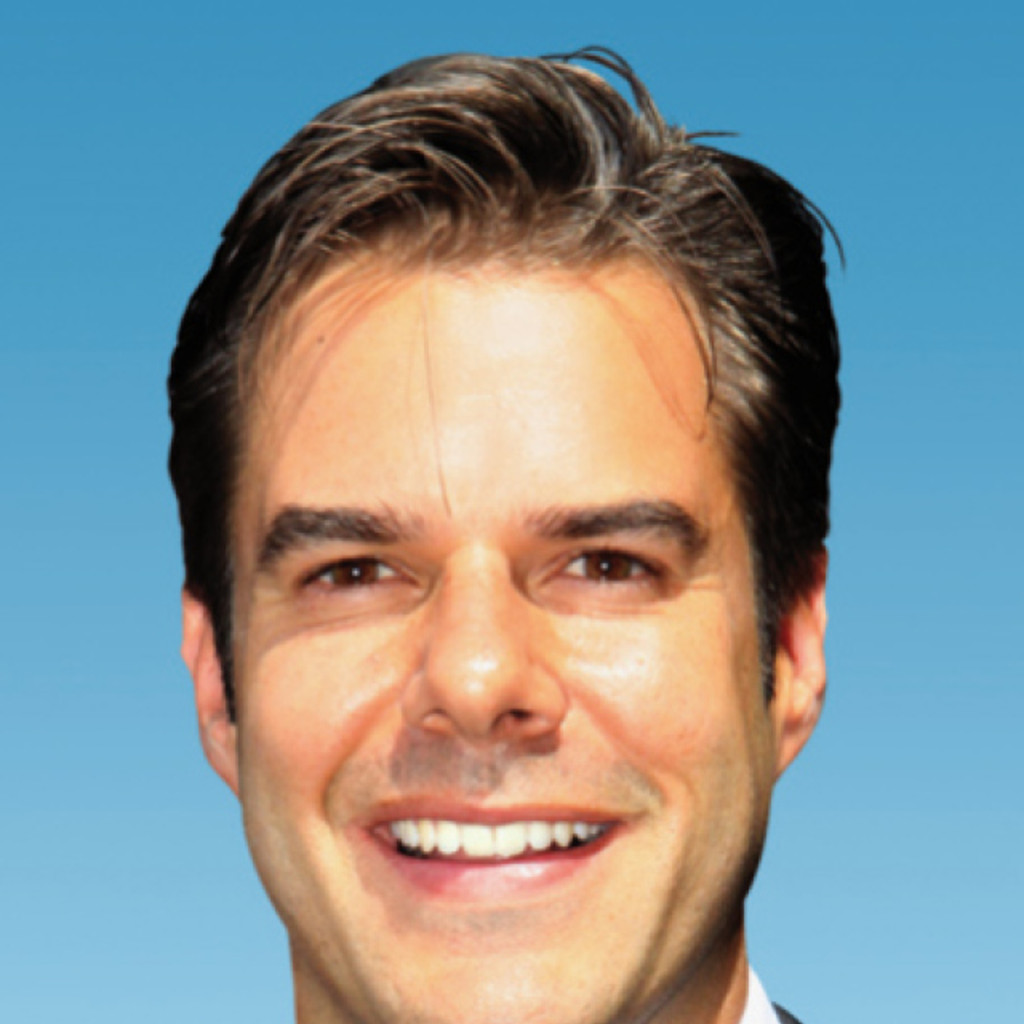
How Thomas Berger & Leo Garcia Explain AC Innovators
When you hear the names Thomas Berger and Leo Garcia linked to AC Innovators, you probably picture a high‑tech lab buzzing with ideas. In reality, their partnership is a blend of engineering rigor, entrepreneurial flair, and a dash of daring that has quietly reshaped how we think about air‑conditioning technology.
Who Are Thomas Berger and Leo Garcia?
Thomas Berger started his career in the early 2000s, soldering circuits for a small HVAC supplier in Wisconsin. Over a decade, he rose to chief engineer, earning a reputation for solving problems that seemed unsolvable. His patents on variable‑speed compressors are still cited in industry textbooks.
Leo Garcia, on the other hand, grew up in Barcelona, where he fell in love with renewable energy after a solar‑panel project in high school. He later earned an MBA from IE Business School and spent five years consulting for multinational clean‑tech firms before turning his attention to climate‑controlled environments.
Both men share a curiosity about how comfort and efficiency can coexist. When they first met at a sustainability summit in 2015, the conversation quickly turned toward the untapped potential of smart AC systems.
What Is AC Innovators?
AC Innovators isn’t a product line; it’s a philosophy. The company’s core mission is to develop air‑conditioning solutions that adapt in real time to occupancy, weather patterns, and energy‑price signals.
- Adaptive algorithms: Sensors gather data every few seconds, feeding a machine‑learning model that predicts cooling demand minutes ahead.
- Modular hardware: Instead of a single massive compressor, the system employs several smaller units that can be activated or deactivated as needed.
- Renewable integration: The design allows seamless coupling with solar panels or wind turbines, minimizing grid draw.
These three pillars form the backbone of what Berger and Garcia call “dynamic comfort.”
How Their Collaboration Shaped the Industry
Berger’s deep technical knowledge and Garcia’s business acumen turned out to be a perfect match. Berger designed a prototype of a variable‑flow compressor that could throttle output in 1‑kilowatt increments. Garcia, meanwhile, secured a pilot program with a mid‑size office complex in Minneapolis, providing real‑world data to refine the algorithms.
The results were eye‑opening: an average 27% reduction in energy consumption during peak summer months, with no noticeable dip in occupant comfort. Word spread quickly, and larger corporations began demanding bespoke solutions.
Key Contributions
- Patented sensor fusion that merges temperature, humidity, and CO₂ data for more accurate load forecasting.
- Open‑source control platform that allows third‑party developers to create add‑ons, fostering an ecosystem of innovation.
- Smart‑grid ready interfaces that communicate with utility providers to shift load during demand‑response events.
Challenges They Faced
Innovation rarely comes without obstacles. One of the biggest hurdles was convincing traditional HVAC manufacturers to adopt a modular approach. Many were entrenched in legacy production lines and hesitant to overhaul tooling.
Berger tackled this by offering a retrofit kit that could be installed on existing units with minimal downtime. Garcia led the marketing effort, emphasizing the long‑term cost savings and environmental impact, which resonated with sustainability officers across various sectors.
Another challenge was data privacy. Collecting real‑time occupancy information raised concerns about employee monitoring. The duo responded by implementing anonymized data streams and obtaining third‑party certifications, easing regulatory anxieties.
Future Outlook
Looking ahead, Berger and Garcia are exploring integration with IoT ecosystems beyond the office space. Imagine a smart home where the refrigerator, dishwasher, and AC coordinate to flatten the household’s overall energy curve.
They’re also investing in research on refrigerants with lower global‑warming potential, aiming to align performance with the next generation of climate policies.
While the path is still being charted, one thing is clear: the synergy between Thomas Berger’s engineering precision and Leo Garcia’s strategic vision continues to push the boundaries of what air‑conditioning can achieve.