How TikTok Came From China: The Story Behind the App
When you scroll through TikTok’s endless stream of short videos, it’s easy to forget that the platform started far from the bustling streets of New York or the cafés of Paris. Its roots lie in a modest Chinese tech office, and the journey from a local startup to a global cultural force is anything but straightforward.
The Birth of Douyin in Beijing
In September 2016, a Chinese company called ByteDance launched Douyin, a short‑video app designed for the domestic market. The idea was simple: let users create 15‑second clips set to music, then share them with friends. What set Douyin apart was its slick editing tools and a recommendation algorithm that seemed to read minds.
ByteDance’s founder, Zhang Yiming, had already built a reputation for data‑driven products. He believed that a well‑tuned algorithm could keep users glued to a screen longer than any celebrity endorsement ever could. Within months, Douyin was pulling in millions of daily active users across China.
From Douyin to TikTok: The International Leap
Seeing the success at home, ByteDance decided to go global. Rather than rebranding Douyin outright, they created a sister app called TikTok in September 2017, targeting markets outside China. The two apps share the same core technology but operate on separate servers to comply with local regulations.
- Localization: TikTok’s interface was translated into dozens of languages, and the content moderation policies were tailored to each region.
- Music licensing: Partnerships with record labels in the U.S., Europe, and Latin America gave TikTok a catalog that rivaled the biggest streaming services.
- Influencer outreach: Early on, ByteDance recruited popular creators from each market to seed the platform with relatable content.
These steps helped TikTok avoid the “foreign app” stigma that often plagues newcomers and gave the service a foothold in places like the United States, India, and Brazil.
The Musical Merger: Acquiring Musical.ly
In November 2017, ByteDance bought Musical.ly, a U.S.–based app with a strong teenage following. Rather than keep both platforms running parallel, the company merged them into TikTok in August 2018. This move was pivotal for two reasons:
- It instantly added a massive user base—over 100 million active users—primarily from North America and Europe.
- The merger brought a wealth of creator talent and a content library that resonated with Western audiences.
After the integration, Tik‑Tok’s user numbers exploded, crossing the 500‑million‑monthly‑active‑user mark by early 2020.
Algorithmic Magic: Why TikTok Feels Different
If you’ve ever wondered why you can’t stop watching TikTok videos, the answer lies in its “For You” feed. Unlike traditional platforms that prioritize followers, TikTok’s algorithm evaluates:
- Video completion rate
- Likes, comments, and shares
- Device and location data (anonymized)
- Historical interaction patterns
The result is a constantly refreshing stream that feels personally curated. This approach, pioneered in China with Douyin, proved to be the secret sauce that made TikTok addictive worldwide.
Regulatory Hurdles and Global Scrutiny
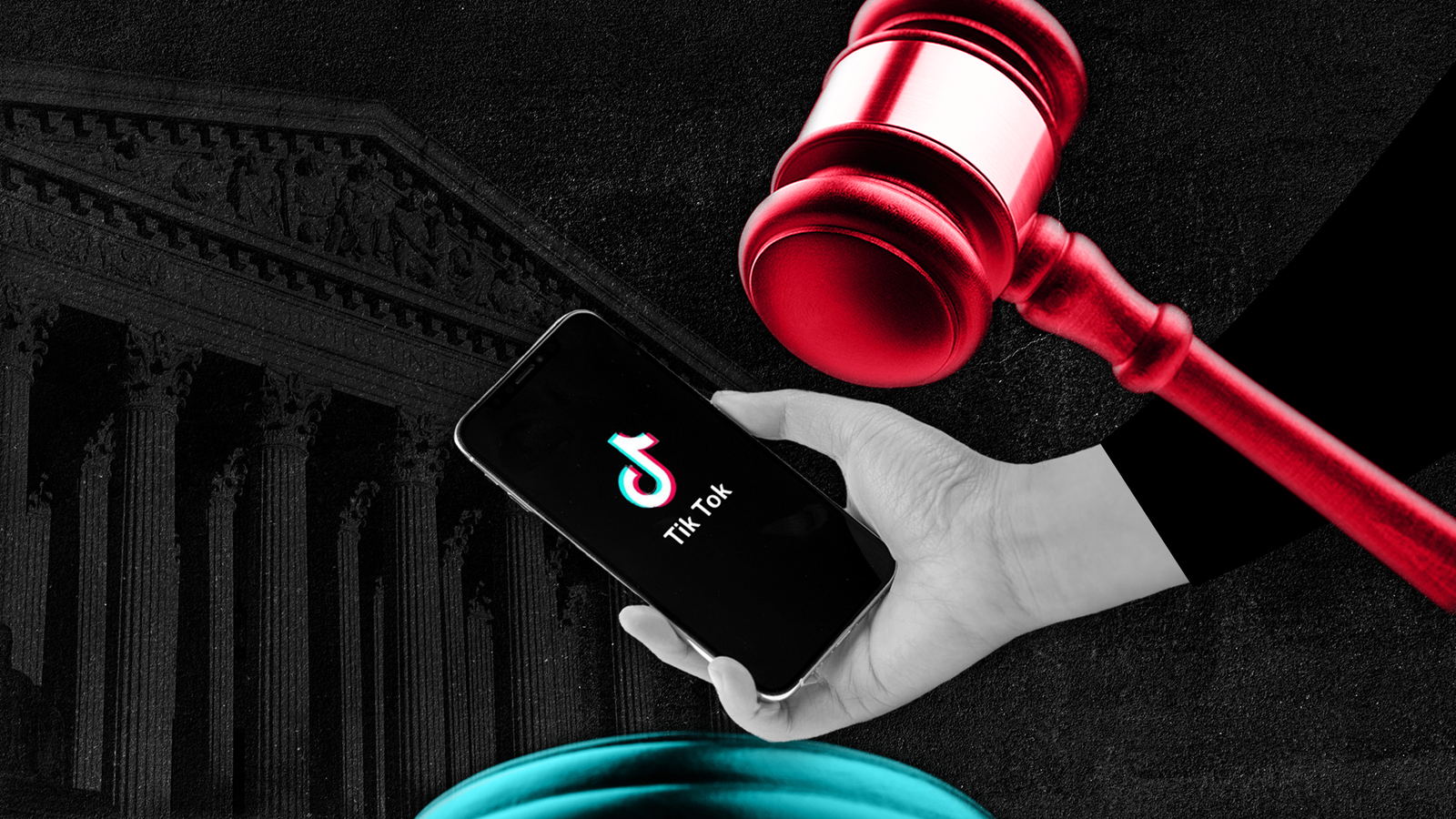
As the app’s influence grew, so did political attention. Governments in the United States, India, and several European nations raised concerns about data privacy and possible ties to the Chinese government. Key events include:
- India’s ban on TikTok in June 2020, citing national security.
- The U.S. Committee on Foreign Investment’s (CFIUS) review of ByteDance’s acquisition of Musical.ly.
- EU investigations into data transfer practices.
ByteDance responded by opening “transparency centers,” moving data servers to Singapore and the U.S., and establishing separate corporate entities to assure regulators.
Impact on Culture and Business
TikTok isn’t just an app; it’s a cultural catalyst. From viral dances that dominate Billboard charts to small businesses discovering a new sales channel, the platform has reshaped how creators think about audience engagement.
- Music industry: Songs that trend on TikTok often see a resurgence on streaming platforms, turning obscure tracks into global hits.
- Marketing: Brands now allocate dedicated budgets for “TikTok challenges” to tap into user‑generated content.
- Social movements: Short videos have amplified activism, giving voice to causes that might otherwise be drowned out.
Looking Ahead: Where TikTok Might Go Next
While the app’s origins are firmly planted in China, its future looks increasingly multinational. Potential developments include:
- Enhanced e‑commerce features that let users purchase products directly from videos.
- More robust creator‑fund programs to sustain long‑term content production.
- Further decentralization of data storage to meet stricter privacy laws.
What’s clear is that the story of TikTok—born as Douyin in a Beijing startup, transformed through strategic acquisitions, and now navigating a complex geopolitical landscape—illustrates how a single idea can ripple across the globe, reshaping entertainment, commerce, and even politics.