How to Ace Your Science Fair Presentation: Tips & Examples
Walking into a science fair with a polished presentation can feel like stepping onto a stage. Whether you’re a middle‑schooler showing a simple experiment or a high‑school senior presenting a multi‑year study, the way you share your work matters as much as the work itself. Below you’ll find practical tips, real‑world examples, and a few little tricks that turn a decent poster or slide deck into a memorable showcase.
Start With a Clear Narrative
Judges and peers alike respond to a story that flows from problem to solution. Begin by stating the question you tackled in one sentence—no jargon, just the core idea. Follow with why it matters, how you approached it, what you discovered, and what it means for the future. This “problem‑method‑result‑impact” arc keeps the audience oriented and makes your science feel relevant.
Design Slides or Posters That Guide the Eye
Visual clutter is the enemy of comprehension. Use a clean layout: a bold title at the top, a single graphic or chart in the center, and brief bullet points beside it. Limit each slide to one main idea; if you have three ideas, give them three slides instead of cramming everything onto one.
- Font size: 24‑point for body text, 36‑point for headings.
- Colors: High contrast (dark text on light background) and a consistent palette of two to three colors.
- Images: High‑resolution photos of your setup, labeled clearly.
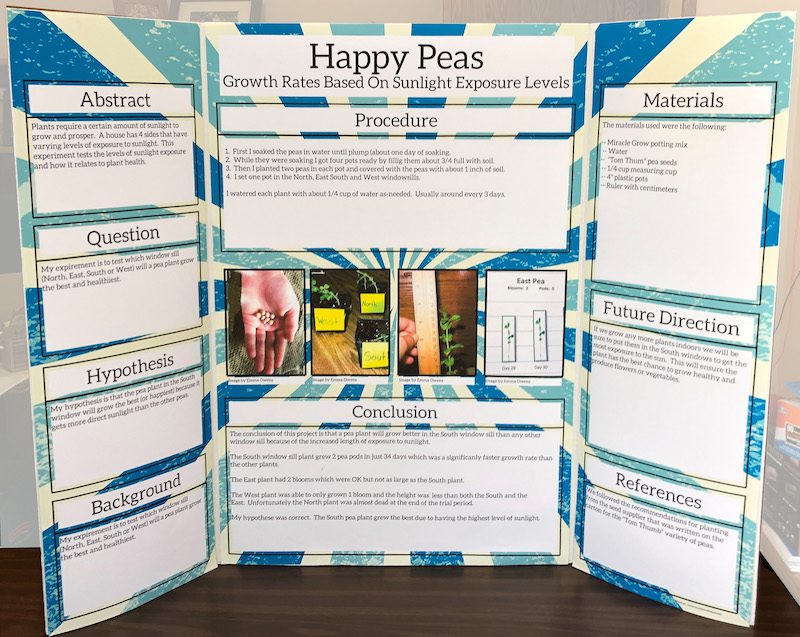
For poster boards, think of sections as “chapters”: Introduction, Hypothesis, Methods, Results, Conclusion. Use white space to separate each block, and place the most eye‑catching visual—often a graph or photograph—near the center.
Craft an Engaging Opening Line
First impressions are sticky. Instead of a bland “My project is about…,” try a hook that sparks curiosity. Example: “What if we could turn kitchen waste into clean drinking water?” This approach signals excitement and invites the audience to keep listening.
Show, Don’t Just Tell
Live demos are powerful, but they require careful planning. If you’re demonstrating a chemical reaction, rehearse the timing so the change occurs while you’re explaining it. For digital projects, have a short video loop ready in case the live demo glitches. Remember: a 30‑second showcase beats a 5‑minute monologue that never gets off the ground.
Use Data Wisely
Numbers can overwhelm. Highlight the most striking result in a large font or a bold color, then back it up with a simple chart. Avoid tables full of decimals; instead, round to the nearest meaningful value and explain why that precision is sufficient for your conclusion.
Practice the Q&A Like a Pro
Judges love curious questions. Anticipate three to five likely queries—perhaps about experimental controls, sources of error, or future directions—and rehearse concise answers. If you don’t know an answer, admit it honestly and suggest how you’d find out. This shows scientific humility and a growth mindset.
Example: The “Solar‑Powered Water Purifier” Project
One student turned a simple solar panel and a homemade filter into a portable water‑purification system. Their presentation started with the hook, “Imagine a world where every sunrise brings clean water to remote villages.” The poster featured a large photograph of the prototype, a flow‑chart of the purification process, and a bar graph comparing contaminant levels before and after treatment. During the demo, the student poured murky water into the inlet, and clear water emerged on cue, drawing gasps from the crowd. The Q&A highlighted plans for scaling up the design, impressing judges with forward‑thinking ideas.
Example: The “Biodegradable Plastic” Investigation
Another participant investigated how different plant‑based polymers break down over time. Their slide deck began with a striking image of a plastic bottle submerged in a test tube, captioned “Will this ever disappear?” The results slide used a line graph with three colored lines representing starch, cellulose, and a control. The presenter explained that the starch‑based polymer degraded 60% faster than the control, then suggested commercial applications in packaging. A concise answer about environmental impact earned extra points for relevance.
Polish Your Delivery
Speak clearly, vary your pace, and use natural gestures. Record a short rehearsal on your phone, then watch it to spot filler words or awkward pauses. Aim for a confident tone, but don’t over‑dramatize; authenticity resonates more than a forced performance.
Final Checklist Before the Fair
- All slides or poster sections are proofread for spelling and unit consistency.
- Backup copies of digital files exist on a USB drive and in the cloud.
- Equipment (laptop, charger, extension cords) is tested in the venue’s power setup.
- Printed handouts or a QR code linking to a project summary are ready for interested visitors.
Frequently Asked Questions
How long should a science fair presentation be?
Most fairs allocate 3–5 minutes for a spoken overview, plus an additional 2–3 minutes for questions. Tailor your content to fit this window, focusing on the most compelling points.
Can I use animations in my slides?
Simple fade‑ins or slide transitions are fine, but avoid complex animations that distract from the data. Keep movement purposeful and brief.
What if my experiment didn’t work as expected?
Honesty is key. Explain what you observed, discuss possible sources of error, and suggest how you’d modify the experiment next time. Judges appreciate a thoughtful analysis over a perfect result.