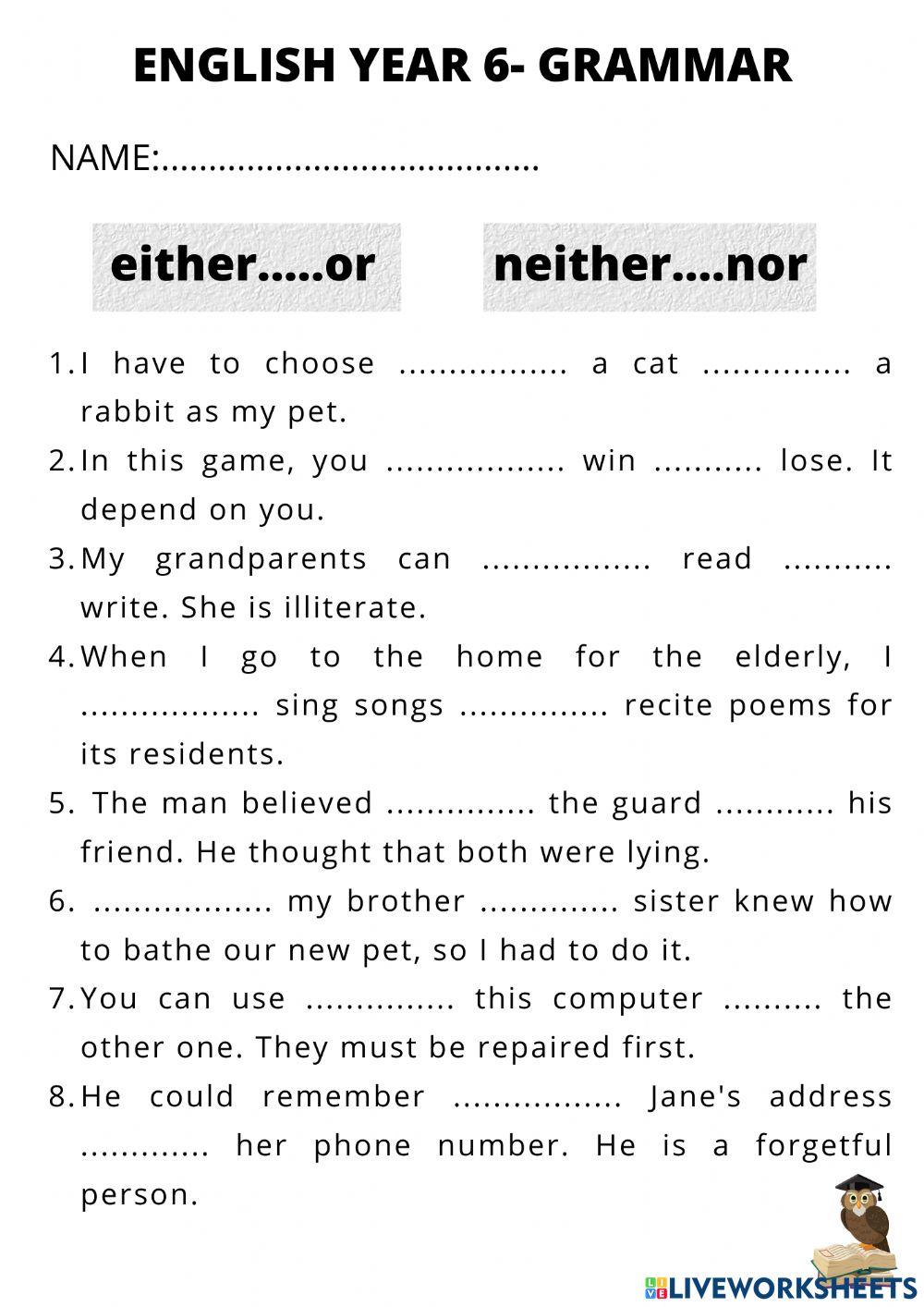
How to Ace Your Year 6 English Quiz Without the Stress
When the teacher hands out that glossy quiz sheet, it can feel like a tiny mountain to climb. The good news? Most of the climb is just about knowing where to plant your feet. This guide walks you through the bits that matter most—reading strategies, grammar tricks, and a quick revision routine—so you can walk into the classroom feeling prepared, not panicky.
Understand What the Quiz Is Testing
Year 6 English isn’t just about spelling words correctly; it’s a blend of comprehension, grammar, and creative thinking. Most quizzes split into three sections:
- Reading comprehension – short passages with questions about main ideas, inference, and vocabulary in context.
- Grammar and punctuation – identifying parts of speech, correcting sentence fragments, and placing commas, apostrophes, or full stops.
- Writing or short answer – a brief response that might ask you to summarise, give an opinion, or rewrite a sentence.
Knowing this layout lets you allocate your time wisely. If you spend ten minutes worrying about a spelling question that’s worth just one mark, you’ll lose precious minutes for the longer reading part.
Reading Comprehension: Read Smart, Not Hard
Skim Before You Dive
First, give the passage a quick skim. Look for headings, bolded words, and the first and last sentences of each paragraph. Those spots usually hide the main idea.
Mark the Keywords
When you read more carefully, underline or circle words that seem pivotal—terms like “however,” “because,” “most,” or any name that repeats. They often signal cause‑and‑effect or contrast, which are common quiz angles.
Answer in Your Own Words
After a question, pause and rephrase it silently. “What does the author mean by ‘the crowd’s murmurs rose like a tide’?” becomes “What feeling is the author showing?” This tiny step reduces mis‑reading and guides you to the exact answer the teacher expects.
Grammar & Punctuation: Quick Fixes
Part‑of‑Speech Cheat Sheet
Keep a tiny list in the margin of your notebook:
- Noun – person, place, thing.
- Verb – action or state.
- Adjective – describes a noun.
- Adverb – modifies a verb, adjective, or another adverb.
When a question asks you to spot the adjective, glance at the list and see which word fits the description. It’s faster than trying to remember definitions on the spot.
Punctuation Pitfalls
Four punctuation marks steal most marks:
- Comma splice – two independent clauses joined by a comma need a conjunction or a semicolon.
- Apostrophe – remember it shows possession (the girl’s book) or contracts (don’t), never plurals.
- Full stop – every complete thought ends with one.
- Quotation marks – use them for spoken words; place punctuation inside the quotes in Australian English.
Practice fixing a sample sentence each night; the patterns will stick.
Writing & Short Answer: Make Every Word Count
Plan in 30 Seconds
Jot down a quick 3‑point outline before you start. Even if the answer is only two sentences, a mini‑plan keeps you on track and prevents rambling.
Use the “PEEL” Method
For a brief opinion piece, follow:
- Point – state your main idea.
- Evidence – quote a line or give a fact.
- Explain – show how the evidence supports the point.
- Link – connect back to the question.
It sounds formal, but on a quiz it translates to a clear, logical paragraph that earns full marks.
Revision Routine That Works
Spaced Repetition in 15‑Minute Slots
Instead of a marathon night, break study time into four 15‑minute sessions across a week. In each slot:
- Review a short passage and answer two comprehension questions.
- Do five grammar sentences, focusing on a single rule each day.
- Write a quick 30‑second summary of a story you read this week.
This spaced approach leverages memory curves, so the information sticks longer.
Quiz Yourself With a Buddy
Swap quiz sheets with a classmate. Explain your answers aloud; teaching a concept is a proven way to solidify it. If you both get stuck, look it up together—just make sure you understand why the answer is correct.
Exam‑Day Tips to Keep Calm
1. Read the instructions twice. It sounds redundant, but a missed “choose the best answer” can cost marks.
2. Start with the section you feel strongest about. That builds momentum and frees up mental bandwidth for the tougher parts.
3. Keep an eye on the clock. Allocate roughly 1 minute per multiple‑choice question, 3–4 minutes for reading passages, and a little extra for any writing task.
4. If you’re stuck, skip and return. A brief pause often clarifies a confusing sentence.
Resources You Can Use Right Now
- “Year 6 English Workbook” – practice passages with answer keys.
- Online grammar games such as “Kahoot!” or “Quizizz” – fun, timed drills.
- School library’s “Reading Corner” – pick a short story and summarise it in ten sentences.
Grab one of these tools tonight, spend fifteen minutes with it, and you’ll notice a small but real boost in confidence.
With the right strategies, a Year 6 English quiz becomes less a dreaded hurdle and more a chance to show what you’ve learned. Take a breath, follow the steps, and watch your score rise.