How to Activate Gemini on Your Google Home in Minutes
If you’ve been hearing about Gemini—Google’s newest AI companion—and wondering how to get it chatting on your Google Home, you’re in the right place. Below is a straightforward walk‑through that walks you through the setup, highlights a few handy tricks, and points out the occasional snag you might hit.
What Is Gemini and Why It Matters
Gemini is Google’s latest conversational model, designed to answer questions, manage routines, and even spin a short story when you ask. Think of it as a smarter, more context‑aware version of the classic Google Assistant. For anyone who already uses voice commands to control lights, play music, or check the weather, Gemini adds a layer of nuance that feels almost human.
Before You Start: Quick Checklist
- Google Home (any generation released after 2020 works best)
- A stable Wi‑Fi connection
- The Google Home app installed on an Android or iOS device
- A Google account with two‑step verification enabled (optional but recommended)
Step‑By‑Step Activation
1. Update Your Google Home Firmware
Open the Google Home app, tap the Devices icon, then select your speaker. If a Software Update button appears, tap it and wait for the download to finish. Skipping this step often leads to compatibility hiccups later on.
2. Opt‑In to the Gemini Preview
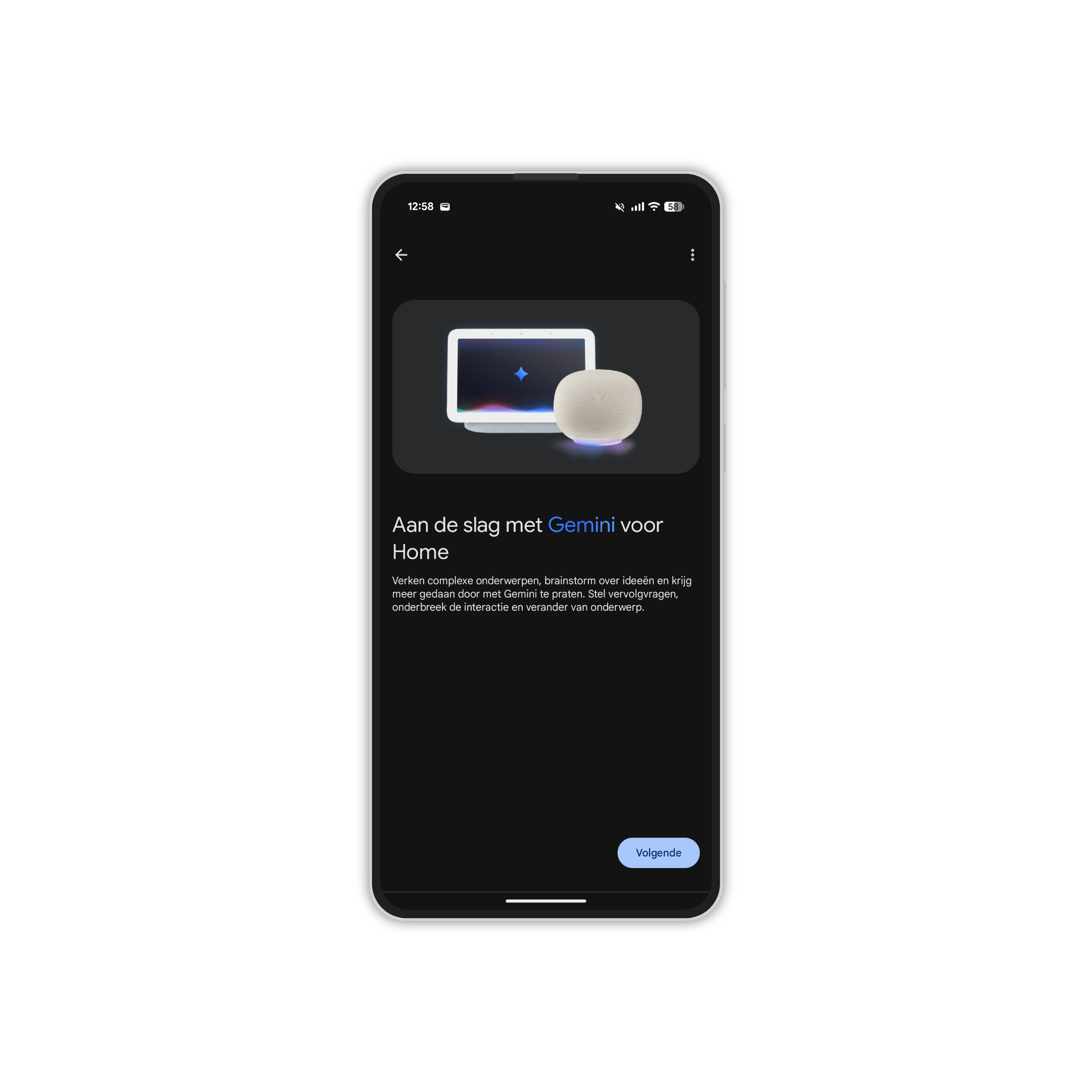
Google rolls out Gemini gradually, so you may need to join a preview program. Navigate to Settings → Assistant → Gemini within the app. There will be a toggle labeled Join Gemini Preview. Flip it on, then confirm the prompt that explains data usage policies.
3. Verify Voice Match (Optional but Handy)
Gemini can personalize responses if it knows who’s speaking. Under Assistant → Voice Match, follow the on‑screen steps to train the device to recognize your voice. It takes just a few minutes and makes the follow‑up interactions smoother.
4. Test the Connection
Once the preview is active, try a simple command: “Hey Google, ask Gemini what the weather will be tomorrow.” If the response comes from Gemini (you’ll hear a slightly different tone), you’re good to go. If not, double‑check that the toggle is still enabled and give the device a quick reboot.
Troubleshooting Common Roadblocks
- Gemini doesn’t respond: Ensure your Wi‑Fi is stable and that the firmware is the latest version. A quick power cycle—unplug, wait 10 seconds, plug back in—often resolves the glitch.
- “I can’t find Gemini” error: The preview may not be available in your region yet. Keep an eye on Google’s update blog for rollout announcements.
- Privacy concerns: You can delete voice recordings anytime in My Activity on your Google account page. Gemini respects the same data controls as the regular Assistant.
Getting the Most Out of Gemini
Now that Gemini is live, you might wonder how to make it feel less like a tool and more like a helpful partner. Here are a few ideas:
- Ask follow‑up questions. Unlike the classic Assistant, Gemini can keep track of conversation threads. Try, “What’s the capital of Italy?” followed by “What’s a good dish to try there?”
- Leverage context. Mention ongoing events—“Remind me to call Mom after dinner”—and Gemini will factor in the time of day you spoke.
- Combine with routines. In the Home app, edit a routine to include a Gemini prompt, such as “Good morning, Gemini—what’s on my calendar?”
When to Expect Future Updates
Google treats Gemini as a living service, meaning new features appear incrementally. Expect improvements like visual responses on Nest Hub displays, expanded language support, and deeper integration with third‑party services. Keeping the app and device firmware up to date ensures you’re automatically in line for these enhancements.
Final Thoughts
Activating Gemini on a Google Home isn’t a chore; it’s a handful of taps and a brief wait. Once enabled, the richer dialogue and smarter suggestions can transform everyday tasks—from setting timers to planning weekend trips. Give it a try, experiment with a few queries, and you’ll quickly see why Gemini feels like the next step up for voice assistants.