How to Buy an Authentic Wilson Tennis Racket: A Complete Guide
There’s a certain thrill in holding a Wilson racket that’s truly original – the weight, the balance, the feel of a piece of tennis history in your hands. Yet, the market is flooded with knock‑offs, and even seasoned players can get tripped up. Below is a down‑to‑earth walkthrough to help you land a genuine Wilson without breaking the bank or chasing phantom deals.
Know What “Authentic” Really Means
The word “authentic” isn’t just marketing fluff. It signals that the racket was manufactured by Wilson, carries the proper branding, and meets the company’s quality standards. Counterfeit models often mimic the look but fall short on materials, durability, and performance.
Key identifiers
- Serial number – usually etched on the throat or inside the grip. Real Wilsons have a clean, legible stamp.
- Logo placement – the Wilson script is crisp, not blurry or misaligned.
- Weight and balance – official specs are listed on Wilson’s website; if the racket feels markedly lighter or heavier, something’s off.
Where to Look: Trusted Sources
Not every online shop is created equal. Here are the places that consistently deliver authentic gear:
- Official Wilson website – the safest bet, plus occasional demo‑program offers.
- Authorized retailers – think large sports chains, specialty tennis boutiques, and well‑known e‑commerce partners.
- Second‑hand platforms with verification – platforms that provide seller ratings and product authentication services.
While dealer websites might seem pricier, they often include warranties and return policies that knock‑off sellers simply can't match.
What to Check Before Hitting “Buy”
Even with a reputable source, a quick double‑check can save you from disappointment.
1. Compare model numbers
Wilson’s lineup ranges from the Pro Staff series to the Blade and the newer Hypernova. Each has a unique model code (e.g., “Pro Staff 97”). Match that code with the listing.
2. Scrutinize photos
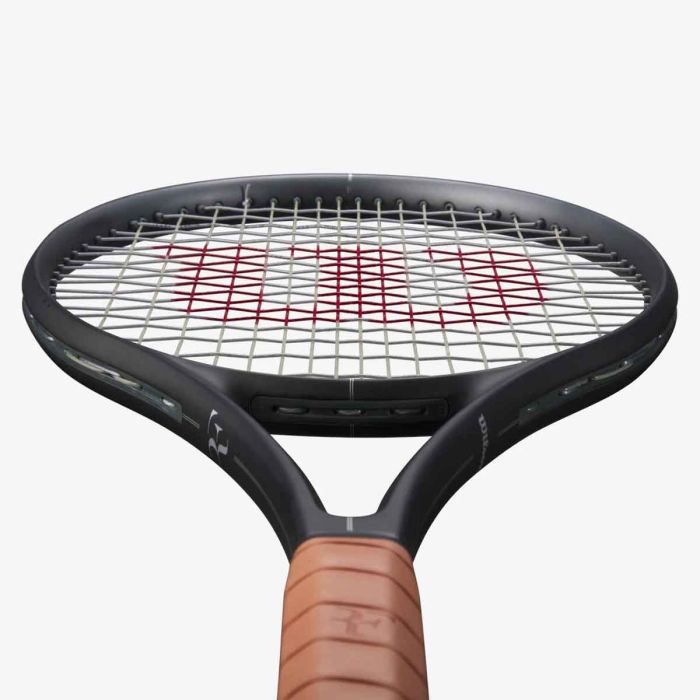
Look for close‑ups of the head, throat, and grip. Authentic photos typically show the brand’s trademark stitching and finish. Blurry or overly edited images are red flags.
3. Read the fine print
Return policies, warranty length, and any “as‑is” clauses tell you how confident the seller is about authenticity. A solid 30‑day return window is a good sign.
Pricing Realities
Authentic Wilson rackets don’t come cheap, but there’s a sweet spot if you know where to look.
- New releases – expect to pay full MSRP; discounts are rare in the first few months.
- Last season’s models – often 10‑20% off, especially during year‑end sales.
- Pre‑owned – can be 30‑50% cheaper, provided the racket is in good condition and comes with proof of authenticity.
If a deal feels “too good to be true,” it probably is. Trust your gut and verify the seller’s reputation.
Testing the Racket (If Possible)
When you have the chance to handle the racket before buying, do a quick feel test:
- Grip comfort – the grip should feel snug, not slippery.
- String pattern – genuine Wilsons have consistent tension and pattern alignment.
- Sound – a clean “pop” on a gentle swing indicates proper construction.
Even a brief swing can reveal whether the racket’s weight distribution matches the specs you read online.
Final Thoughts on Securing Authenticity
Buying a Wilson racket is more than a purchase; it’s an investment in your game. By checking serial numbers, sticking to authorized sellers, and staying alert to pricing anomalies, you’ll greatly reduce the odds of ending up with a counterfeit. And if you ever have doubts, Wilson’s customer service can verify a serial number for you – a little extra step that can bring peace of mind.