How to Capture the Magic of Amateur Night Cloud Photography
There’s something almost mystical about watching clouds drift across a moonlit sky. For many hobbyists, it’s a chance to experiment with low‑light techniques without the pressure of a daytime shoot. Below you’ll find practical advice that walks you through the whole process— from spotting the right clouds to polishing the final image.
Understanding Nighttime Cloudscapes
Unlike daytime, clouds at night are illuminated by a mixture of moonlight, city glow, and occasionally distant lightning. The contrast is softer, the colors more muted, but the textures can be striking if you know where to look.
Key things to observe:
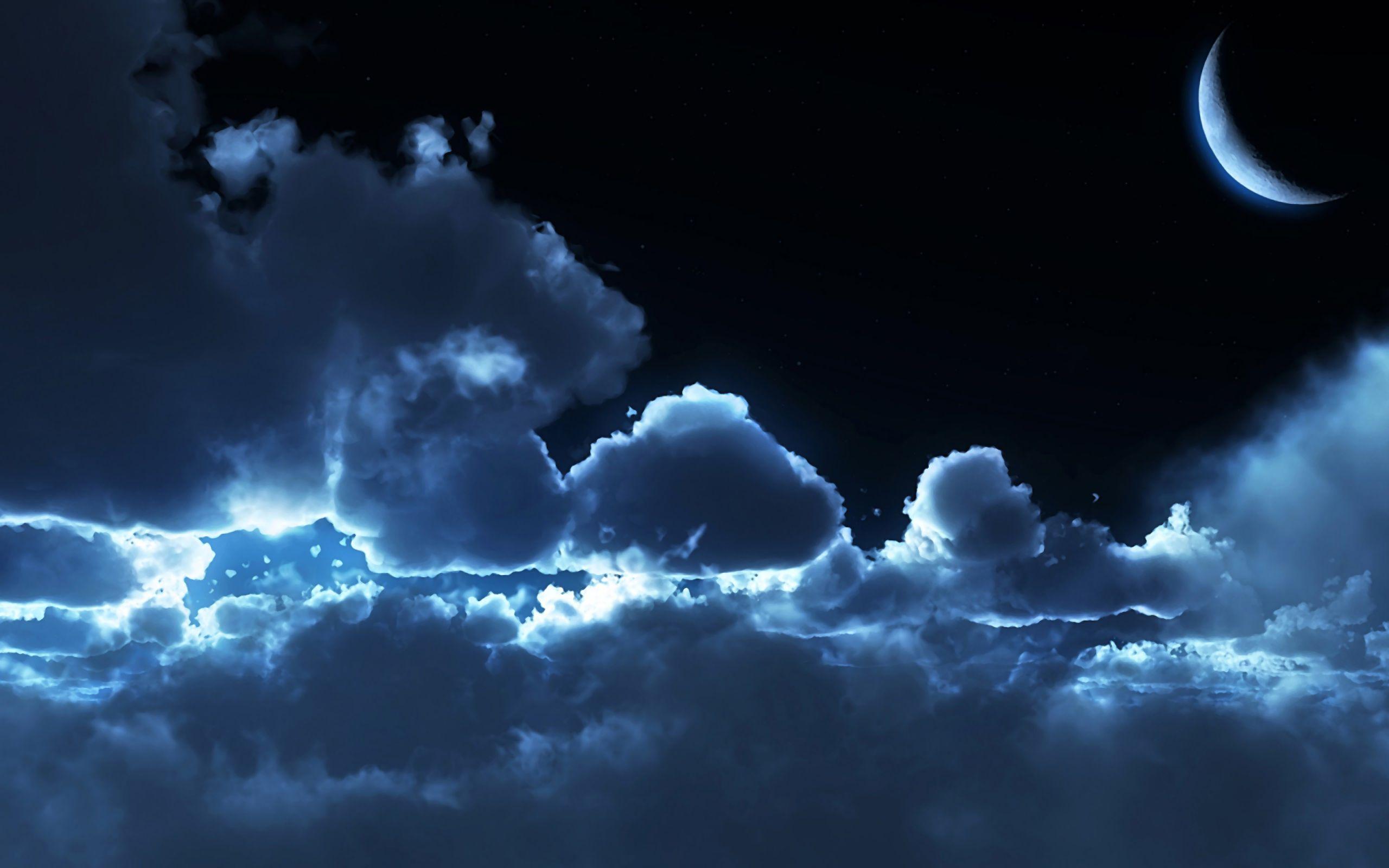
- Moon phase: A full or gibbous moon provides the most light, but a thin crescent can create dramatic silhouettes.
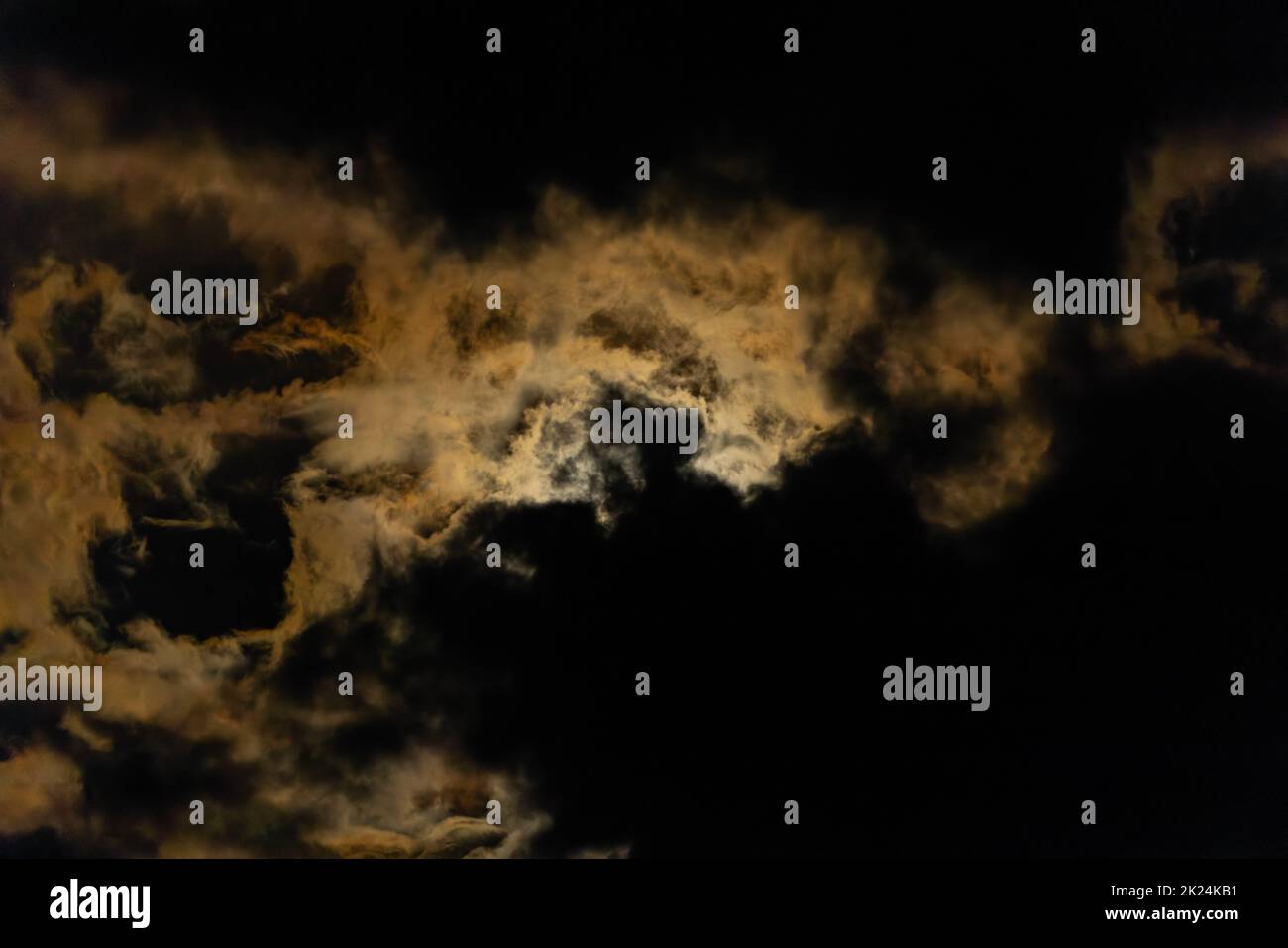
- Light pollution: Urban skies often have a reddish hue that adds a subtle warmth to the clouds.
- Atmospheric conditions: High humidity or thin mist can make clouds appear more luminous.
Sometimes the best moments happen just after sunset, when the sky is still deep blue but the clouds catch the lingering glow.
Gear Essentials for Amateur Night Cloud Photography
You don’t need a professional‑grade camera, but a few items make a world of difference.
- Camera: A DSLR or mirrorless body with good high‑ISO performance.
- Lens: A fast wide‑angle (14‑24mm) or a telephoto (70‑200mm) depending on your composition.
- Tripod: Stability is non‑negotiable when you’re shooting at 2‑5 seconds or longer.
- Remote shutter or timer: Minimises camera shake.
- Extra batteries: Cold nights drain power faster than you might expect.
A simple handheld flashlight can also serve as a focus aid if you’re shooting in near‑total darkness.
Techniques to Capture Detail
Start by setting your camera to manual mode. This gives you full control over exposure, focus, and white balance.
1. Exposure Settings
Typical night cloud shots fall in the 2‑10 second range at ISO 800‑1600. If the moon is bright, you can drop the ISO to reduce noise. Remember to check the histogram; you want a gentle curve without clipping the highlights.
2. Focusing Manually
Autofocus often hunts in low light. Switch to live view, zoom in on a bright edge of a cloud, and lock focus manually. Once set, switch to “focus‑locked” mode to avoid accidental changes.
3. Using Light Trails
If you’re near a highway, the headlights of passing cars can paint luminous trails across the clouds. To capture this, increase the exposure time to 15‑30 seconds and keep the aperture around f/4‑f/5.6.
4. Compositional Tips
- Include a reference point— a tree, a building, or a silhouette of a horizon line—to give scale.
- Apply the rule of thirds; place the moon or a striking cloud formation on an intersecting point.
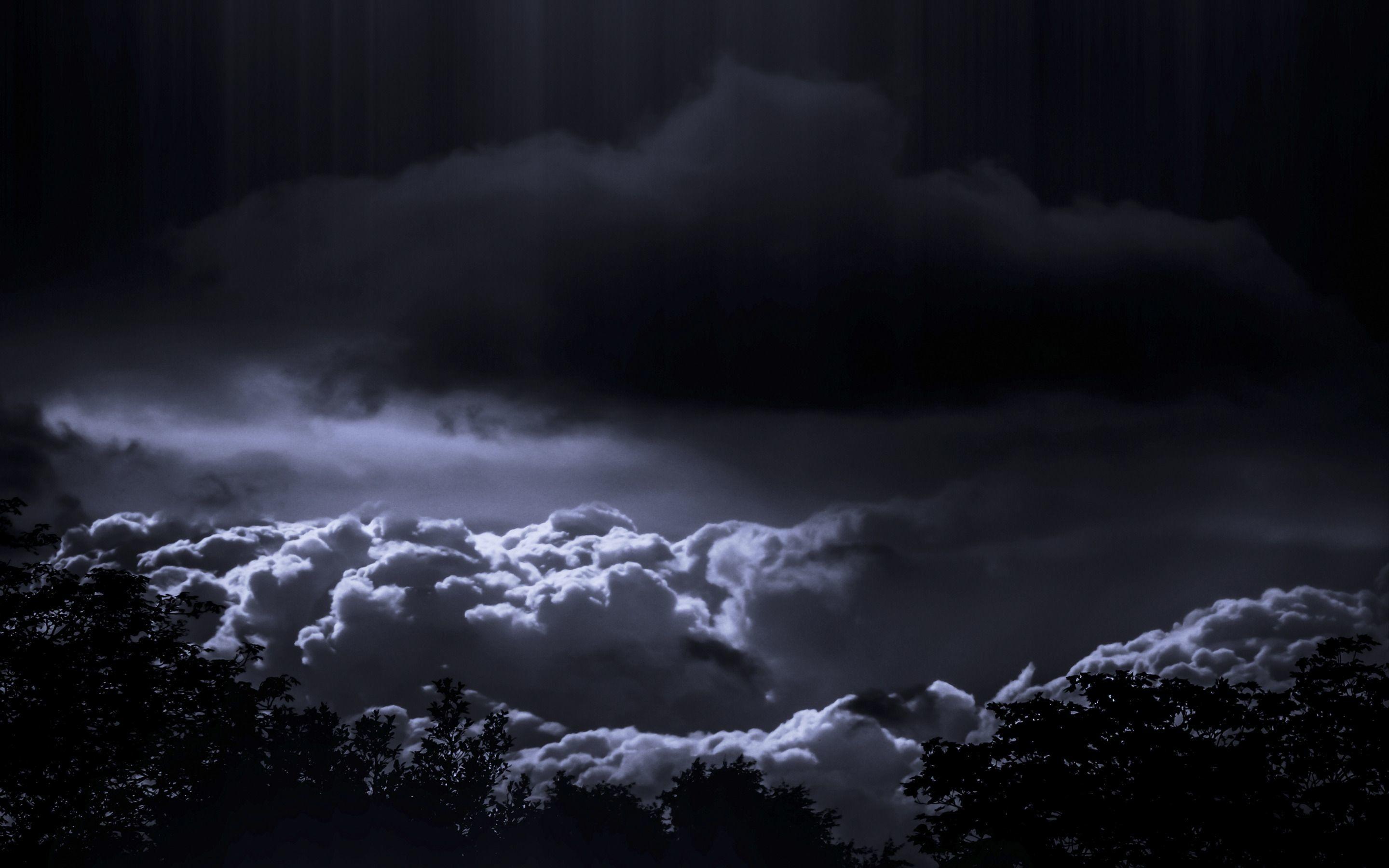
- Watch the foreground: a dark foreground can make the clouds pop.
Don’t be afraid to experiment with unconventional angles. Sometimes the most compelling shot is a low perspective looking up at the night sky.
Post‑Processing Tips Without Overdoing It
A gentle hand in editing preserves the natural feel of night clouds. Most adjustments happen in RAW converters.
- Noise reduction: Apply a modest amount; too much will erase fine cloud detail.
- Contrast and clarity: Increase slightly to bring out texture, but avoid a harsh, artificial look.
- Color temperature: Warm up the image if light pollution gives a cool cast, or cool it down for a stark moonlit vibe.
- Selective dodging: Lighten the edges of clouds that you want to emphasize, keeping the rest balanced.
One common mistake is crushing the shadows. Keep an eye on the lower end of the histogram; you still want depth.
Common Pitfalls and How to Avoid Them
Even seasoned amateurs stumble, but awareness helps you sidestep the most frequent issues.
- Over‑exposing the moon: The moon can become a blown‑out white disc. Meter for the surrounding sky, not the moon itself.
- Ignoring wind: Clouds move— even a slight breeze can blur details during long exposures.
- Leaving the tripod behind: Hand‑held night shots rarely yield sharp clouds unless you’re using a very fast lens and low ISO.
- Relying on auto‑white balance: Night light sources vary; set a custom WB to keep colors consistent across a series.
When in doubt, shoot a quick test frame, review the histogram, and adjust before committing to a longer exposure.
Finding Your Own Night Cloud Style
There’s no single “right” way to photograph clouds at night. Some photographers lean into the surreal— think elongated, glowing streaks— while others aim for serene, barely‑lit silhouettes. The key is to experiment, review, and let the sky guide you.
Next time you step outside after dusk, grab your tripod, scan the horizon, and give those night clouds a chance to tell their quiet story. Who knows? You might just discover a new favorite subject for your portfolio.