How to Check Canadian Border Crossing Wait Times and Plan Your Trip
Whether you’re heading to a family reunion in Ontario or hauling a trailer across the 49th parallel, the last thing you want is an unexpected line of trucks and cars snaking for miles. Fortunately, Canada offers several ways to see how busy the border really is before you even pull onto the highway. Below is a practical guide to finding up‑to‑date wait information and using it to keep your travel day as smooth as possible.
Why Wait Times Matter
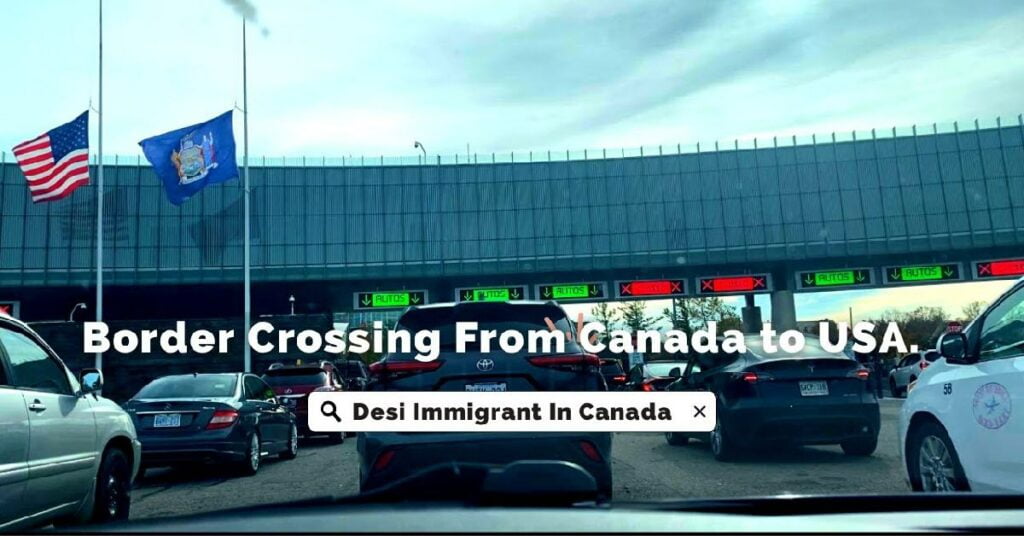
Long queues can turn a short drive into a half‑day ordeal. A few extra hours spent idling not only waste fuel but also add stress, especially when you’re on a tight schedule or traveling with kids.
Beyond personal inconvenience, prolonged stops have a ripple effect: freight companies miss delivery windows, tourism operators lose bookings, and border officers face higher workloads. Knowing the current conditions helps everyone keep moving.
Where to Find Real‑Time Data
The Canadian government maintains a dedicated portal that aggregates live updates from major crossings. Here’s where to look:
- Border Wait Times website (Canada.ca) – The official source, refreshed every 5‑15 minutes.
- CBSA Mobile App – Offers push notifications for selected crossings.
- Third‑party traffic apps – Some navigation tools now display border data alongside road conditions.
Official Portal Walkthrough
1. Open the CBSA Wait Times page.
2. Pick “Land Crossings” and choose the province or state you’ll enter.
Each location shows an estimated wait in minutes, plus a color‑coded bar (green = quick, yellow = moderate, red = heavy). If you click the name, a small map appears with traffic cameras, so you can verify the situation visually.
Using the Mobile App
The CBSA app lets you set “favorite” crossings. When you’re within a 30‑km radius, it sends a gentle alert if the wait climbs beyond a threshold you define. Handy for those last‑minute detours.
How to Use the Info for a Smoother Crossing
Having the numbers is only half the battle. Here are some tactics to translate data into a better travel experience.
- Plan around peak times. Weekends and holidays are notorious for spikes. If possible, aim for early‑morning departures (5 am–7 am) or late‑evening arrivals (after 8 pm).
- Choose an alternate crossing. If the Niagara bridge shows a 45‑minute delay, the Peace Bridge a few miles west might be under 10 minutes.
- Factor in processing type. Pedestrian lanes often move faster than commercial vehicle lanes. If you’re driving a car with a few passengers, you may benefit from the “Passenger” queue instead of the “All Vehicles” lane.
- Keep documents ready. Even a short wait feels longer when you’re fumbling for a passport or customs declaration.
Special Considerations for Different Travelers
Truckers, tourists, and local commuters each have distinct priorities.
Truck drivers should especially monitor the “Commercial Vehicles” tab, which sometimes lags behind general traffic. Many companies now integrate the API into fleet‑management software, allowing dispatchers to reroute trucks in real time.
Tourists may benefit from checking the “Pedestrian/Passenger” lane, as it typically clears quicker during off‑peak hours.
Residents of border towns often know the rhythm of their local crossing better than anyone else. Still, a quick glance at the official site can confirm whether today’s flow matches the usual pattern.
Tips for Staying Updated on the Road
Even the best pre‑trip research can be outdated by the time you hit the highway. Keep these simple habits in mind:
- Enable mobile data or use a roadside Wi‑Fi hotspot to refresh the portal every 20 minutes.
- Listen to local radio stations that broadcast border updates during rush hour.
- Follow the CBSA’s Twitter feed (@BorderCanada) for sudden alerts, such as weather‑related closures.
When to Expect the Biggest Delays
Historical patterns show three main windows where waits can balloon:
- Late‑July through early September – summer vacation traffic.
- Mid‑December to early January – holiday shopping rush.
- Long weekends (e.g., Canada Day, Thanksgiving) – cross‑border festivities.
During these periods, it’s wise to add at least an extra hour to your itinerary, even if the live feed looks clear when you depart.
Wrapping Up
Staying informed about Canadian border crossing wait times isn’t just a convenience; it’s a smart move that can save time, fuel, and frustration. By checking the official CBSA portal, leveraging the mobile app, and adjusting your route or schedule accordingly, you turn a potentially stressful checkpoint into a predictable part of your journey. Safe travels!