How to Choose and Maintain a TPMS Sensor for Your Car
Ever wondered why the little warning light on your dashboard sometimes flickers for no obvious reason? Chances are it’s your tire‑pressure monitoring system (TPMS) trying to tell you something. Understanding how TPMS works, picking the right sensor, and keeping it in good shape can save you time, money, and a few unexpected flat‑tire scares.
What Is a TPMS and Why Does It Matter?
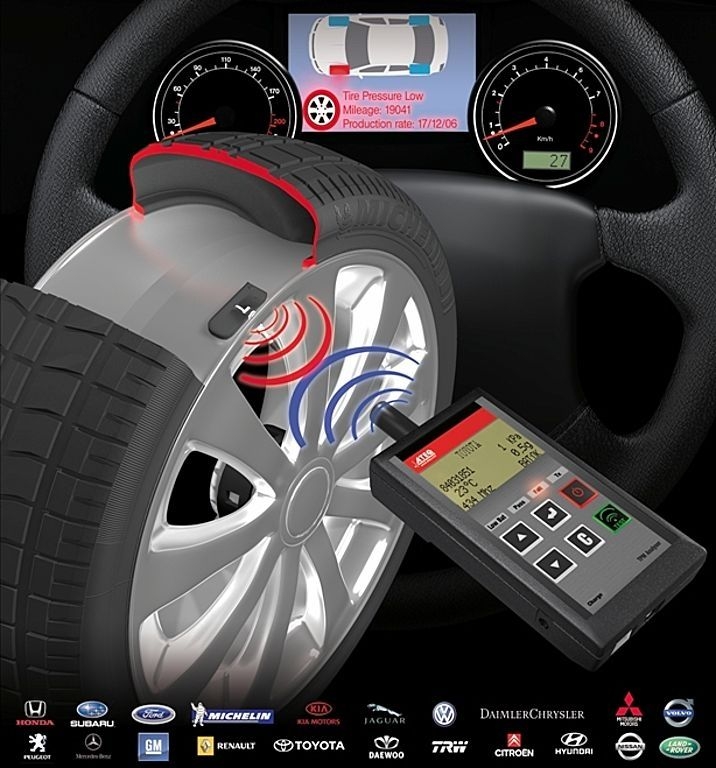
TPMS stands for Tire‑Pressure Monitoring System. In simple terms, it’s a network of sensors that constantly measure the air pressure inside each tire and transmit that data to the car’s computer. When pressure drops below a preset threshold, the system triggers a warning light.
Beyond the obvious safety benefit—preventing reduced grip and uneven wear—proper tire pressure improves fuel efficiency and extends the life of your tires. Ignoring the warning can lead to uneven tread wear, higher braking distances, and, in extreme cases, a tire blowout.
Types of TPMS Sensors
Not all sensors are created equal. Broadly, they fall into two categories:
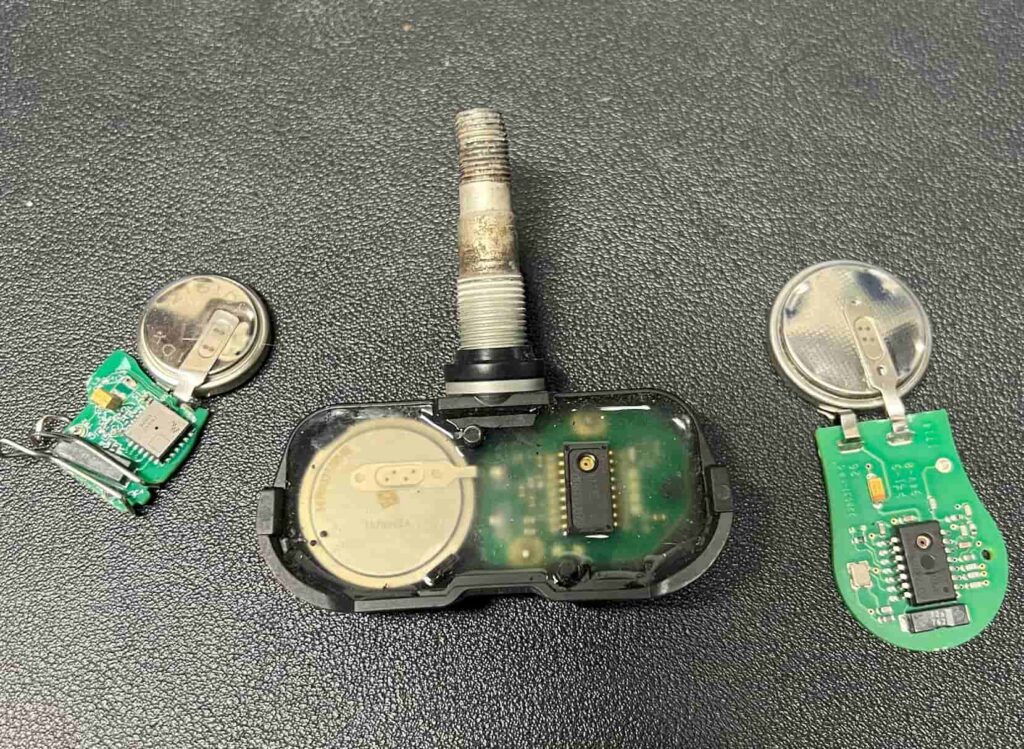
- Direct sensors: Mounted on the valve stem, they measure pressure (and sometimes temperature) in real time and send a radio signal to the receiver.
- Indirect sensors: Rely on the vehicle’s ABS wheel‑speed sensors to infer pressure differences; they don’t measure pressure directly.
Direct sensors are more accurate and respond faster, but they tend to be pricier. Indirect systems are built into many newer models as a cost‑effective solution, though they can be less precise when one tire is significantly under‑inflated.
Key Factors to Consider When Buying a Sensor
Choosing the right TPMS sensor isn’t just about price. Keep these points in mind:
Vehicle Compatibility
Every make and model has specific sensor specifications—frequency, battery life, and mounting style. Use the VIN or consult the owner’s manual to ensure a perfect match.
Battery Life
Most direct sensors use a non‑replaceable lithium battery expected to last 5‑10 years. Check the advertised lifespan; installing a sensor close to its end‑of‑life could mean a premature replacement.
Valve Stem Type
Sensors come with either a Snap‑On (removable) or Pre‑Mounted (built into the valve stem) design. Snap‑On units are easier to replace, while pre‑mounted models tend to be more compact and less prone to leaks.
Temperature Compensation
Pressure fluctuates with temperature. Sensors equipped with temperature compensation adjust the reading to reflect what the pressure would be at a standard 20 °C (68 °F). This feature is especially useful in regions with wide temperature swings.
Warranty and Support
A solid warranty (often three years) can save you headaches. Look for brands that offer free replacement if the sensor fails within the warranty period.
Installing a Direct TPMS Sensor: Step‑by‑Step
While you can hand the job to a professional, many DIY enthusiasts feel comfortable tackling it themselves. Here’s a practical rundown:
- Gather tools: a tire changer or a jack‑up set, valve core tool, and a torque wrench.
- Deflate the tire: release all air, then break the bead using the tire changer.
- Remove the old valve stem: unscrew the retaining nut, pull the stem out, and discard the old sensor.
- Insert the new sensor: align the threads, push it in until it seats fully, and tighten the nut to the manufacturer’s torque spec (usually around 30 Nm).
- Re‑mount the tire: place the bead back on, inflate to the recommended pressure, and check for leaks.
- Program the sensor: most cars require a brief re‑learn procedure—often a button press on the dash or a scan tool—to recognize the new unit.
If any step feels unclear, a quick glance at the vehicle’s service manual or a short YouTube tutorial can clear things up.
Maintaining Your TPMS Sensors
Once installed, sensors don’t need constant babysitting, but a little routine check won’t hurt.
- Inspect the valve stems for corrosion or damage during tire rotations.
- When rotating tires, keep track of which sensor goes on which wheel; mismatched placement can trigger false warnings.
- Schedule a sensor check during regular tire services—most shops will read the sensor IDs and note battery health.
- If the warning light flashes intermittently, it might indicate a weak battery rather than low pressure; a quick scan can confirm.
When to Replace a TPMS Sensor
Even the best sensors eventually give out. Look out for these signs:
- Persistent warning light after resetting pressure.
- Inconsistent readings that jump between high and low values.
- Vehicle mileage approaching the sensor’s rated battery life.
- Physical damage to the sensor body or valve stem.
Replacing a sensor typically costs between $50 and $120 per wheel, plus labor. Some owners opt for a “re‑programmed” unit (the same sensor, but with a fresh battery) if the model allows.
Cost‑Saving Tips
TPMS can feel pricey, but a few strategies help keep expenses in check:
- Buy in sets: purchasing four sensors together often nets a discount.
- Consider aftermarket brands: reputable third‑party manufacturers can be 30‑40% cheaper than OEM parts.
- Reuse the valve stem: if your car uses a removable stem, you might keep it and just replace the sensor cartridge.
- Combine services: have the shop reinstall sensors while you get a tire rotation or balance—bundling saves labor.
Common Misconceptions About TPMS
There’s a lot of folklore floating around forums. Let’s debunk a few:
- “You can ignore the light for a few days.” – Even short periods of under‑inflation affect fuel economy and tire wear.
- “All TPMS sensors are the same.” – Frequency (usually 315 MHz or 433 MHz) and data protocols vary by region and manufacturer.
- “You never need to reset the system.” – Anytime you replace a sensor, rotate tires, or change pressure, a quick reset ensures accurate monitoring.
Final Thoughts
TPMS may seem like a niche component, but it plays a surprisingly pivotal role in everyday driving safety and efficiency. By picking the right sensor type, installing it correctly, and staying on top of basic maintenance, you’ll keep that dashboard light at bay and enjoy smoother, more economical rides. And the next time the warning flashes, you’ll know exactly what to do—not panic, not ignore, but simply check the pressure and, if needed, replace the sensor.