How to Choose Between ESP32 and Arduino Uno for Your Project
Understanding the Core Differences
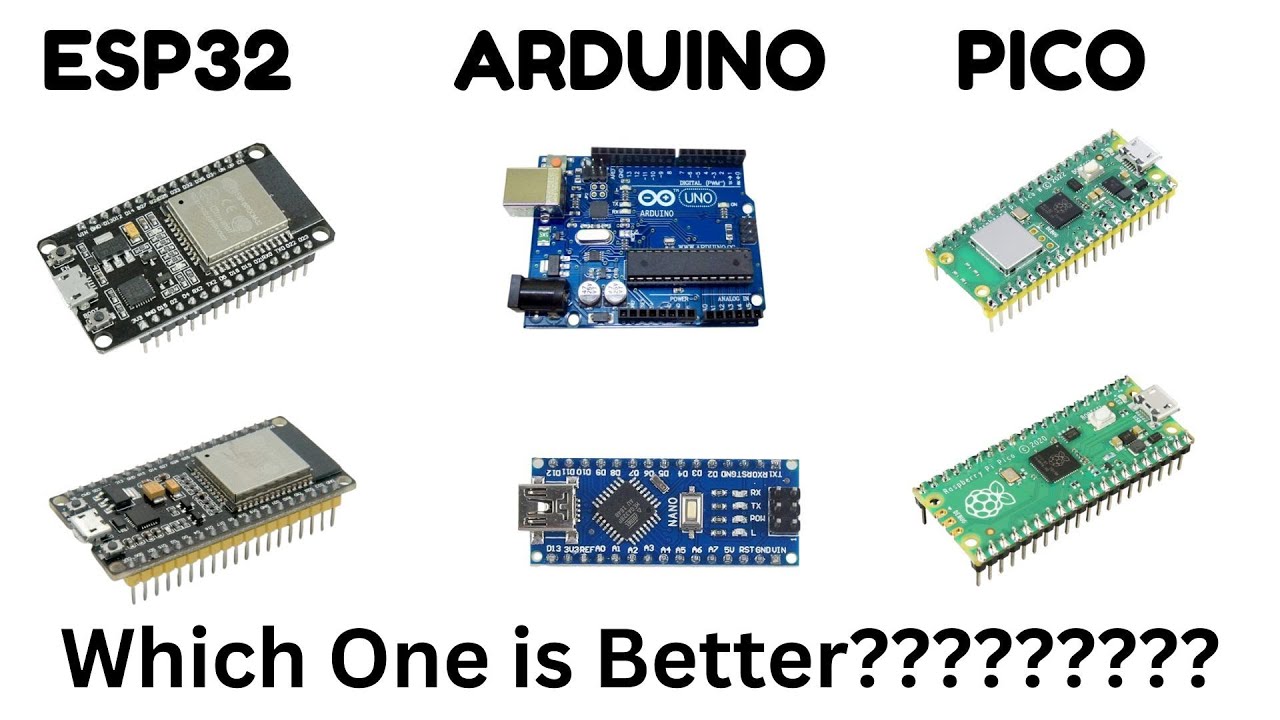
The ESP32 and Arduino Uno are both staple boards in the maker community, yet they serve distinct roles. The Uno, based on the ATmega328P microcontroller, is beloved for its simplicity and vast library support. In contrast, the ESP32 packs a dual‑core processor, Wi‑Fi, and Bluetooth—features that push it into the realm of Internet‑of‑Things (IoT) applications.
While both can blink an LED, the way they handle tasks under the hood diverges sharply. The Uno runs a single loop at modest clock speeds (16 MHz), which keeps power consumption low but limits multitasking. The ESP32’s 240 MHz cores, combined with a built‑in RTOS, let you run several operations concurrently without the need for external shields.
Key Factors to Weigh
1. Connectivity Needs
- Wi‑Fi/Bluetooth: If your project must talk to a cloud service, stream data, or communicate with a phone, the ESP32 wins hands‑down.
- Standalone or wired: For a simple sensor that logs to an SD card, the Uno’s serial capabilities are often enough.
2. Power Consumption
The Uno typically draws 20–30 mA when idle, making it a solid choice for battery‑powered gadgets that operate intermittently. The ESP32, with its radios, can spike above 200 mA during transmission, though its deep‑sleep modes can drop consumption to under 5 µA if programmed carefully.
3. Development Ecosystem
Arduino’s IDE is famously beginner‑friendly; a new hobbyist can compile and upload a sketch in minutes. The ESP32 can also be programmed via the Arduino IDE, but tapping its full potential often means delving into Espressif’s IDF or using MicroPython—steeper learning curves, but rewarding for advanced users.
4. Cost and Availability
At the time of writing, an Arduino Uno clone hovers around $5–$7, while an ESP32 dev board typically costs $6–$9. The price gap is narrow; the deciding factor becomes feature set rather than expense.
Practical Scenarios
Imagine you’re building a garden monitor. You need temperature, humidity, and occasional alerts on your phone. The ESP32’s Wi‑Fi lets you push data to a dashboard without extra modules. Conversely, a DIY traffic light controller that only cycles LEDs based on a timer could be wired up with an Uno, saving a few dollars and simplifying the code.
Programming Considerations
Both platforms share the Arduino language syntax, but the ESP32’s dual cores introduce concepts like task affinity and queue handling. If you’re comfortable with plain loops and delay(), the Uno feels natural. Should you need non‑blocking operations—say, reading a sensor while maintaining a Bluetooth connection—the ESP32’s FreeRTOS tasks become invaluable.
When to Combine Them
Sometimes the smartest solution isn’t an either/or choice. Pairing an Uno as a peripheral controller with an ESP32 handling communication can offload real‑time constraints. A simple I²C or Serial link lets each board focus on what it does best, extending the life of existing hardware.
Final Thought
Choosing the right board hinges on what you value most—connectivity, power efficiency, ease of use, or sheer cost. The ESP32 shines when wireless links and multitasking are essential; the Arduino Uno remains a reliable workhorse for straightforward, low‑power tasks. Align the board’s strengths with your project’s demands, and you’ll avoid a lot of rework down the line.