How to Choose Between the Toyota Corolla and Skoda Octavia
When it comes to midsize sedans, the Toyota Corolla and Skoda Octavia often find themselves side by side in showrooms and online comparisons. Both promise reliability, decent space, and a respectable list of features, yet they cater to slightly different priorities. Below we break down the most relevant aspects—design, performance, interior quality, technology, and ownership costs—so you can decide which car fits your lifestyle best.
Design and First Impressions
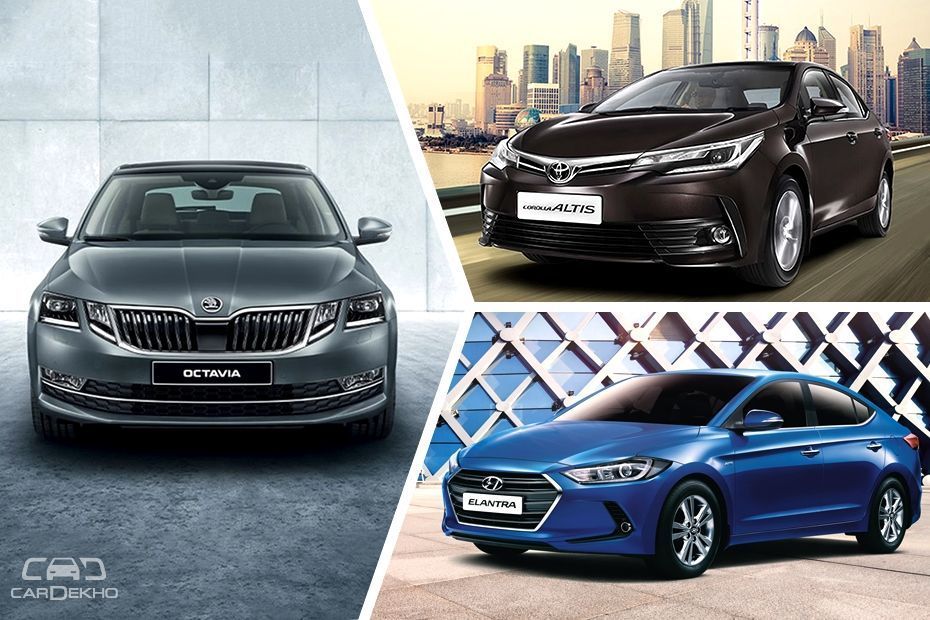
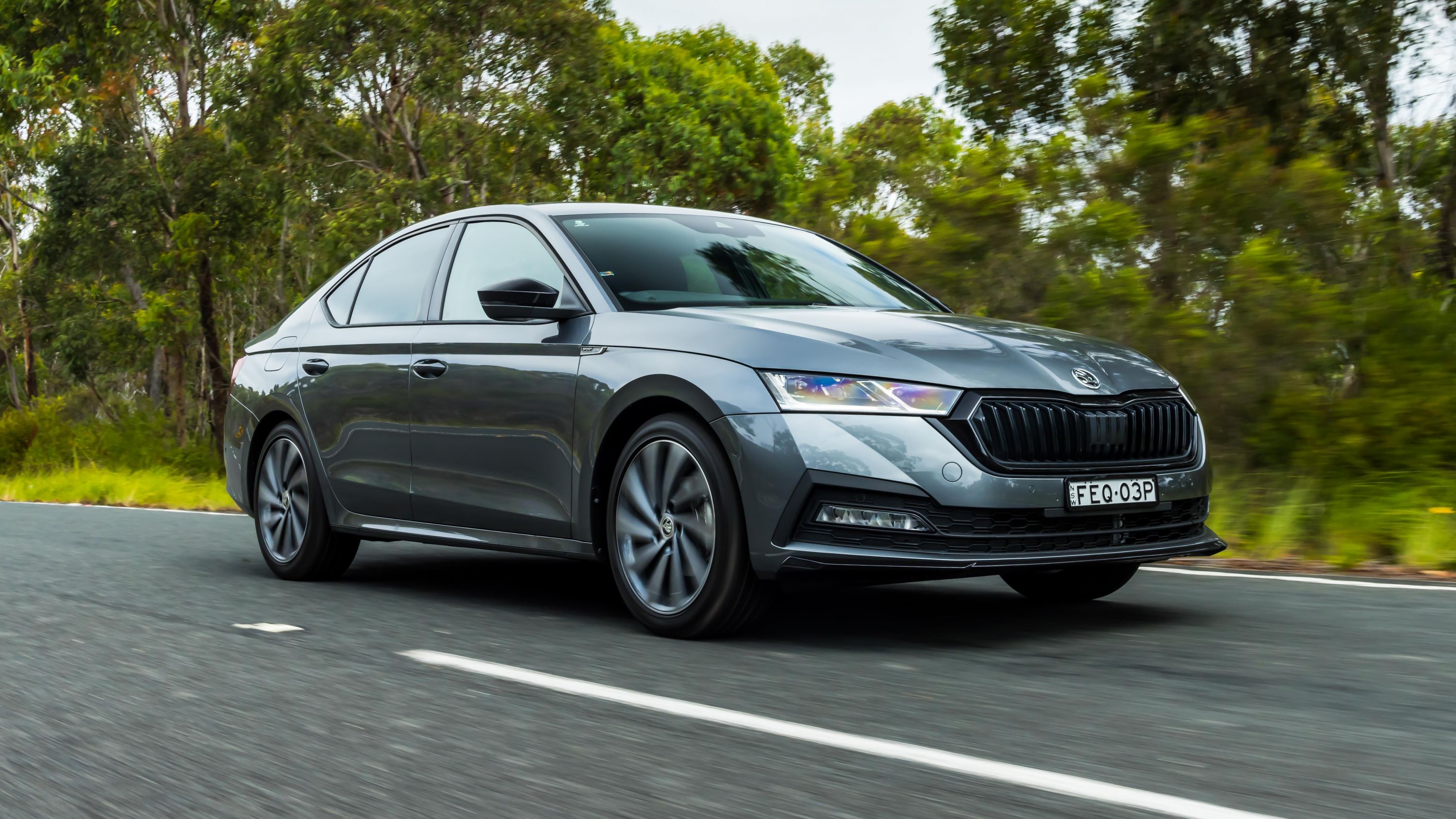
The Corolla leans toward a conservative, universally appealing look. Its sharp headlights and modest front grille give it a tidy, almost timeless silhouette. The Octavia, on the other hand, adopts a more European aesthetic: a broader stance, a bolder grille, and a silhouette that feels a bit sportier.
- Corolla: Clean lines, understated elegance, easier resale in markets that favor familiar styling.
- Octavia: Wider body, more aggressive front end, tends to attract drivers who enjoy a dynamic visual presence.
Both models score well on build quality, but the Octavia’s larger dimensions can make it appear more substantial on the road.
Performance and Driving Feel
Under the hood, the two sedans diverge noticeably. Toyota sticks with a proven 1.8‑liter four‑cylinder engine delivering around 139 hp, paired with either a smooth CVT or a six‑speed manual in some markets. It’s not a launch‑pad, but the powerband is linear and the engine feels comfortable for city commuting.
Skoda equips the Octavia with a choice of engines: a 1.5‑liter TSI petrol (≈150 hp), a 2.0‑liter TSI (≈190 hp), and a fuel‑efficient 1.6‑liter diesel (≈115 hp). The turbocharged options provide a livelier response, especially when overtaking on the highway.
- If you value a relaxed, predictable ride, the Corolla’s naturally aspirated engine is hard to beat.
- If you crave a bit more punch and don’t mind a turbo, the Octavia’s TSI units feel more engaging.
Interior Space and Comfort
Space is where the Octavia subtly pulls ahead. Its longer wheelbase translates into extra legroom for rear passengers and a larger trunk—about 590 L versus the Corolla’s 470 L. For families or those who frequently haul luggage, that difference shows up quickly.
The Corolla’s cabin feels more compact but is thoughtfully arranged. Soft‑touch materials line the dashboard, and the seats provide solid support on longer trips. The Octavia’s interior, while slightly more upscale in finish, can feel a touch austere if you opt for the base trim.
- Rear passengers: Octavia offers roughly 10 cm more legroom.
- Boot capacity: Octavia ≈ 590 L, Corolla ≈ 470 L.
- Material quality: Both use soft‑touch plastics; Octavia’s higher trims add leatherette.
Technology and Safety
Both sedans come equipped with a suite of driver‑assistance features, but the implementation differs slightly.
In the Corolla you’ll find Toyota Safety Sense as standard—pre‑collision system, lane‑keeping assist, adaptive cruise control, and automatic high beams. The infotainment screen is modest at 8 inches, but it’s intuitive and supports Apple CarPlay and Android Auto.
Skoda equips the Octavia with its “IQ Drive” package on higher trims, including adaptive cruise, lane‑assist, and a traffic jam assist. The central touchscreen starts at 9.2 inches and often includes a more extensive connectivity menu, though the base model may lack wireless phone integration.
- Standard safety: Corolla’s safety suite is easier to find on entry‑level models.
- Infotainment: Octavia offers a slightly larger screen and more customisation.
Fuel Efficiency and Running Costs
Efficiency is a classic Toyota strength. The Corolla’s 1.8‑liter engine typically clocks around 6.5 L/100 km in mixed driving, giving it an edge in daily fuel bills.
The Octavia’s 1.5‑liter TSI rivals that figure, but the more powerful 2.0‑liter variant can climb to 7.8 L/100 km. Diesel options, where available, deliver excellent mileage—often below 5 L/100 km—but they come with higher maintenance considerations.
Warranty coverage also matters. Toyota offers a 3‑year/100,000‑km warranty in many regions, while Skoda extends to 5 years/100,000 km in the EU, which can offset higher fuel usage for some owners.
Ownership Experience
Resale value is a traditional strong suit for Toyota. The Corolla retains a solid percentage of its initial price, partly thanks to its reputation for durability and widespread parts availability.
Skoda, as part of the Volkswagen Group, benefits from a robust dealer network in Europe and a growing presence elsewhere. The Octavia’s resale is respectable, though it can be more region‑dependent.
Maintenance intervals are similar—roughly every 10,000 km for oil changes—but the Corolla’s simpler engine tends to require fewer surprise repairs. The Octavia’s turbocharged units, while efficient, may demand more attentive care on long‑term usage.
Which One Wins for You?
There’s no definitive “winner” that applies to every driver. Consider the following quick checklist:
- If you prioritize low running costs, a proven reputation for reliability, and a generous safety suite from the get‑go, the Toyota Corolla is a safe bet.
- If you need extra cargo space, enjoy a more spirited engine, and value a more European design language, the Skoda Octavia may feel like a better fit.
Test drives remain the ultimate decider—feel the steering weight, listen to cabin noise, and gauge how each car accommodates your daily routine. Once you’ve experienced both, the choice becomes less about specs on a page and more about which cabin you’d rather spend your time in.