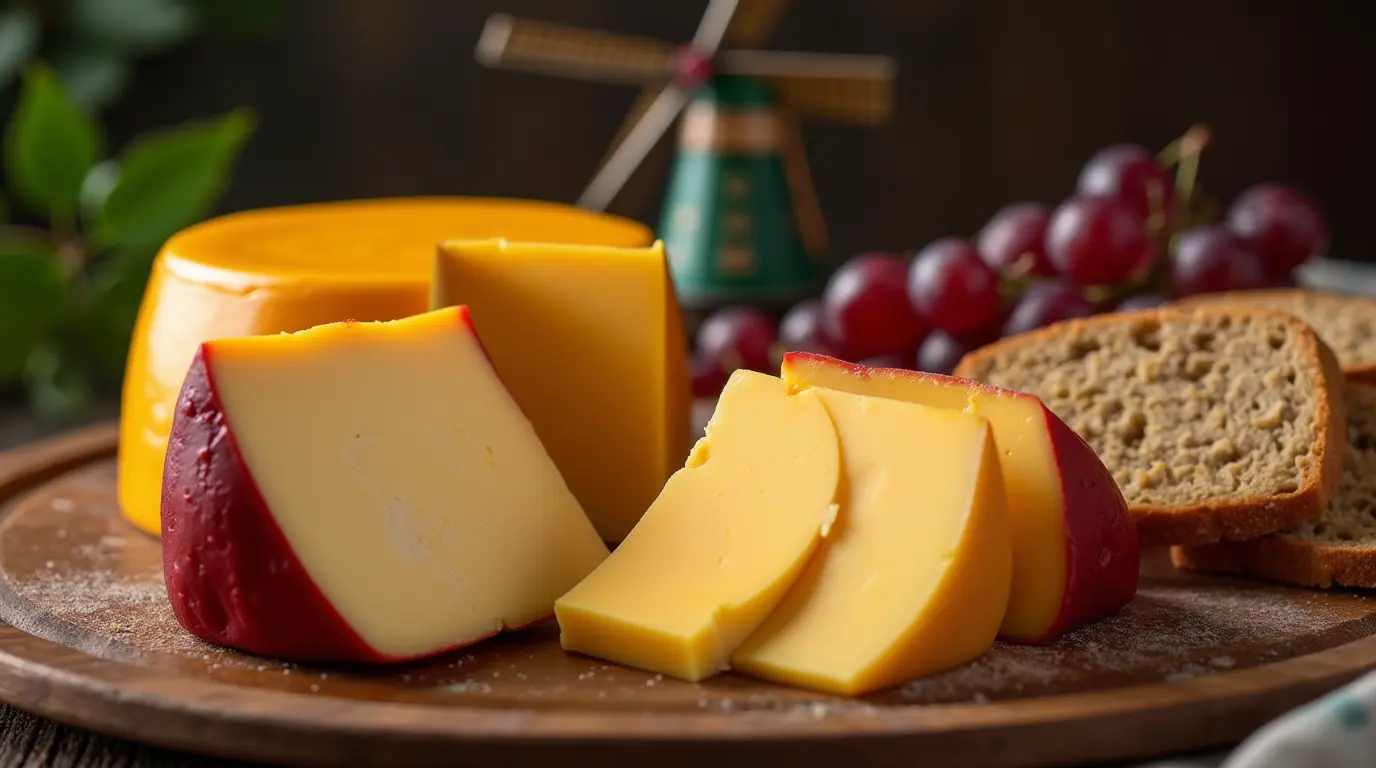
How to Choose, Store, and Enjoy Gouda Cheese Like a Pro
Gouda isn’t just a staple on cheese boards; it’s a versatile player that can shift from a buttery snack to a star in hearty dishes. Whether you’re wandering a farmer’s market or scrolling through an online cheese shop, knowing the basics can make the difference between a memorable bite and a bland one.
From Dutch Pastures to Global Tables
The story of Gouda begins in the Netherlands, where milk from local cows was traditionally pressed into round wheels and aged in cool cellars. Over centuries, the cheese traveled beyond its hometown, picking up subtle regional twists—smoky notes from the Netherlands’ north, a sharper punch in American artisanal versions.
Today you’ll find Gouda in three broad categories: young (under three months), aged (six months to a year or more), and flavored (infused with herbs, garlic, or even wine). Each brings its own texture and aroma to the table.
Spotting Quality: What to Look For
When you’re faced with a display of Gouda, keep these quick checks in mind:
- Color: Young Gouda is pale ivory, while aged wheels turn golden to amber.
- Surface: A natural rind should be supple, not cracked; excessive wax may hint at lower‑quality mass production.
- Smell: Fresh, milky hints for younger cheeses; caramel, nutty undertones for mature ones.
If you’re unsure, ask the cheesemonger about the milk source. Grass‑fed cows often lend a richer, more complex flavor profile.
Storing Gouma for Longevity
Even the best Gouda can lose its charm if mishandled. Follow these simple steps to keep it at its peak:
- Wrap the wheel in cheese paper or parchment, then loosely in aluminum foil—this lets it breathe while protecting it from drying out.
- Store in the vegetable drawer of your fridge, where temperature stays steady (around 4 °C or 39 °F).
- For chunks, keep them in a resealable bag with a slice of apple; the slight humidity helps maintain texture.
Remember: once cut, Gouda continues to develop flavors, so it’s actually a good idea to let a wedge sit out for about 30 minutes before serving.
Perfect Pairings: From Wine to Fruit
Pairing isn’t a hard‑and‑fast science, but certain combos have stood the test of taste.
Young Gouda
- Wine: Light, fruity whites like Chenin Blanc or a crisp Riesling.
- Fruit: Fresh apple slices or pear wedges.
- Extras: A drizzle of honey for a sweet‑savory contrast.
Aged Gouda
- Wine: Rich reds such as Malbec or a full‑bodied Cabernet.
- Fruit: Dried figs, apricots, or even a handful of toasted walnuts.
- Extras: A dab of whole‑grain mustard adds a zing that cuts through the cheese’s buttery depth.
Cooking With Gouda: Beyond the Cheese Plate
Don’t limit Gouda to snacking. Its meltability makes it a superb choice for both quick meals and upscale dishes.
- Mac and Cheese: Swap out sharp cheddar for a blend of young Gouda and a sprinkle of Gruyère for smoother, creamier sauce.
- Grilled Sandwiches: Layer aged Gouda with caramelized onions and a thin spread of fig jam before grilling.
- Soups: A dollop of melted Gouda can enrich a velvety cauliflower purée.
A quick tip: grate aged Gouda just before adding it to a hot pan. It softens evenly without clumping, thanks to its lower moisture content.
Health Nuggets You Might Not Expect
Like many dairy products, Gouda offers calcium and protein, but it also brings a few lesser‑known benefits:
- Contains vitamin K2, which supports bone health and cardiovascular function.
- Fermentation produces probiotics that can aid gut balance, especially in aged varieties.
- Higher fat content means it’s more satiating—just a modest slice can curb cravings.
Portion control remains key; a typical serving is about 30 g (one ounce), which delivers roughly 110 calories.
Common Mistakes to Avoid
Even seasoned cheese lovers slip up now and then. Here are pitfalls you can sidestep:
- Freezing: Gouda doesn’t freeze well; texture becomes crumbly.
- Over‑exposure to air: Leaving it unwrapped turns the rind dry and the interior grainy.
- Using pre‑shredded cheese for melting: Additives in pre‑shredded Gouda can hinder melt, leaving a gritty finish.
With these tips in your back pocket, you’ll navigate Gouda selections with confidence, store it properly, and experiment in the kitchen without fear. So the next time a wheel catches your eye, you’ll know exactly how to treat it—like a true cheese connoisseur.