How to Choose the Best Call of Duty Titles for 4 GB RAM PCs
Not every Call of Duty release runs smoothly on a modest machine. If your rig tops out at 4 GB of RAM, you’ll want to focus on versions that were built for the hardware of their time rather than the ultra‑high‑end specs of today’s consoles. Below, we walk through the most playable COD entries, explain why they fit a low‑memory setup, and give quick tips for squeezing out every last frame.
Why RAM Matters More Than You Think
Memory is the short‑term workspace where games load textures, AI data, and physics calculations. When a title asks for more than your system can provide, it compensates by swapping data to the hard drive—a process that drags performance down dramatically. In the Call of Duty series, the jump in RAM requirements became noticeable around the Black Ops II era; earlier games were comfortably designed for 2–3 GB.
That’s why the sweet spot for a 4 GB PC usually lies in titles released before 2012, with a few later exceptions that have modest graphical settings.
Top Picks for 4 GB RAM Machines
- Call of Duty 2 (2005) – A classic World War II shooter that still feels tight and responsive. Minimum RAM is listed at 1 GB, leaving plenty of headroom.
- Call of Duty 4: Modern Warfare (2007) – The game that defined modern shooters; its 2 GB requirement runs comfortably on a 4 GB rig, especially after disabling the optional high‑resolution textures.
- Call of Duty: World at War (2008) – Gritty, darker, and surprisingly light on resources. Even the co‑op missions stay smooth with a modest graphics tweak.
- Call of Duty: Modern Warfare 2 (2009) – The sequel pushes the envelope a bit, but keeping the resolution at 1280×720 and turning off anti‑aliasing keeps frame‑rates healthy.
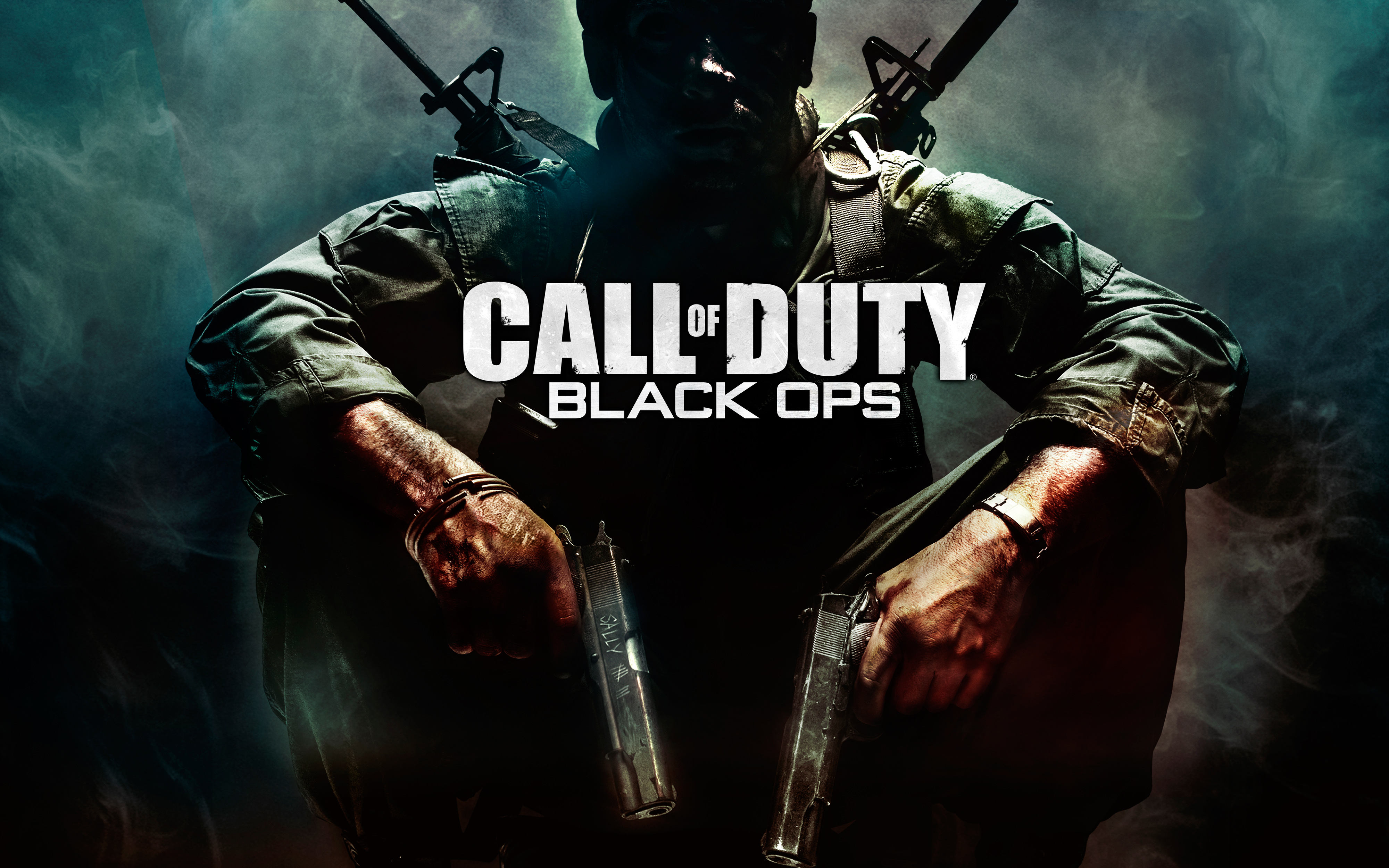
- Call of Duty: Black Ops (2010) – While the campaign can strain a 4 GB system at max settings, dialing down shadows and turning off ambient occlusion makes it perfectly playable.
- Call of Duty: Ghosts (2013) – Low‑End Mode – This title includes a “Low‑End” preset that trims texture quality and effects, allowing it to run on 4 GB if you’re willing to accept a softer visual style.
How to Optimize Each Game
General Settings Tweaks
- Set the display resolution to 1280×720 or lower.
- Disable or reduce multi‑sample anti‑aliasing (MSAA).
- Turn off motion blur and depth of field.
- Use “Low” or “Medium” texture packs whenever the option exists.
- Limit the draw distance to “Medium” or “Low.”
Specific Adjustments
Modern Warfare 2 – In the options menu, switch “Shadow Quality” to “Low” and uncheck “Dynamic Lights.” This alone can add 15–20 FPS on a 4 GB machine.
Black Ops – The “Visual Effects” slider has a hidden “Off” position; moving it just past the “Low” mark disables a lot of particle load without harming gameplay.
Ghosts Low‑End Mode – After selecting the preset, manually lower the “Texture Quality” from “Low” to “Very Low” for an extra buffer when you plan long multiplayer sessions.
When to Consider Upgrading
If you find yourself constantly toggling settings or experiencing stutters during intense firefights, it might be time to add a cheap DDR3 stick. The cost of a 4 GB upgrade is modest, and the performance boost is often immediate—not just for COD but for any modern title you decide to explore later.
Alternative Ways to Play on a Tight Budget
- Cloud Gaming – Services like NVIDIA GeForce Now stream the game from powerful servers, letting you play newer COD entries without taxing your local hardware.
- Emulators – Some older COD titles have well‑optimized PC ports; using a lightweight launcher can shave off unnecessary background processes.
- Mod Packs – Community‑made texture packs designed for low‑end PCs replace high‑resolution assets with smaller files, keeping the experience authentic while staying within memory limits.
Final Thoughts
Choosing the right Call of Duty game for a 4 GB RAM PC is less about hunting the newest release and more about matching a title’s original design constraints with today’s modest hardware. Stick to the early classics, apply the suggested tweaks, and you’ll still get the adrenaline‑pumping action the series is known for—without the frustration of constant lag.