How to Choose the Right Commercial Gym Equipment Rental
Opening a gym, launching a pop‑up fitness class, or expanding a corporate wellness space often comes with a mountain of decisions. One that can make or break your budget is whether to buy every piece of machinery or rent what you need. Below is a practical guide that walks you through the most important considerations, so you can get the right equipment without over‑committing.
Why Rent Instead of Buy?
Purchasing a full suite of treadmills, weight racks, and functional‑training rigs ties up capital that could be used for marketing, staffing, or even a better lease. Rental spreads those costs over time, turning a big upfront hit into manageable monthly payments. It also lets you stay agile—swap a rower for a new cardio machine as trends shift, without the hassle of reselling old gear.
Beyond cash flow, rentals often include service contracts that keep machines humming. When a belt wears out on a treadmill you’re leasing, the provider usually sends a technician at no extra charge. That peace of mind can be worth more than the difference in price between owning and leasing.
Key Factors to Evaluate
Not all rental agreements are created equal. Before you sign, take a close look at these elements:
- Contract length – Short‑term deals (3‑6 months) offer flexibility, while longer terms (12‑24 months) often come with lower monthly rates.
- Equipment variety – Does the provider stock the specific brands and models you prefer, from plate‑loaded benches to plate‑free resistance machines?
- Service level – Clarify response times for maintenance, parts replacement, and routine cleaning.
- Upgrade options – Some companies allow you to trade up to newer models mid‑contract for a nominal fee.
- Insurance coverage – Make sure liability and damage protection are either included or easily added.
Ask yourself which of these factors align with your business model. A boutique studio might prioritize frequent upgrades, while a large community center could value rock‑solid service guarantees.
Popular Rental Packages
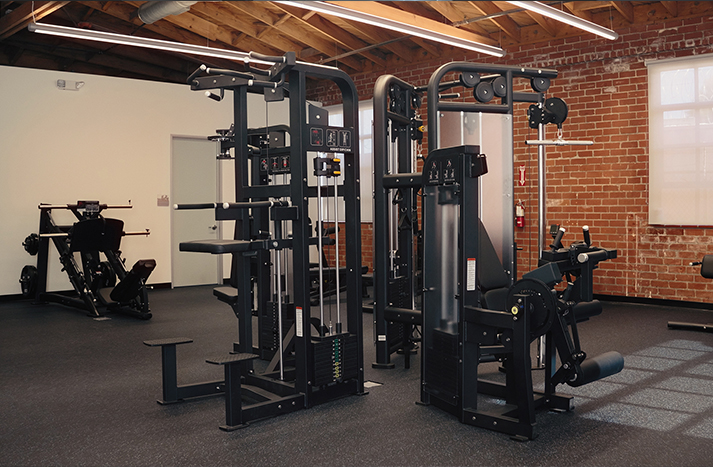
Most suppliers group equipment into themed bundles that match common gym layouts. A typical “Cardio Core” package could include two treadmills, a stationary bike, and an elliptical, while a “Strength Suite” might feature a power rack, adjustable bench, and a set of selectorized weight machines. Packages simplify ordering and often come with a discounted rate compared to picking items individually.
If you have a specific vision—say, a HIIT zone with battle ropes, sleds, and plyo boxes—look for à la carte options. Providers that offer modular kits let you build a custom floorplan without paying for unused machines.
Cost Considerations and Hidden Fees
The headline monthly price is just the beginning. Watch for setup charges, delivery fees, and taxes that can inflate the total cost. Some contracts also include a “wear‑and‑tear” surcharge, especially for high‑impact equipment like squat racks.
Read the fine print on early‑termination penalties. If you need to downsize or relocate before the lease ends, you could face a steep exit fee. On the flip side, many firms offer a “pause” clause that lets you suspend payments for a month or two during seasonal lulls—something worth negotiating up front.
Maintenance and Support
Regular upkeep is crucial for safety and longevity. A reputable rental service will schedule quarterly inspections, tighten bolts, and lubricate moving parts. They’ll also keep a log of any repairs, giving you a transparent record of the equipment’s condition.
When a machine breaks down, the speed of response matters. Ask for the average turnaround time—ideally less than 48 hours—and whether the provider carries a stock of spare parts on hand. Some companies even offer a “tech‑on‑call” hotline that connects you directly to a certified mechanic.
How to Get Started
Begin by mapping out the square footage you have and the types of workouts you plan to support. Sketch a floorplan, noting where power outlets, ventilation, and traffic flow will sit. This visual will help you communicate your needs clearly to potential renters.
Next, request quotes from three or four vendors. Compare not just the numbers but also the service packages, equipment age, and brand reputation. Don’t be shy about asking for references; a provider that’s proud of its track record will gladly share client testimonials.
Finally, negotiate the contract. Ask for a trial period—often one month—so you can test the machines in your space. If the trial goes well, you can lock in the agreed terms; if not, you have the option to walk away without a long‑term commitment.
Choosing the right commercial gym equipment rental is less about finding the cheapest deal and more about aligning cost, flexibility, and support with your business goals. With a clear plan and a few diligent questions, you’ll be able to outfit your facility confidently, keep members satisfied, and keep cash flow healthy.