How to Clean Up Your Credit Report and Boost Your Credit Line
When you glance at your credit report and see a few unexpected entries, the urge to ignore them can be strong. Yet those tiny errors or lingering debts often block a higher credit line, making everyday purchases feel tighter than they need to be. This guide walks you through a practical, step‑by‑step approach to tidy up your report and set the stage for a healthier credit limit.
Why Your Credit Report Matters for Your Credit Line
A lender’s decision to raise (or lower) your credit line hinges on three core factors: payment history, credit utilization, and overall debt profile. Your credit report is the ledger that records each of these elements. Even a single missed payment or a mis‑reported balance can tilt the scales against you.
- Payment history: The single biggest predictor of credit risk.
- Utilization ratio: How much of your available credit you’re actually using.
- Recent inquiries: Too many hard pulls can suggest you’re desperate for credit.
By cleaning up inaccuracies and strategically managing existing accounts, you improve the narrative that your report tells to potential creditors.
Step 1: Get Your Free Credit Reports
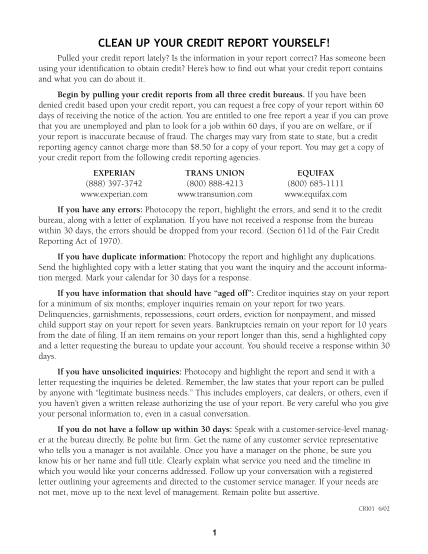
Under federal law you’re entitled to a free copy of your report from each of the three major bureaus—Equifax, Experian, and TransUnion—once every twelve months. Visit annualcreditreport.com to request them all at once. Download the PDFs, keep a separate folder for each bureau, and compare the entries side by side.
Step 2: Spot the Red Flags
Look for three common problem areas:
- Incorrect personal information: Misspelled names, wrong addresses, or outdated employment details.
- Duplicate accounts: The same loan or credit card listed twice can inflate your debt total.
- Outdated negative items: Late payments older than seven years should disappear, as should bankruptcies after ten.
If anything feels off, note the line number and the exact wording. Precision makes the dispute process smoother.
Step 3: Dispute Errors the Right Way
Each bureau offers an online portal, but you can also send a certified letter. Your dispute packet should include:
- A brief cover letter stating which item you’re contesting.
- Copies (not originals) of supporting documents—bank statements, payment confirmations, or court filings.
- The specific correction you’re requesting.
Send the packet via certified mail, return receipt requested. The bureau has 30 days to investigate and must send you the results in writing.
Step 4: Pay Down High Balances Strategically
Even after removing errors, a high utilization rate can keep your credit line stagnant. Here’s a quick triage:
- Target revolving accounts first: Credit cards with balances above 30% of their limit.
- Make multiple payments each month: This keeps the reported balance low without waiting for the billing cycle.
- Consider a balance transfer: Move debt to a card with a higher limit or a 0% intro rate, but watch for transfer fees.
Paying down debt not only improves your utilization ratio; it also signals to lenders that you can manage credit responsibly.
Step 5: Ask for a Credit Line Increase
Once you’ve cleared inaccuracies and lowered utilization, it’s time to request more credit. A few tips to boost your odds:
- Choose the right timing: After a recent on‑time payment or after you’ve reduced utilization to under 30%.
- Know your target: Asking for a modest 10‑20% increase feels less risky to the issuer.
- Be ready to explain: If a hard pull is required, briefly outline why the increase makes sense—steady income, improved credit score, or upcoming large purchase.
If the issuer declines, ask for the specific reason. Sometimes a simple “please re‑evaluate in six months” is all you need.
Step 6: Keep Your Credit Healthy Long Term
A clean report isn’t a one‑time achievement. Maintaining a strong credit line requires ongoing habits:
- Set up automatic payments to avoid missed due dates.
- Monitor your credit regularly—many banks now offer free alerts.
- Resist the urge to open multiple new accounts in a short period.
Think of your credit line as a garden. You’ve cleared the weeds, now keep watering and weeding so it continues to flourish.