How to Convert USA Time Zones to South Africa Time Quickly
Planning a call with a colleague in Johannesburg while you’re based in New York can feel like juggling clocks. The key is knowing which American time zone you’re in, whether daylight‑saving time (DST) is in effect, and how that lines up with South Africa’s single time zone. Below you’ll find a straightforward guide that walks you through the math, offers handy conversion tricks, and clears up common misconceptions about time differences between the United States and South Africa.
Understanding the time zones of the United States
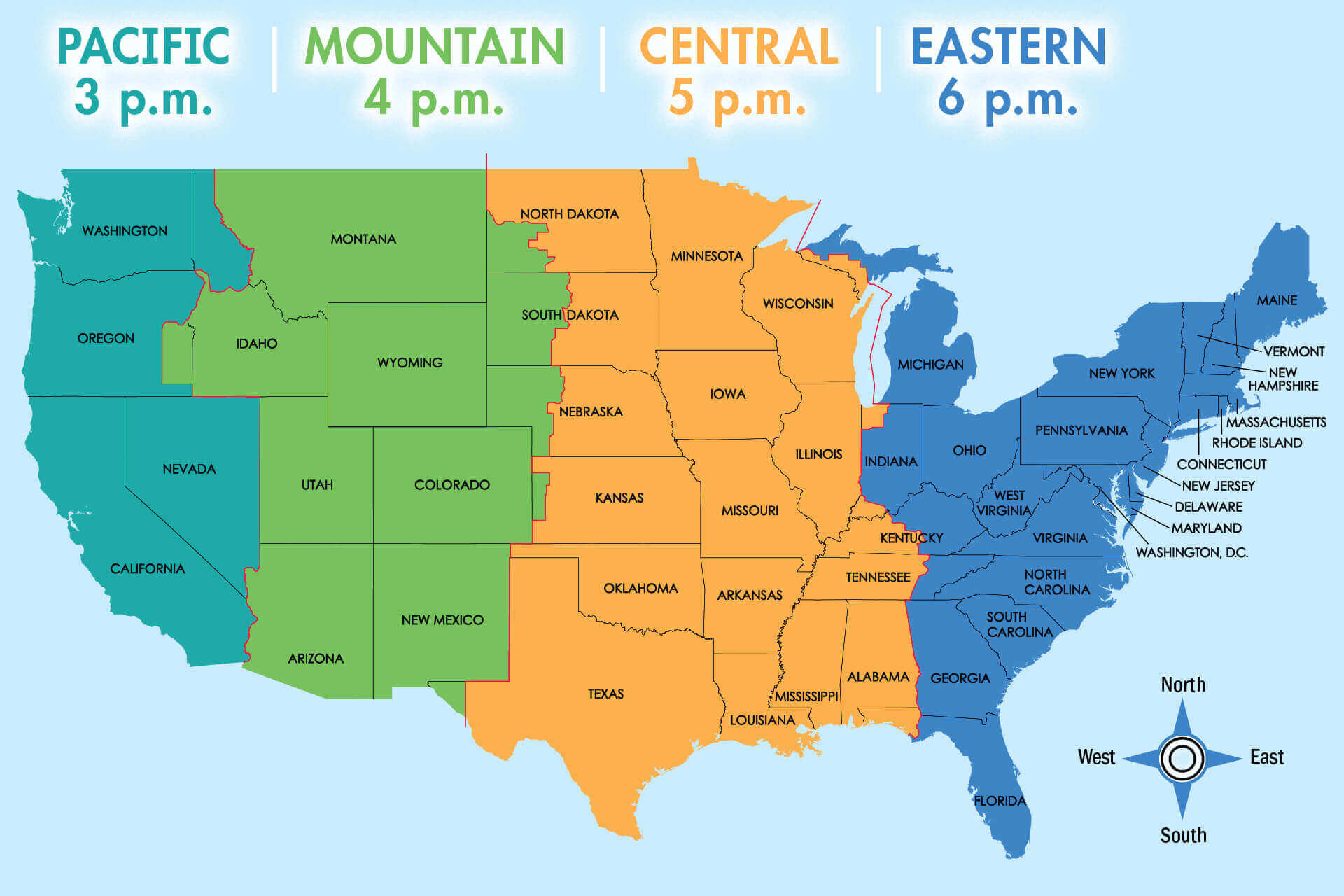
The United States spans six official time zones, from the Pacific coast to the eastern seaboard and beyond. Most travelers and business professionals only need the four “contiguous” zones:
- Pacific Standard Time (PST) – UTC‑8, shifting to UTC‑7 during DST.
- Mountain Standard Time (MST) – UTC‑7, shifting to UTC‑6 with DST.
- Central Standard Time (CST) – UTC‑6, shifting to UTC‑5 in DST.
- Eastern Standard Time (EST) – UTC‑5, shifting to UTC‑4 when DST applies.
Alaska (AKST/AKDT) and Hawaii‑Aleutian (HAST/HADT) are also part of the U.S., but they rarely intersect with South African business hours. Remember that DST starts on the second Sunday in March and ends on the first Sunday in November, which means the hour gap between the U.S. and South Africa can change twice a year.
South Africa’s single time zone
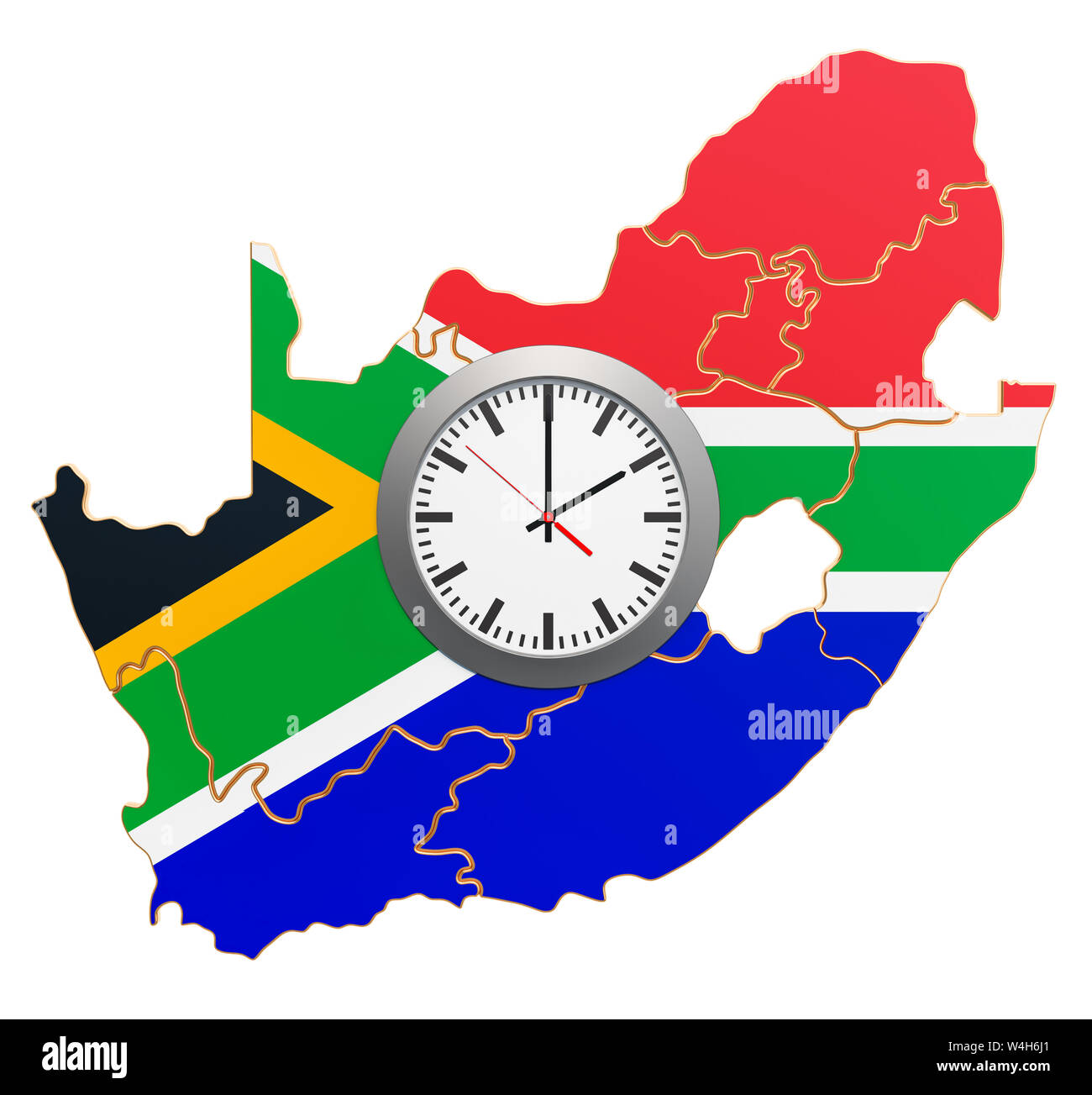
South Africa operates on South Africa Standard Time (SAST) year‑round, which is UTC+2. The country does not observe daylight‑saving time, so the offset remains constant regardless of the season. This consistency simplifies calculations: you only need to adjust for the U.S. side of the equation.
Calculating the difference: practical examples
Below are the typical hour differences you’ll encounter, split into “standard” (non‑DST) and “daylight‑saving” periods. All times are shown in 24‑hour format for clarity.
- PST to SAST: +10 hours (standard), +9 hours (DST).
- MST to SAST: +9 hours (standard), +8 hours (DST).
- CST to SAST: +8 hours (standard), +7 hours (DST).
- EST to SAST: +7 hours (standard), +6 hours (DST).
Let’s walk through a couple of real‑world scenarios.
Example 1 – Scheduling a morning meeting from New York (EST) in March. Suppose you want to start at 9 am EST. In early March, DST has not yet begun, so you add seven hours: 9 am + 7 h = 4 pm SAST. Your South African partner will join the call at 16:00 local time.
Example 2 – Coordinating a conference call from Los Angeles (PST) in July. DST is active, so you add nine hours. A 2 pm PST meeting becomes 11 pm SAST—well outside normal business hours. You might propose an earlier slot, say 10 am PST, which translates to 7 pm SAST, still manageable for many.
If you’re unsure whether DST is in effect, a quick rule of thumb is: from the second Sunday in March to the first Sunday in November, add one less hour than the “standard” difference listed above.
Tips for scheduling across the continents
Even with the math down, coordinating across time zones can still be tricky. Here are a few practical habits that reduce friction:
- Use a world‑clock app. Most smartphones let you add multiple cities; set “New York” and “Johannesburg” side by side.
- Confirm the date, not just the time. A meeting scheduled for “9 am EST” on a day when DST changes could shift by an hour if participants forget to update their calendars.
- Offer two time options. Present a slot that works comfortably for both parties, then let the other side pick the one that fits their schedule best.
- Document the time zone explicitly. In email invites, write “10:00 am CST (UTC‑6) / 4:00 pm SAST (UTC+2).” This leaves no room for ambiguity.
- Leverage online converters. Websites like timeanddate.com let you input a date and see the exact offset, accounting for DST automatically.
Finally, remember cultural context. In South Africa, the workday often extends a bit later than in the U.S., especially in the finance and tech sectors. Proposing a meeting at 6 pm SAST can still be acceptable, whereas the same hour would be 12 pm EST—perfectly reasonable for both sides.
Frequently Asked Questions
Do any U.S. states share the same time as South Africa?
No. The closest match is Eastern Daylight Time (EDT), which is UTC‑4, still three hours behind SAST (UTC+2). Even during standard time, the gap is at least five hours.
How does daylight‑saving time affect the U.S.–South Africa time difference?
During the U.S. DST period, the hour gap shrinks by one. For example, the difference between EST (UTC‑5) and SAST (UTC+2) is seven hours in winter, but it becomes six hours in summer when EST moves to EDT (UTC‑4).
Is there a simple rule to remember the offset without a calculator?
Yes. Start with the “standard” difference (add 7 h for EST, 8 h for CST, 9 h for MST, 10 h for PST). If you’re between the second Sunday in March and the first Sunday in November, subtract one hour from that figure.
What if I’m dealing with Alaska or Hawaii?
Alaska (UTC‑9/‑8) is 11 hours behind SAST in winter and 10 hours in summer. Hawaii stays at UTC‑10 year‑round, making a 12‑hour gap that never changes.