How to Craft a Winning Logo Proposal: Guide & Real Examples
When a client asks for a logo, the next step is often a formal proposal that outlines ideas, costs, and timelines. A well‑written logo proposal does more than list prices—it sells the concept, builds trust, and sets clear expectations. Below you’ll find a step‑by‑step walk‑through, plus real‑world examples you can adapt to your own workflow.
Why a Structured Proposal Matters
A solid proposal turns a vague conversation into a concrete project plan. It helps you:
- Show professionalism—clients feel more confident when they see a polished document.
- Define scope—no one wants surprise revisions after the first draft.
- Protect yourself financially—clear payment terms reduce the risk of late or missing invoices.
Essential Components of a Logo Proposal
1. Cover Page
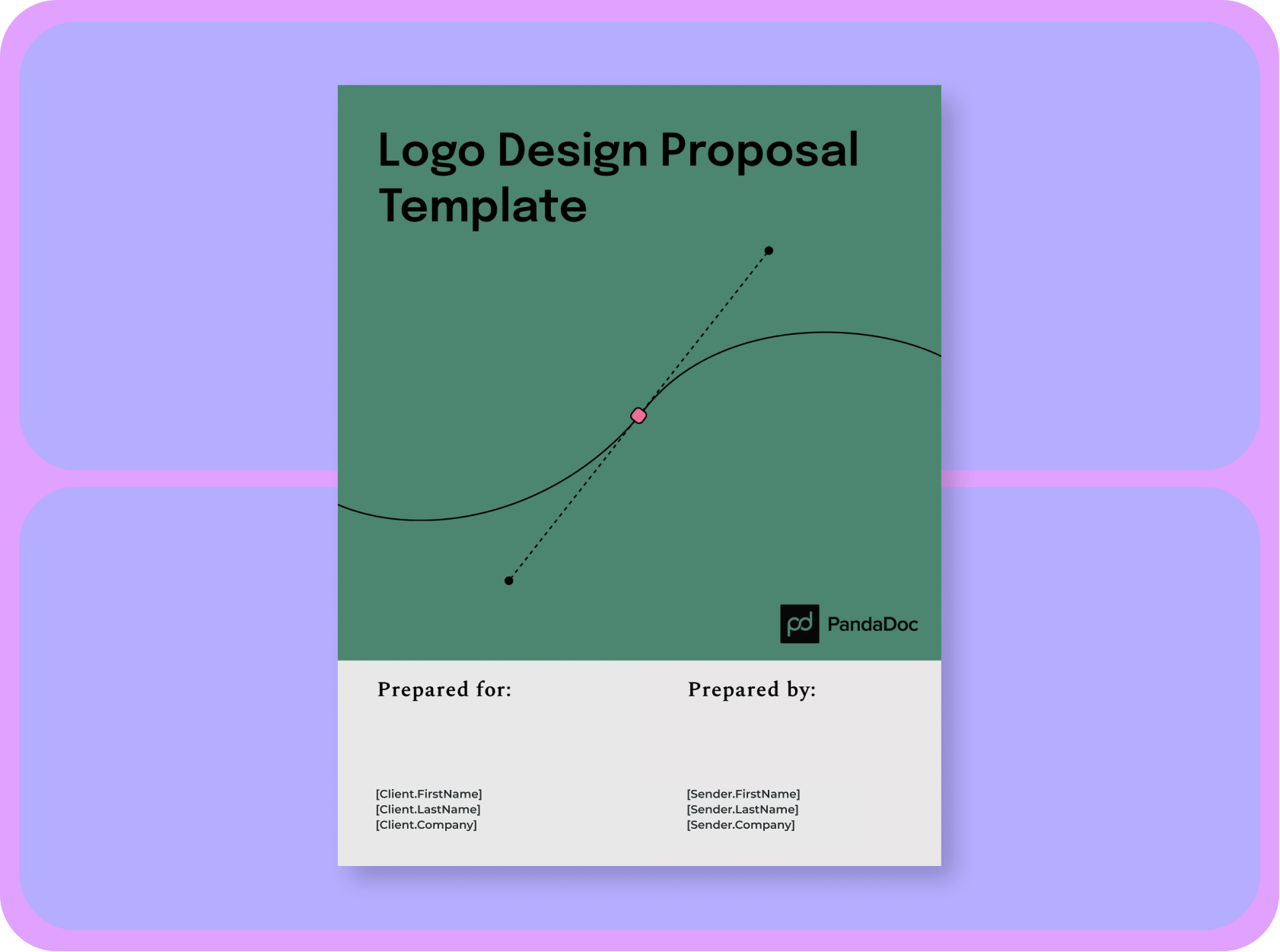
Keep it simple: your logo, the client’s name, project title, and the date. A clean cover sets the tone for the rest of the document.
2. Executive Summary
In two short paragraphs, answer the “what” and “why.” Explain the problem you’re solving and how your design approach will address it. This is the section most clients skim, so make it compelling.
3. Project Overview
Detail the client’s brief in your own words. This demonstrates you listened and understood their needs. Include:
- Brand values and personality
- Target audience
- Primary usage scenarios (web, print, signage, etc.)
4. Design Process
Break the workflow into digestible stages. For example:
- Research & Moodboard – gathering inspiration, color psychology, competitor analysis.
- Concept Development – sketching 3‑5 initial ideas.
- Refinement – polishing the chosen direction, exploring variations.
- Final Delivery – supplying logo files in all required formats.
Assign an estimated timeline to each phase so the client can see when milestones will occur.
5. Deliverables
List exactly what the client will receive, for instance:
- Primary logo (full‑color, black‑and‑white)
- Secondary or simplified versions
- Icon or favicon
- Brand guidelines PDF (color palette, typography, clear‑space rules)
- Source files (AI, EPS, SVG)
- Raster files (PNG, JPG) in multiple resolutions
6. Timeline
Provide a realistic schedule, including review windows. Example:
- Week 1 – Research & moodboard (client feedback due Day 5)
- Week 2 – Concept sketches (first review Day 12)
- Week 3 – Revisions and finalization (client sign‑off Day 18)
- Week 4 – Delivery of final assets (Day 22)
7. Pricing & Payment Terms
Transparency is key. Show a breakdown:
- Research & strategy – $300
- Concept development – $500
- Revisions (up to 2 rounds) – $200
- Final assets – $400
- Total – $1,400
Then state the payment schedule, e.g., 50 % upfront, 25 % after concept approval, 25 % on final delivery.
8. Terms & Conditions
Briefly cover ownership rights, revision limits, and cancellation policy. This section doesn’t need legal jargon—just enough to protect both parties.
Examples That Work
Example A: Startup Tech Brand
Executive Summary: “Your startup needs a logo that feels innovative yet approachable. I propose a geometric emblem combined with a clean sans‑serif typeface, reflecting both precision and friendliness.”
Deliverables: Primary mark, app icon, monochrome version, brand guide, and vector files.
Pricing: $2,200 total, split into three milestones.
Example B: Boutique Coffee Shop
Executive Summary: “A coffee shop thrives on warmth and community. The logo will fuse hand‑drawn script with a rustic coffee bean silhouette, evoking hand‑crafted quality.”
Deliverables: Signage‑ready logo, coffee cup stencil, menu template, and print‑ready PNGs.
Pricing: $1,150, with 40 % due at contract signing.
Tips for Making Your Proposal Stand Out
- Personalize the language. Replace generic placeholders (“Client Name”) with the actual name to show you’ve tailored the document.
- Show visual mockups. Even a low‑fidelity sketch on the proposal page signals confidence in your ideas.
- Highlight past successes. A short case study or testimonial can tip the scales in your favor.
- Keep design consistent. Use the same typography and color palette throughout the proposal as a subtle demonstration of branding skill.
- Offer optional add‑ons. Extras like a social‑media kit or animated logo can be listed as “optional upgrades” without inflating the base price.
Common Pitfalls to Avoid
Don’t overwhelm the client with jargon. Phrases like “vector scalability” are fine, but “typographic hierarchy modulation” will only confuse. Also, steer clear of vague timelines such as “as soon as possible.” Precise dates, even if approximate, look more professional.
Lastly, resist the urge to list every possible revision. Set a reasonable limit (usually two rounds) and state the cost of additional changes. This protects you from endless back‑and‑forth.
Final Checklist Before Sending
- Client name and project title appear on the cover page.
- All sections (summary, scope, process, deliverables, timeline, pricing, terms) are present.
- Numbers add up correctly and match the agreed‑upon budget.
- Document is proofread for spelling, grammar, and consistency.
- File is exported as PDF and named “YourCompany_LogoProposal_ClientName.pdf”.
With a clear structure, realistic pricing, and targeted examples, your logo proposal will feel less like a sales pitch and more like a roadmap to a brand’s visual future. Use the layout above as a template, tweak the language to match each client’s voice, and watch those “yes” replies start to roll in.