How to Decide If Philips Lumea Is Worth It for Hair Removal
When you hear IPL (intense pulsed light) mentioned in the world of smooth skin, Philips Lumea is often the first brand that pops up. But does the hype translate into real‑world results, or is it just another glossy gadget? Below we break down the tech, the costs, and the everyday experience so you can judge whether it’s a worthy addition to your beauty routine.
What Sets Philips Lumea Apart?
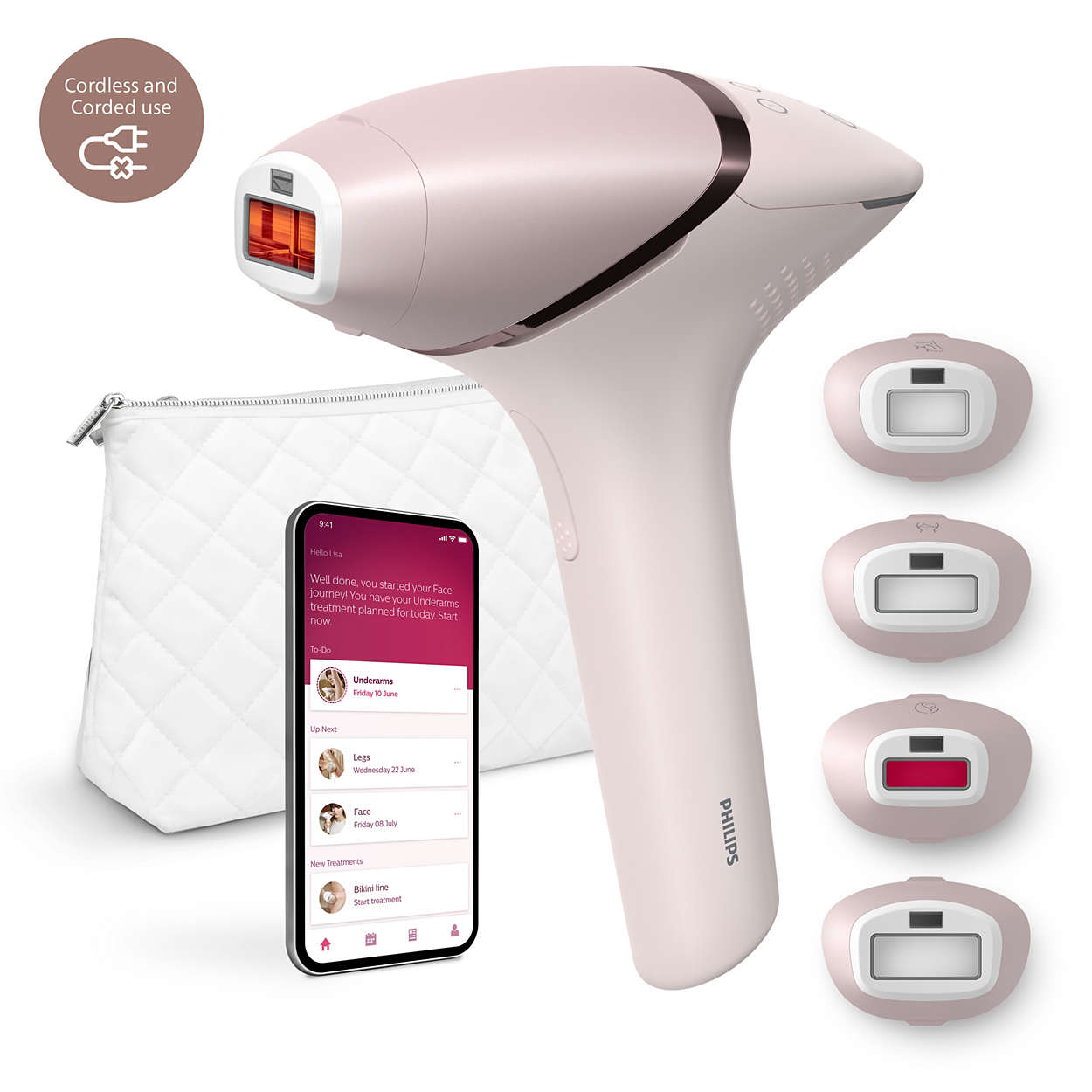
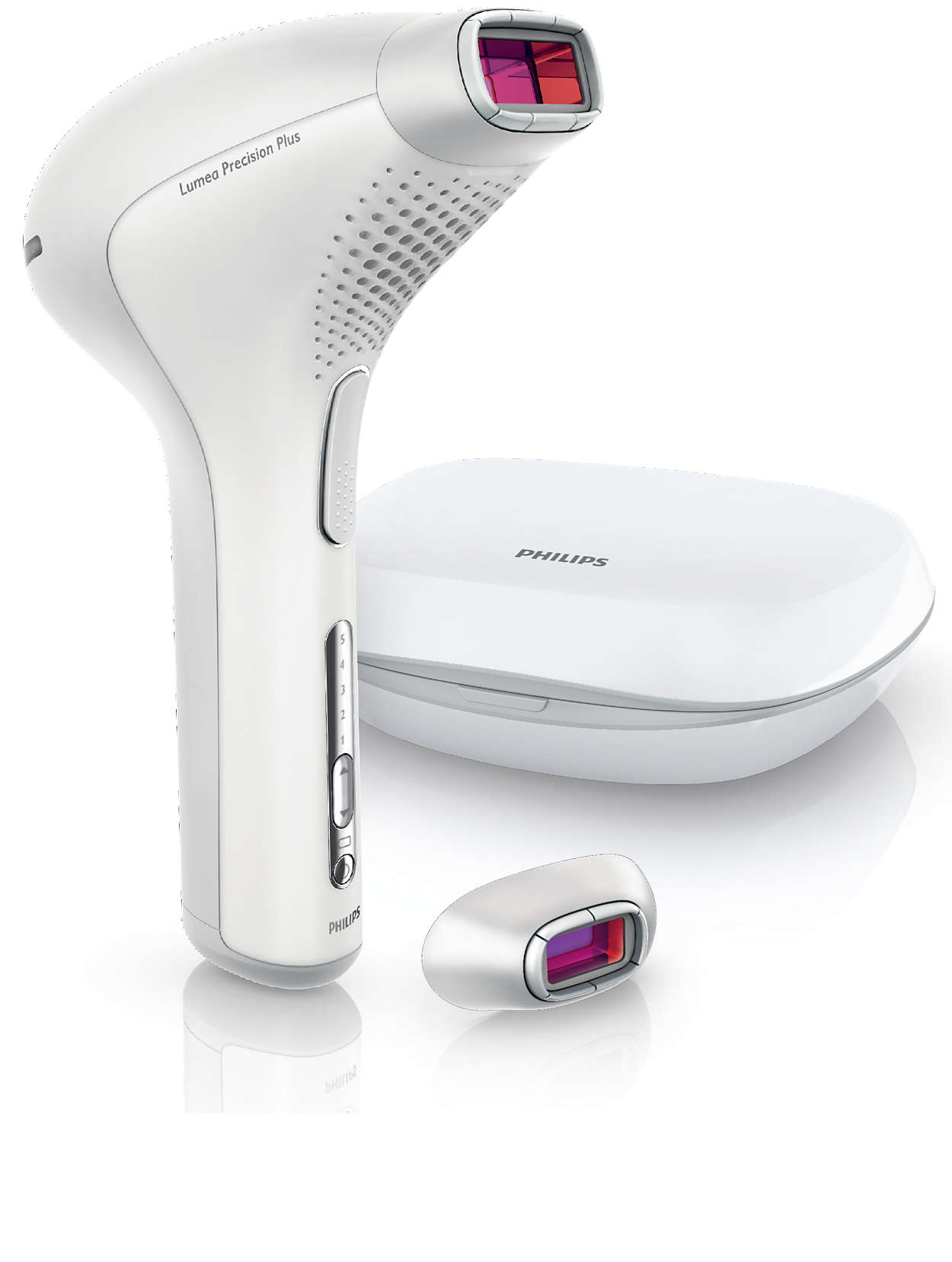
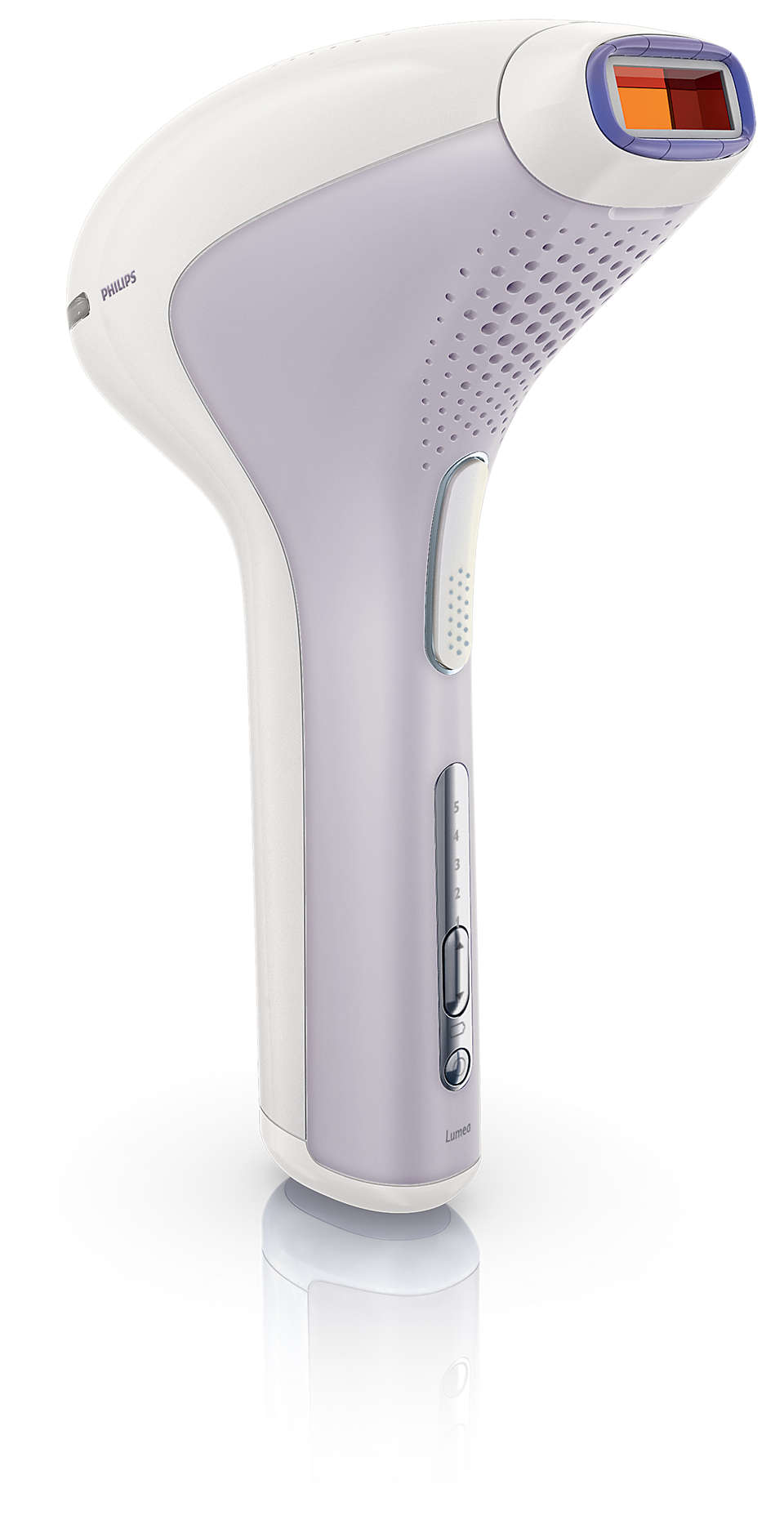
The device uses IPL technology to target melanin in the hair shaft, heating the follicle enough to slow regrowth. What feels different compared to other at‑home lasers is the SmartSkin sensor that reads your skin tone and automatically adjusts the energy level.
- Four intensity levels for customizable treatment.
- Built‑in skin‑tone sensor prevents overtreatment.
- Attachments for body, face, and bikini line.
These features sound impressive, but they also bring up questions about safety and effectiveness across diverse skin types.
Effectiveness: How Long Does It Really Take?
Most users notice a reduction in hair density after the first few sessions, yet the full result typically emerges after 6 to 8 treatment cycles. That translates to about two months if you follow the recommended schedule (once a week, then every two weeks).
Bear in mind that “permanent reduction” is the legal phrasing on the box. Hair may grow back lighter or finer, but occasional touch‑ups are usually required. If you have very dark skin or very light hair, the device might struggle because IPL needs a clear contrast between pigment and skin.
Cost vs. Value: Crunching the Numbers
At retail, Philips Lumea sits in the $300‑$500 range depending on the model. Compare that to a single professional IPL session that can run $75‑$150 per area. Over a year, a few professional visits could quickly eclipse the upfront cost of the device.
However, consider the hidden expenses:
- Replacement cartridges (if applicable) – roughly $30‑$40 each.
- Electricity usage – negligible but worth noting.
- Potential need for a professional touch‑up if results plateau.
For those who value the convenience of treating at home and are comfortable with a learning curve, the investment often pays off.
Who Should (and Shouldn’t) Use It?
Ideal candidates:
- Light‑to‑medium skin tones (Fitzpatrick I‑III).
- Dark, coarse hair on legs, arms, underarms, or bikini line.
- People who prefer a no‑appointment routine.
Better to skip:
- Very dark skin (Fitzpatrick IV‑VI) – risk of hyperpigmentation.
- Very fine, blonde or gray hair – IPL may not see the pigment.
- Those with active skin conditions or recent tanning.
Real‑World Experience: What Users Say
On forums and review sites, a common thread is the “learning period.” First‑time users often report slight tingling or a warm snap sensation, which fades as the skin adapts. A handful of reviewers mention occasional redness that disappears within a few hours.
Positive feedback highlights the speed of each session (often under five minutes for a leg) and the satisfaction of seeing a noticeable thinning after the fourth treatment. On the flip side, a minority express disappointment when hair reappears sooner than expected, prompting a quick reminder that results vary.
Maintenance: Keeping the Device in Shape
Cleaning is straightforward: a quick wipe with a damp cloth after each use, and a deeper cleaning of the light window every few weeks. The device’s automatic lock feature prevents accidental flashes, which is a handy safety net if you’re storing it in a bathroom drawer.
Bottom Line: Is It Worth It?
If you fit the “ideal candidate” profile, enjoy the idea of DIY hair reduction, and are ready to commit to the recommended schedule, Philips Lumea can deliver smooth skin with fewer salon visits. The upfront cost is higher than a single razor, but the long‑term savings and convenience often justify it.
Conversely, if you have a skin tone that falls outside the safe range, or you’re after an instant, permanent solution, you might be better off exploring professional laser clinics or sticking with traditional methods.