How to Decode and Fix the Oil Level Warning in Your VW Golf
What the Light Really Means
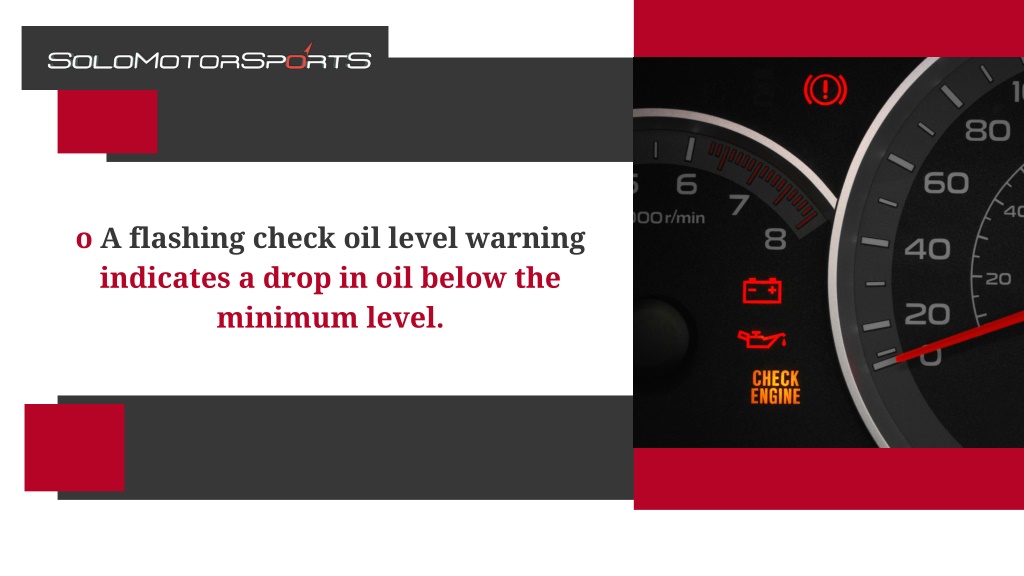
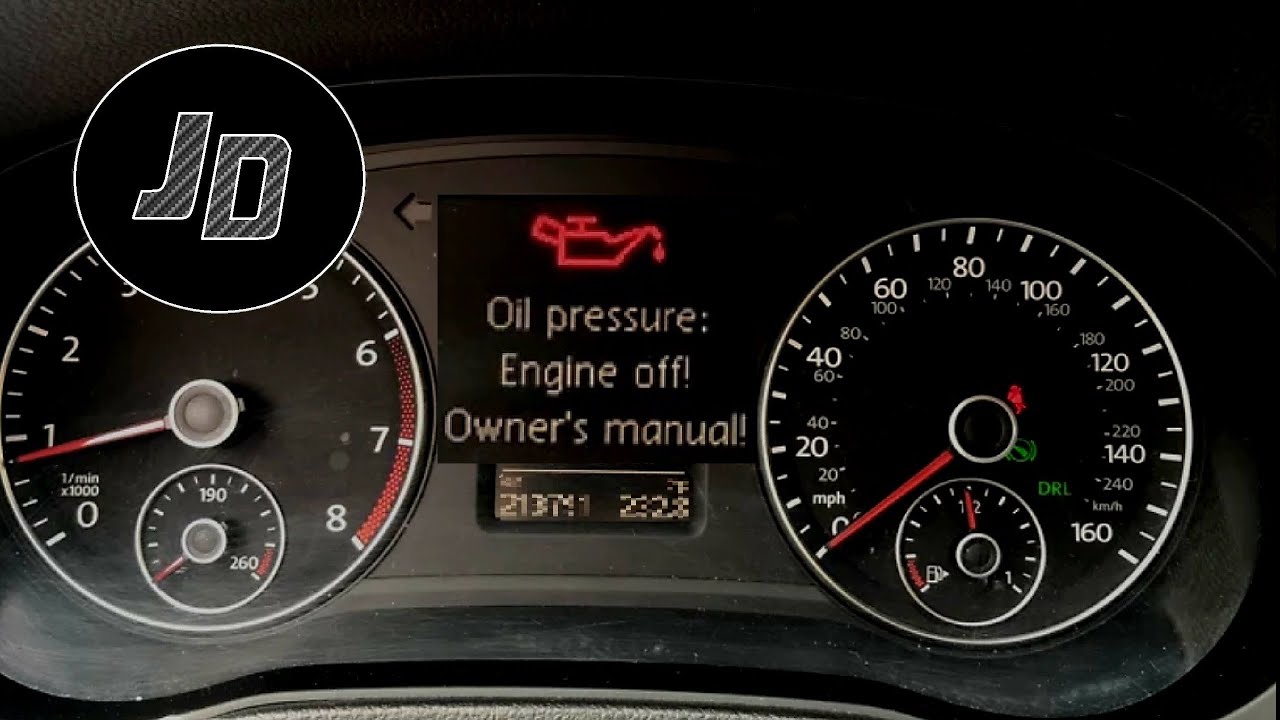
The oil level warning lamp on a VW Golf isn’t just a nuisance; it’s the car’s way of saying something isn’t right with lubrication. When the bulb flickers or stays solid, the engine control unit has detected either low oil pressure, insufficient oil quantity, or a sensor fault. Ignoring it can lead to increased wear, overheating, or, in extreme cases, catastrophic engine damage.
Typical Triggers for the Warning
Most owners encounter this alert after a long drive, a cold start, or after topping up oil. The usual suspects include:
- Oil level truly low because of consumption or a leak.
- Oil pressure dropping due to a clogged filter or a failing pump.
- Faulty oil sensor or wiring issues that send false signals.
- Using the wrong oil viscosity, which can affect pressure readings.
Identifying the root cause saves both time and money, so a systematic approach is worth the effort.
How to Check the Oil Level the Right Way
Before you reach for any tools, park the Golf on level ground, turn the engine off, and wait a minute for the oil to settle. Pull out the dipstick, wipe it clean, re‑insert fully, then pull it out again. The film should sit between the “Min” and “Max” marks. If it’s below “Min,” you need to add oil immediately.
When the level looks fine yet the warning stays on, the issue likely lies elsewhere—perhaps pressure or sensor related. In that case, a deeper dive is warranted.
Step‑by‑Step Fixes You Can Do Yourself
1. Refill with the Correct Oil
Consult the owner’s manual for the recommended viscosity (often 5W‑30 for recent Golf models). Pour a little at a time, re‑checking the dipstick after each addition. Overfilling can be just as harmful as low oil, so stop once the film reaches the “Max” line.
2. Replace the Oil Filter
A clogged filter restricts flow, causing low pressure. Unscrew the old filter, lubricate the new filter’s seal with a dab of fresh oil, and tighten it by hand—no more than a three‑quarter turn beyond finger‑tight.
3. Inspect the Oil Pressure Sensor
The sensor sits near the oil pump and is accessible from under the engine cover. Disconnect the electrical connector, check for corrosion, and gently wiggle the sensor; a loose fit can trigger the lamp. If the sensor looks damaged, replace it with an OEM part.
4. Check for Leaks
Look around the oil pan, valve cover gasket, and drain plug for fresh oil. A slow leak may not be obvious until the level drops enough to set off the warning. Tighten any loose bolts and, if the gasket is deteriorated, replace it.
5. Reset the Warning Light
After addressing the issue, the light may need a manual reset. Turn the ignition on without starting the engine, press the trip reset button (or use the infotainment menu under “Vehicle Settings”) until the warning disappears, then start the car to confirm it stays off.
When to Call a Professional
If the oil level is adequate, the filter is fresh, and the sensor appears intact, yet the warning persists, the problem could be deeper—perhaps a failing oil pump or internal engine wear. These conditions require diagnostic tools that read real‑time oil pressure and may involve disassembling parts of the engine. A certified VW technician can perform a pressure test and pinpoint the malfunction.
Preventive Habits for Long‑Term Peace of Mind
- Schedule oil changes every 10,000 km or as the manual suggests, whichever comes first.
- Stick to the manufacturer‑approved oil type; synthetic blends often offer better stability for modern Golf engines.
- Periodically inspect the oil dipstick and visual oil condition; dark, gritty oil signals the need for a change.
- Keep an eye on the oil pressure gauge (if equipped) during long climbs or heavy traffic; sudden drops deserve attention.
Quick FAQ
Q: Does the oil level warning blink before it stays solid?
A: Yes, a blinking light usually indicates low pressure, while a solid light can mean the sensor detected low quantity or a fault.
Q: Can I ignore the warning if the dipstick reads normal?
A: It’s risky. Normal level doesn’t guarantee proper pressure; a faulty sensor could still be hiding a pump issue.
Q: How long can I drive with the warning on?
A: Only a short distance—ideally less than a mile—to a safe location where you can check the oil or call for assistance.
Q: Is the oil pressure sensor the same as the oil level sensor?
A: No. The pressure sensor monitors flow resistance, while the level sensor (or dipstick) measures quantity. Some Golf models combine functions, which can blur the distinction.