How to Define, Capture, and Amplify the Impact of News Photography
When a photo appears on the front page, you instantly feel the pulse of the story. That snap isn’t just a picture; it’s a visual shortcut that shapes public opinion, sparks conversation, and sometimes even redirects the course of events. Understanding what makes a news photograph work—and how to create one—helps both aspiring photographers and curious readers see beyond the image.
What Exactly Is News Photography?
At its core, news photography is a visual form of journalism. It documents real‑time events—political rallies, natural disasters, everyday moments that later become historic—and delivers them with immediacy. Unlike art photography, which often prioritizes personal expression, news images must balance truthfulness with storytelling.
Key traits include:
- Timeliness: The photo must arrive while the story is still fresh.
- Objectivity: Minimal staging; the scene should speak for itself.
- Contextual relevance: The image should add depth to the accompanying text.
Preparing to Capture the Moment
Good preparation often looks like invisible work. Most photographers spend hours researching the event, scouting locations, and testing gear. When the day arrives, that groundwork lets them focus on the decisive instant.
Know Your Gear—and Its Limits
Speed matters. A fast‑shooting DSLR or mirrorless camera with a wide‑angle lens is a staple, but even a high‑end smartphone can work if it offers quick autofocus and low‑light performance. Remember to set a high burst rate, enable ISO auto‑adjust, and keep extra batteries handy.
Understand the Narrative
Ask yourself: What’s the human angle? Who are the people living this story? A photo of a protest sign is powerful, but a close‑up of a tearful participant can carry even more weight. Align your visual focus with the story’s emotional core.
Techniques for Capturing Impactful Images
There’s no universal formula, but a few tried‑and‑true methods help translate chaos into clarity.
- Use the rule of thirds: Position the main subject off‑center to create dynamic tension.
- Play with perspective: Kneel, climb, or shoot from a low angle to alter the viewer’s relationship to the scene.
- Watch the light: Early morning or late afternoon provides dramatic shadows; harsh midday sun can flatten details.
- Freeze or blur: A fast shutter freezes motion—ideal for a falling flag—while a slower shutter can blur crowds, conveying movement.
Don’t forget ethics. Avoid manipulating the scene after the fact; crop, adjust exposure, and convert to black‑and‑white are generally acceptable, but adding or removing elements crosses the line.
From Capture to Publication: The Journey of a News Photo
Once the shutter clicks, the work isn’t over. The image must travel through several checkpoints before reaching a reader’s eyes.
Selection and Editing
Editors typically receive dozens of shots from a single event. They look for clarity, composition, and relevance. A quick Photoshop touch—balancing contrast or removing a stray glare—can make a photo newsroom‑ready, but heavy retouching is frowned upon.
Caption Crafting
A well‑written caption does more than label. It offers context, names, locations, and sometimes a hint of the underlying narrative. Think of it as a bridge between visual and text.
Distribution Channels
Traditional print still values powerful imagery, but digital platforms amplify reach. Social media, mobile news apps, and even newsletters now showcase photos alongside short, punchy headlines. Optimizing file size without sacrificing quality is essential for fast loading on phones.
Measuring the Impact of a News Photograph
Impact isn’t always quantifiable, yet a few indicators can hint at a photo’s resonance.
- Shares and comments: A surge in social engagement often reflects emotional connection.
- Follow‑up coverage: When other outlets reuse the image, it signals newsworthiness.
- Historical citation: Decades later, a photo that appears in documentaries or textbooks has clearly left a mark.
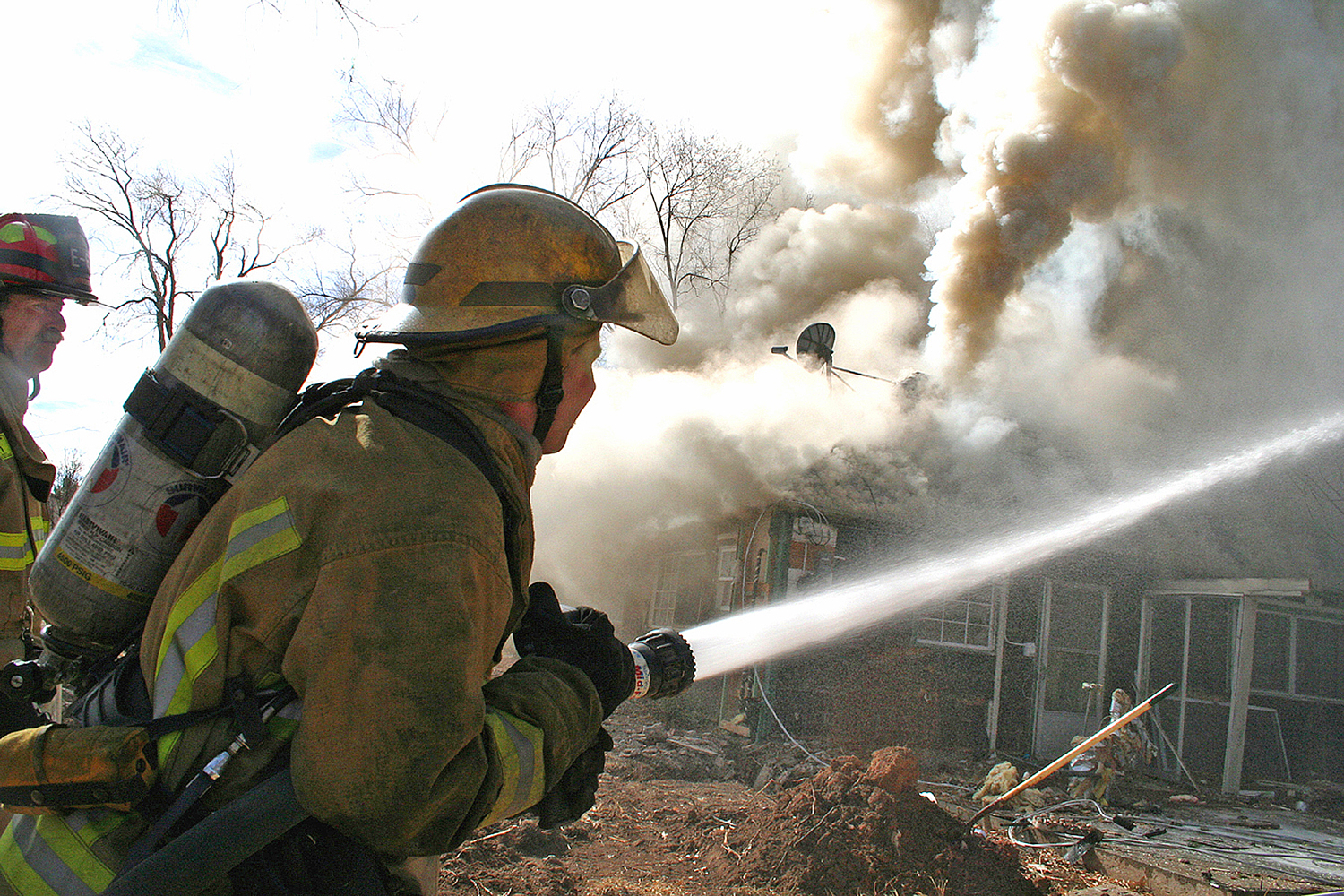
Sometimes the most lasting images are the ones that capture an unspoken truth—a child’s clenched fist at a march, a firefighter’s soot‑covered face, a silent street after a storm. Those moments linger because they speak louder than any headline.
Tips for Aspiring News Photographers
If you’re just starting out, keep these practical pointers in mind:
- Carry a lightweight kit; speed is everything.
- Blend in—don’t let the camera become a barrier between you and the subject.
- Stay informed; knowing the political or cultural backdrop helps you anticipate key moments.
- Practice ethical judgment; your credibility hinges on honesty.
- Build a portfolio that showcases diverse situations—sports events, courtrooms, street festivals—to demonstrate versatility.
Remember, the most compelling news photos often emerge from moments you didn’t plan for. Being ready, attentive, and respectful lets you seize those fleeting slices of reality before they dissolve.