How to Distinguish SEO, Local SEO, and Global SEO Strategies
When someone mentions “SEO,” the first image that pops into most heads is a vague, all‑encompassing push to rank higher on Google. Yet the reality is far richer: there’s generic SEO, then the more focused flavors of local and global SEO. Understanding where each fits can save you time, budget, and a fair share of headaches.
What “Regular” SEO Actually Covers
At its core, search engine optimization (SEO) is the practice of tweaking a website so search engines deem it valuable and relevant. It’s a blend of technical tweaks, content creation, and off‑site reputation building. Think of it as the foundation‑level toolkit that any website should have.
- Technical fundamentals: site speed, mobile‑friendliness, proper indexing.
- On‑page work: keyword‑rich titles, meta descriptions, header hierarchy.
- Off‑page signals: backlinks, social mentions, brand authority.
None of these elements inherently target a specific geography; they aim for visibility wherever a user might type in a query.
Zooming In: Local SEO
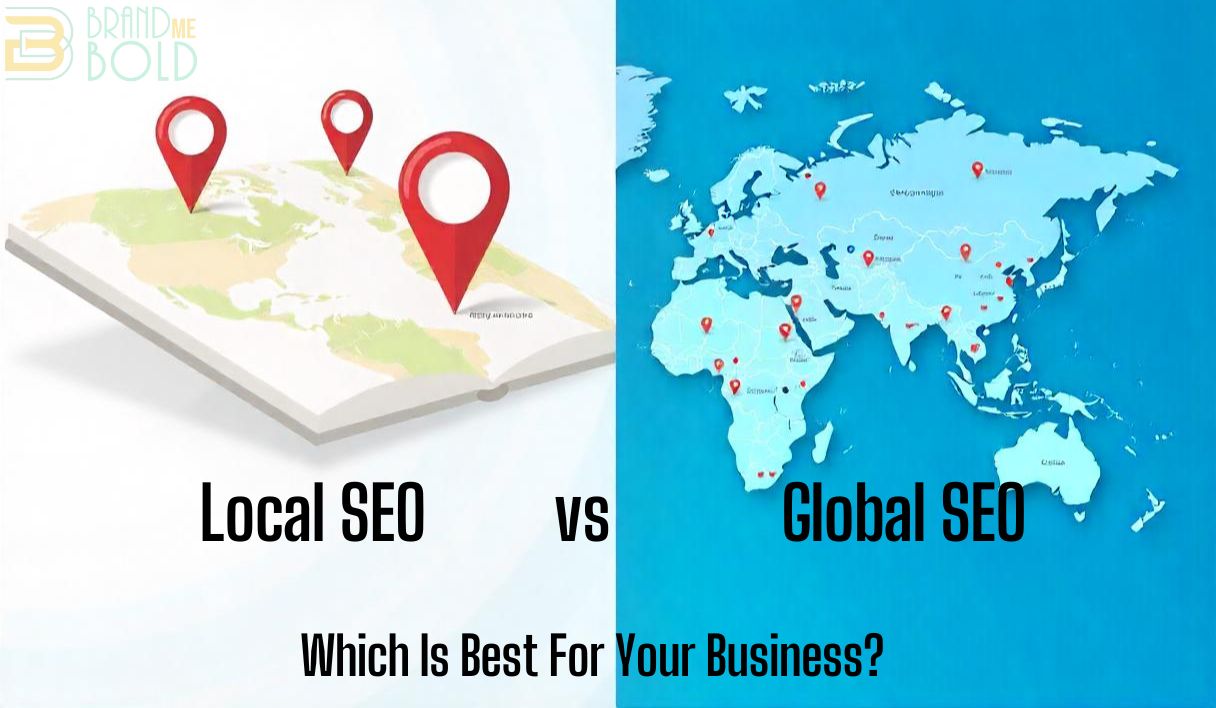
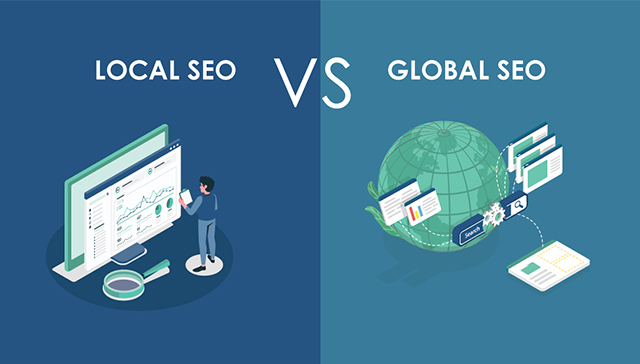
If your business serves a particular town, city, or region, local SEO is the compass that points nearby customers right to your doorstep. Google My Business (now “Google Business Profile”), local citations, and geo‑targeted content become the main players.
Key Local Signals
- NAP consistency: Name, address, and phone number must match across listings.
- Google Business Profile: Keep it updated with hours, photos, and reviews.
- Local backlinks: Partnerships with community sites, chambers of commerce, local news.
- Geo‑specific pages: “Plumbing services in Austin, TX” rather than a generic “Plumbing services.”
Because local search often triggers a map pack, the visual component is just as critical as the text. A well‑optimized profile can land you in the coveted “3‑pack” and drive foot traffic almost instantly.
Thinking Bigger: Global SEO
Now imagine you’re selling a software tool that anyone worldwide can download. Geographic borders become less relevant, and your focus shifts to language, cultural nuances, and international search habits.
Challenges Unique to Global SEO
- Hreflang tags: Tell search engines which language or regional version of a page to serve.
- Country‑code TLDs (ccTLDs): Domains like .fr or .jp can boost trust in specific markets.
- Content localization: Beyond translation—adapt idioms, units, and cultural references.
- International link building: Earn backlinks from reputable sites in each target country.
Unlike local SEO, where a handful of city‑specific citations might do the trick, global SEO often requires a network of regional teams or agencies who understand the subtleties of each market.
How to Choose the Right Approach for Your Business
There’s no one‑size‑fits‑all answer, but a quick audit can point you in the right direction.
- If you have a single storefront or serve a limited radius, double down on local SEO.
- If you run an e‑commerce site that ships worldwide, start layering global SEO on top of your core SEO base.
- For service‑based businesses with multiple locations, blend local pages with a solid generic SEO strategy.
It’s also common to run them in parallel—think of a chain restaurant that needs local pages for each city, yet also benefits from overarching brand authority.
Metrics That Matter for Each Strategy
Watching the wrong numbers can be misleading. Here’s a quick cheat‑sheet:
| Strategy | Top KPI |
|---|---|
| General SEO | Organic traffic volume, keyword rankings, domain authority |
| Local SEO | Google Business Profile views, map pack clicks, local citation count |
| Global SEO | International organic sessions, hreflang errors, country‑specific click‑through rates |
When you see a dip in, say, local map pack impressions, you know the issue likely lies in NAP consistency rather than overall site speed.
Practical First Steps to Get Started
Even if you’re not a seasoned marketer, a few actions can set the stage.
- Audit your current website. Use free tools to check mobile usability and page speed.
- Claim or update your Google Business Profile. Add photos, respond to reviews, and verify your address.
- Identify target markets. List the countries or regions you want to reach and research their primary search engines (Google, Baidu, Yandex, etc.).
- Implement hreflang tags. Start with the languages you already support; you can expand later.
- Build localized content. Write a blog post addressing a common question in each market, then translate and adapt as needed.
These steps don’t require a massive budget, but they lay a clear path for scaling up later.
Common Misconceptions to Watch Out For
People often conflate “local” with “small” and “global” with “expensive.” In reality, a well‑optimized local page can outperform a generic one even for a nationwide brand, while a simple, multilingual landing page can capture international traffic without a full‑blown global campaign.
Another pitfall is assuming that rankings automatically translate to sales. Especially with local SEO, a high‑ranking listing won’t matter if your business hours are wrong or you have no phone line answered.
Bottom Line
SEO isn’t a monolith; it’s a spectrum ranging from the generic to the hyper‑targeted. By recognizing where your business sits on that line, you can allocate resources wisely—optimizing your site’s technical health, nurturing local citations, or crafting culturally resonant global content. The real advantage comes from treating each layer as part of a cohesive strategy rather than isolated silos.