How to Draft a Solid Nebraska LLC Operating Agreement
Starting an LLC in Nebraska is only half the battle; the real safeguard lies in the operating agreement. Think of it as the rulebook that tells members how the business runs, who does what, and what happens if things go sideways. Below, we break down the essential pieces you need, why they matter, and a few practical tips to keep the document both thorough and manageable.
Why a Written Agreement Matters in Nebraska
Even though Nebraska law permits an LLC to operate without a written contract, courts tend to look first to the operating agreement when disputes arise. A solid agreement can:
- Define each member’s ownership percentage and voting rights.
- Lay out profit‑and‑loss allocations, making tax time less confusing.
- Specify procedures for adding or removing members, preventing awkward “who’s in charge?” moments.
- Protect personal assets by demonstrating the LLC’s separate legal existence.
In short, it’s the difference between a smooth partnership and a courtroom drama.
Key Components Every Nebraska LLC Agreement Should Include
1. Company Basics
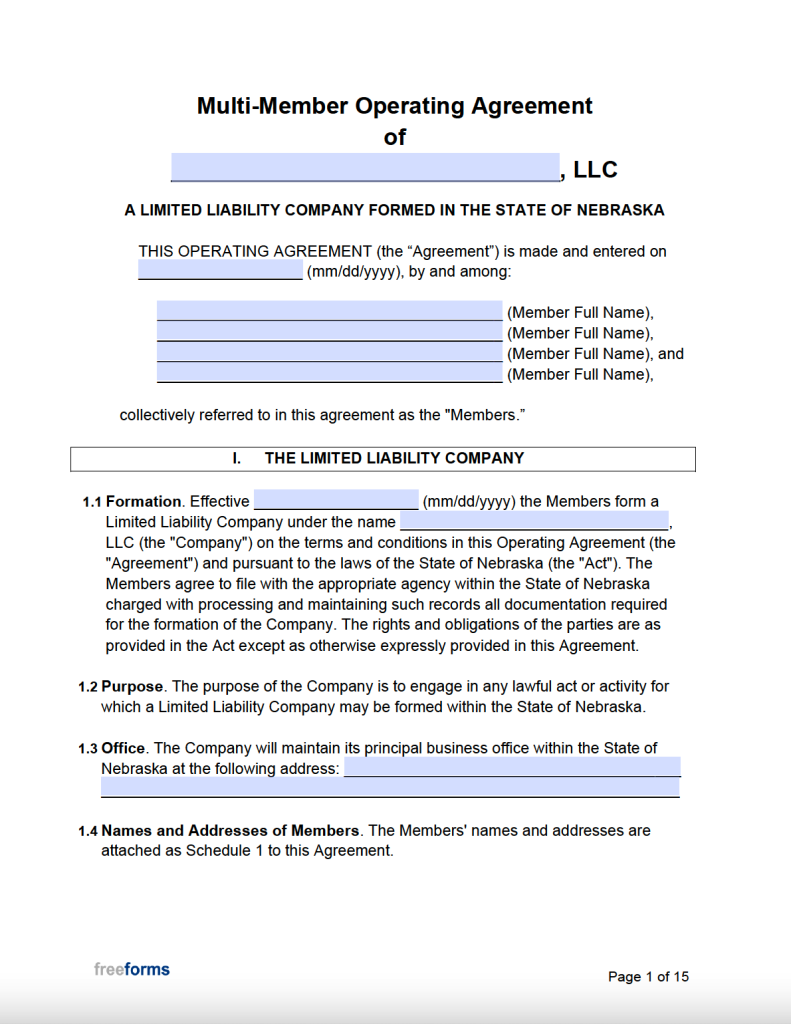
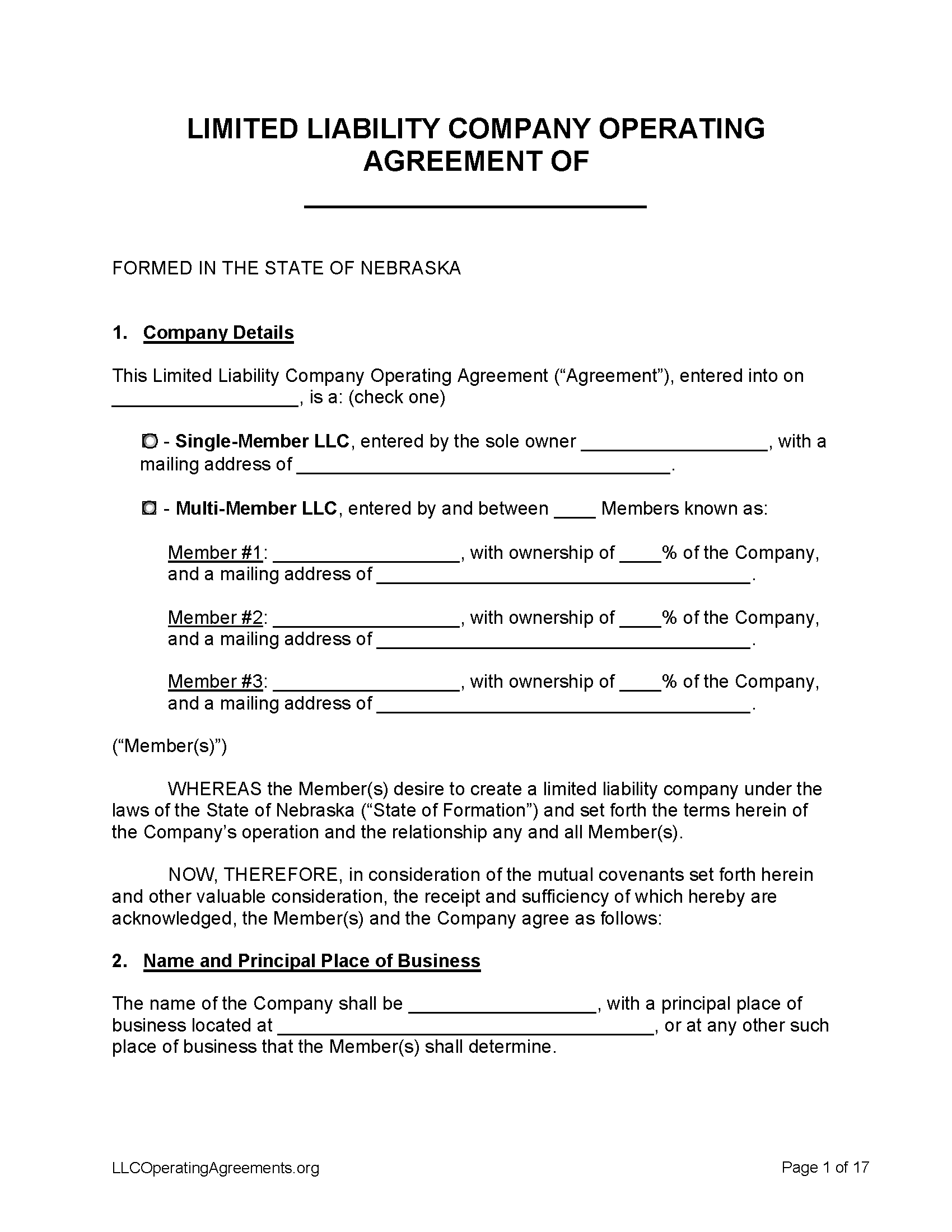
Start with the fundamentals: official name, principal address, and the purpose of the LLC. Nebraska allows a broad purpose clause, but narrowing it a bit can help avoid arguments about whether a particular activity falls inside the LLC’s scope.
2. Membership Details
List each member’s name, initial capital contribution, and percentage of ownership. If a member is contributing services instead of cash, note the agreed‑upon valuation. This section often doubles as a “capital accounts” table, making future accounting easier.
3. Management Structure
Decide whether the LLC will be member‑managed (all owners run day‑to‑day affairs) or manager‑managed (an appointed manager or team handles operations). Nebraska law permits both, but the agreement must spell out who has authority to bind the company.
4. Voting Rights & Decision‑Making
Not all votes are created equal. You might give voting power proportional to ownership for routine matters while requiring a super‑majority for major actions like:
- Amending the operating agreement.
- Taking on new debt beyond a set limit.
- Selling a significant portion of assets.
Clear thresholds prevent a single member from hijacking the business.
5. Allocation of Profits and Losses
Most LLCs follow the “pro rata” rule—profits and losses match ownership percentages. However, you can tailor allocations if, for example, one member contributed substantially more capital upfront. Just make sure the arrangement complies with IRS “substantial economic effect” rules.
6. Distributions
Outline when and how cash will be paid out. Some LLCs opt for quarterly distributions, others hold back earnings for growth. Including a “distribution waterfall” can help avoid confusion later.
7. Transfer and Buy‑Sell Provisions
Members rarely stay forever. A well‑crafted clause will:
- Require a right of first refusal for existing members.
- Set a fair market valuation method (often a formula based on earnings or an external appraisal).
- Detail what happens if a member dies or becomes incapacitated.
8. Dissolution and Winding‑Up
If the LLC must close its doors, the agreement should describe the steps: settling debts, liquidating assets, and dividing any remaining proceeds. Nebraska statutes provide a default process, but customizing it can speed up the final paperwork.
Common Mistakes to Avoid
Leaving blanks. It’s tempting to draft a “template‑style” agreement and fill in details later. Unfilled sections can be interpreted as ambiguities, giving courts room to decide in favor of one party.
Over‑complicating language. Legalese can obscure intent. Simple, direct sentences usually hold up better than convoluted clauses.
Ignoring tax considerations. The IRS looks at how profits and losses are allocated. If the agreement conflicts with tax law, the IRS can reclassify the allocations, leading to unexpected taxes.
Practical Tips for a Smooth Drafting Process
- Start with a reputable template from the Nebraska Secretary of State’s website, then customize it to your unique situation.
- Consult a Nebraska‑licensed attorney familiar with LLCs. Even a brief review can catch pitfalls you might miss.
- Use clear headings and numbered sections. This makes future amendments easier—just reference “Section 4.2” instead of describing the clause each time.
- Store the signed agreement with other important business documents (e.g., EIN letter, formation certificate) and keep a digital copy in a secure cloud folder.
When to Update the Agreement
Life changes: new members join, capital contributions shift, or the business pivots. Whenever a material change occurs, amend the operating agreement. Nebraska law requires that amendments be signed by the members entitled to vote on the change—so keep a clear record of who approved what.
Filing Requirements in Nebraska
Unlike some states, Nebraska does not require you to file the operating agreement with the Secretary of State. However, you must retain the original at the LLC’s principal place of business. If the state ever asks for it (e.g., during an audit), you’ll have it handy.
Bottom Line
A Nebraska LLC operating agreement isn’t just a formality—it’s the backbone of your partnership. By covering the basics, tailoring provisions to your business model, and revisiting the document as the company evolves, you’ll enjoy clearer governance, reduced risk, and smoother day‑to‑day operations. Take the time to draft it thoughtfully; the peace of mind it offers is well worth the effort.