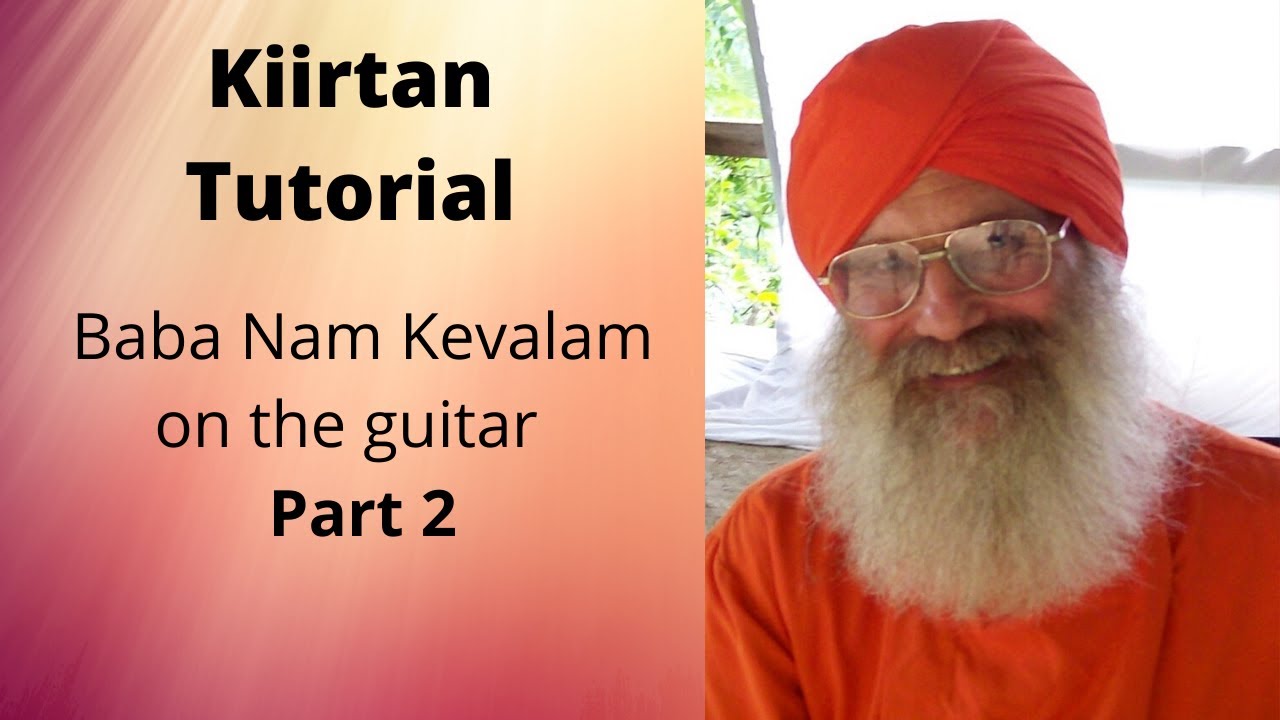
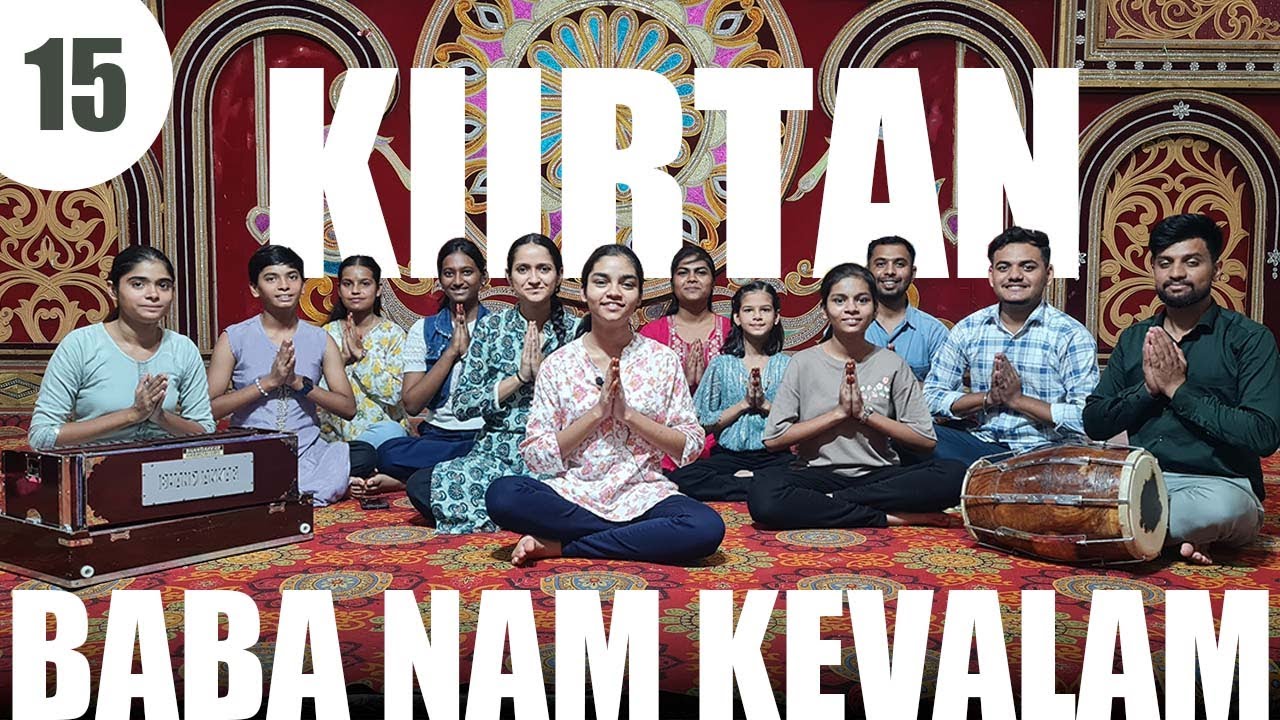
How to Embrace Baba Nam Kevalam: A Guide to Indian Kiirtan
What Makes Baba Nam Kevalam Special?
At its core, “Baba Nam Kevalam” translates to “the name of the Father is all there is.” The phrase is a mantra that surfaces repeatedly in Indian devotional music, especially within the tradition of kiirtan—a call‑and‑response style of chanting that blends poetry, rhythm, and spiritual yearning.
Unlike a static hymn, kiirtan invites participants to embody the words, letting the vibration of the mantra ripple through breath and beat. For many newcomers, hearing “Baba Nam Kevalam” for the first time feels like a gentle reminder that the divine is already present, waiting to be recognized.
Getting Started: Basic Elements of a Kiirtan Session
Before you dive into a full‑blown gathering, familiarize yourself with three essential ingredients:
- Mantra – The repeated phrase, here “Baba Nam Kevalam.”
- Melody – Simple, often cyclic tunes that make the mantra easy to follow.
- Rhythm – Hand drums (like the dholak or tabla) or clapping that set a pulse.
All three intertwine, creating a space where the mind can quiet while the heart lifts.
Choosing the Right Setting
Kiirtan can thrive in a bustling ashram hall, a modest living‑room, or even a quiet outdoor corner. The key is to find a place where you feel comfortable enough to let your voice loosen.
Consider these practical tips:
- Soft lighting or natural daylight helps keep the atmosphere relaxed.
- If you’re in a shared space, a small rug or cushion can mark your spot without taking up much room.
- Keep a recording device handy. Listening back later reveals nuances you might miss while singing.
Learning the Melody: A Step‑by‑Step Approach
Most kiirtan chants around “Baba Nam Kevalam” follow a three‑note pattern. Here’s a quick way to internalize it:
- Hum the note “Sa” (the tonic) for four beats.
- Shift up a whole step to “Re” for two beats.
- Return to “Sa” and sustain for the remaining four beats.
Once you’re comfortable humming, replace the hum with the actual words. Don’t worry if you stumble; the communal nature of kiirtan means everyone adjusts together.
Integrating Rhythm: The Role of Percussion
Even a simple hand clap can serve as the backbone of the chant. If you have a damru or a small tabla, follow this basic pattern:
- Beat on the first and third beats of the eight‑beat cycle.
- Leave the second, fourth, sixth, and eighth beats as rests or light finger‑taps.
This creates a gentle “boom‑pause‑boom‑pause” feel that mirrors the mantra’s ebb and flow.
When to Sing Solo vs. Join a Group
There’s a subtle shift when you move from personal practice to a group setting. Solo chanting lets you linger on the mantra, exploring its resonance in your own breath. In a group, the mantra becomes a conduit for shared intention, and the collective voice often amplifies the emotional depth.
If you’re new, try a few minutes alone, then ease into a community circle. Many Indian temples and yoga studios host weekly kiirtan evenings; attending one can be a low‑pressure way to feel the dynamics.
Common Mistakes and How to Gently Correct Them
Even seasoned practitioners slip up now and then. Here are a few pitfalls you might encounter:
- Rushing the mantra – Let each syllable breathe. Slowing down reveals the subtle vibrations hidden in “Nam” and “Kevalam.”
- Over‑thinking the melody – Remember, kiirtan is about feeling more than perfect pitch. If you’re stuck on a note, let the rhythm guide you back.
- Forgetting the call‑and‑response – In many sessions, a lead singer chants a line, and the group replies. If the pattern feels confusing, watch the leader’s gestures; they often cue the response.
Deepening the Experience: Adding Meditation
After a few rounds of chanting, many practitioners sit in silence for a minute or two, letting the mantra’s echo settle. This pause can transform the energetic chant into a meditative cushion, allowing the mind to rest in the space the mantra has opened.
Resources for Further Exploration
If you’d like to broaden your kiirtan journey, consider these avenues:
- Online playlists featuring various “Baba Nam Kevalam” renditions—pay attention to tempo changes and regional accents.
- Books on Indian devotional music, such as Bhakti Rasa by A.C. Bhaktivedanta Swami Prabhupada.
- Local workshops or cultural festivals that showcase live kiirtan performances.
Bringing It Home
Ultimately, “Baba Nam Kevalam” is less about mastering a perfect chant and more about inviting the sense that the divine name permeates every breath. Whether you’re humming it in a bustling city studio or chanting it under a canopy of trees, the mantra offers a simple doorway to presence.