How to Explore Filipino Culture: Customs, Traditions, and Heritage
Stepping into the Philippines is like opening a colorful scrapbook where every page tells a story of resilience, faith, and celebration. From the bustling streets of Manila to the serene rice terraces of Banaue, the archipelago offers more than just stunning landscapes—it invites you to live its centuries‑old customs, taste its vibrant traditions, and feel the pulse of a shared heritage.
Why Filipino Culture Feels So Warm
Filipinos are famously friendly, and that openness is rooted in a blend of indigenous values and foreign influences. The pakikipagkapwa spirit—seeing others as extensions of yourself—creates an atmosphere where strangers become guests, and guests quickly feel at home. This inherent hospitality makes cultural immersion less about observation and more about participation.
Key Customs You’ll Encounter
Below are a few everyday practices that stand out the moment you arrive:
- Mano – A respectful gesture where younger people take an elder’s hand and press it to their forehead, asking for blessings.
- Pasalubong – The tradition of bringing back small gifts for friends and family after traveling, a reminder that distance never severs ties.
- Balikbayan Boxes – Sturdy crates filled with goodies sent from abroad, symbolizing the ongoing exchange between overseas Filipinos and those at home.
These customs may feel simple, but they’re laden with meaning, reinforcing community bonds that have endured through generations.
Festivals: A Feast for the Senses
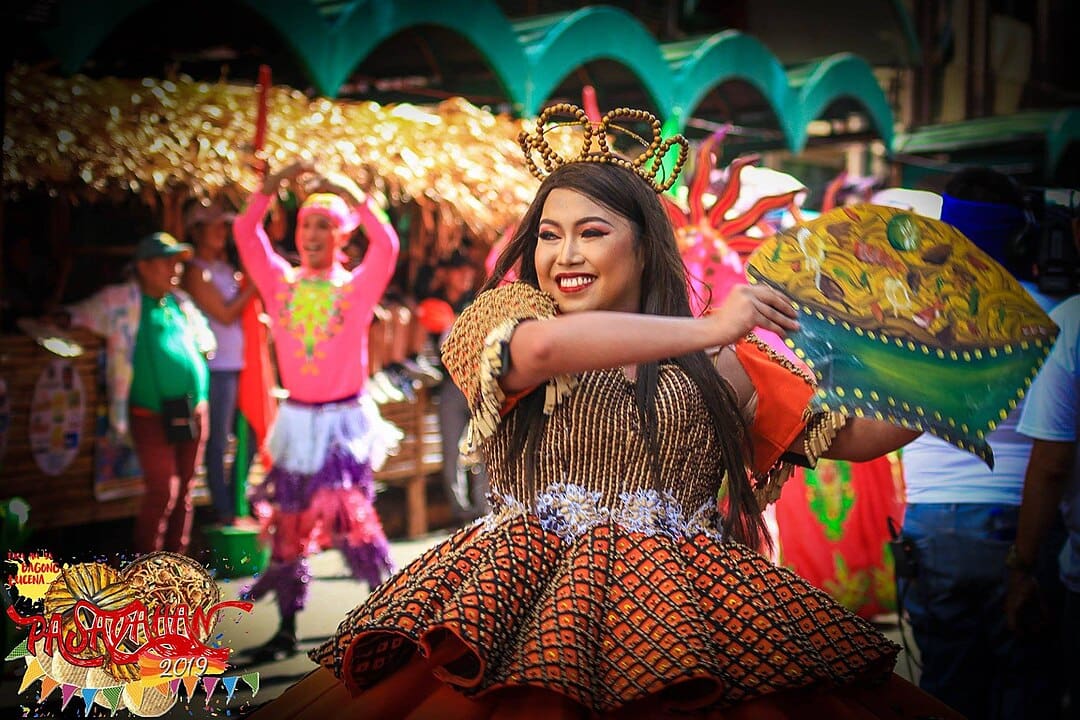
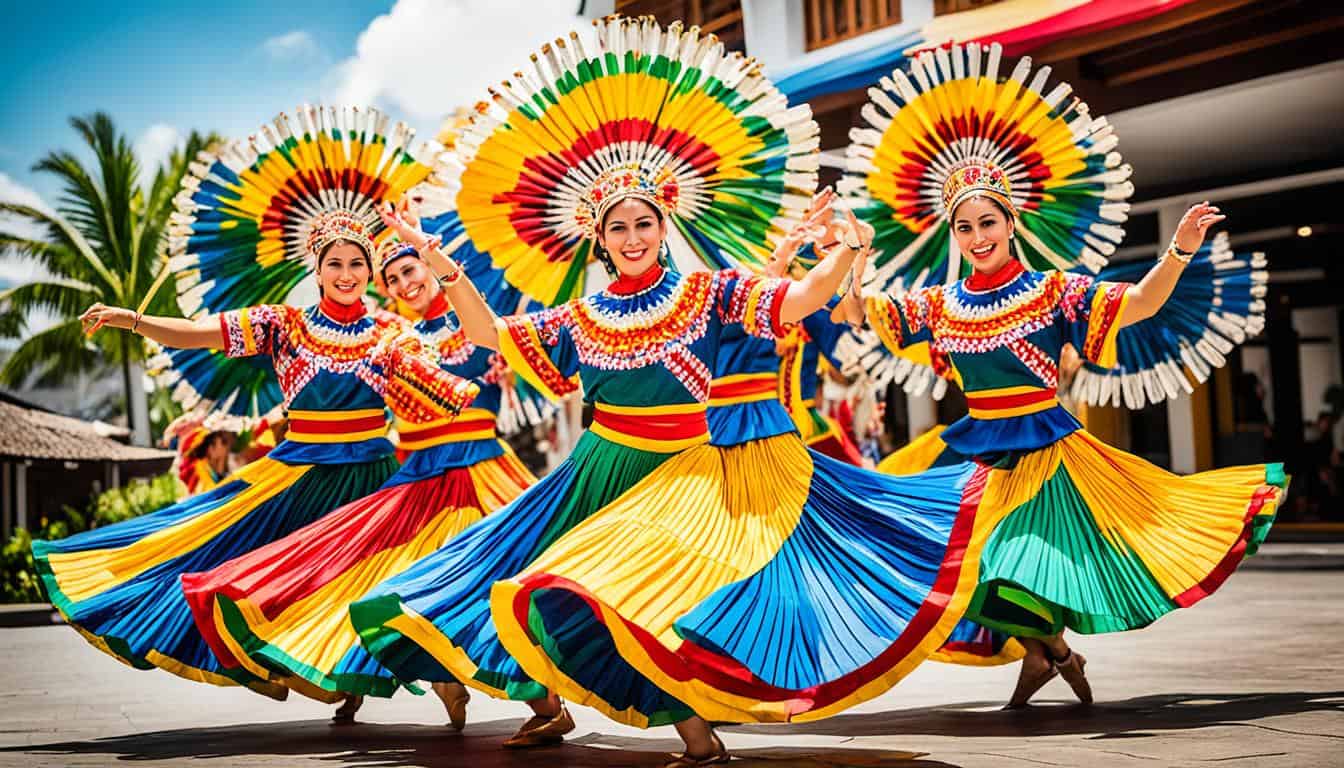
Filipino festivals, or fiestas, turn towns into living canvases of color, sound, and aroma. While each celebration is unique, a few share common threads.
Sinulog (Cebu)
Held every January, this dance‑driven parade honors the Santo Niño (the Holy Child). Participants sway to a drum‑heavy rhythm, wearing costumes that sparkle like sunrise. Even if you’re not Catholic, the energy is infectious.
Ati‑Atihan (Kalibo, Aklan)
Imagine streets awash in black soot, feathered headdresses, and drums thumping louder than the surf. This February celebration commemorates the arrival of Malay settlers and the gratitude toward indigenous Ati tribes.
Panagbenga (Baguio)
When February brings spring to the mountains of Luzon, Baguio’s flower festival floods the city with roses, begonias, and orchids. It’s a visual reminder that beauty thrives even after volcanic ash.
Food: The Heartbeat of Heritage
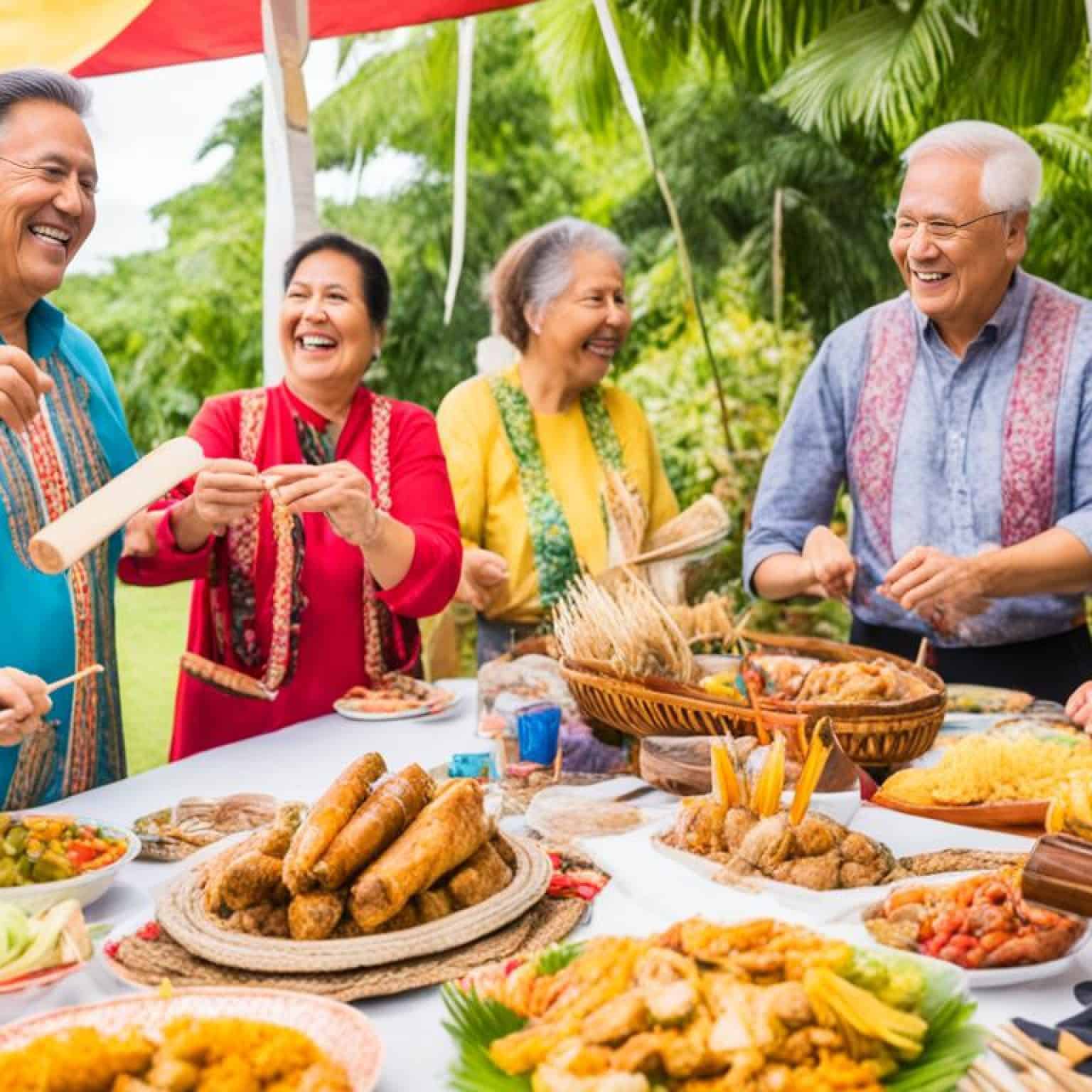
Every bite tells a tale of trade routes, colonial pasts, and island ingenuity. Here are three dishes that capture the essence of Filipino cuisine:
- Adobo – A braised mix of meat, soy sauce, vinegar, garlic, and bay leaves. Its flavor profile reflects Spanish influence tempered by local palate.
- Lechon – Whole roasted pork, crisped to perfection. Celebrations rarely commence without this centerpiece, a nod to communal feasting.
- Halo‑halo – A chilled dessert of shaved ice, sweet beans, fruit, and leche flan, drizzled with ube‑purple milk. It’s the perfect antidote to tropical heat.
Don’t shy away from street stalls; the best culinary memories often arise from sharing a taho (silken tofu) with a local vendor while watching a sunset over the bay.
Language: More Than Words
Tagalog, Cebuano, Ilocano, and countless other tongues weave a linguistic tapestry across the islands. While English is widely spoken—especially in business and education—learning a few Tagalog phrases can unlock doors to deeper interaction. Simple greetings like “Kamusta?” (How are you?) or “Salamat” (Thank you) go a long way.
Traditional Arts That Still Thrive
Filipino craftsmanship is a living archive of stories passed down through generations.
- Kali – Indigenous martial arts practiced for self‑defense and cultural preservation.
- Weaving – From the intricate patterns of the Ifugao hablon to the vibrant ikat of Mindanao, each fabric narrates a tribe’s identity.
- Harana – A serenade tradition where suitors sing beneath balconies, echoing courtship rituals of yesteryear.
Many museums and community centers now host workshops, allowing visitors to try their hand at these art forms under skilled mentors.
Respectful Travel Tips
Immersing yourself responsibly ensures that the customs you admire remain vibrant for future generations.
- Ask before taking photographs of people or sacred sites.
- Dress modestly when visiting churches or rural villages.
- Participate in rituals only when genuinely invited—observing from a respectful distance is perfectly acceptable.
Remember, being a curious traveler doesn’t mean imposing your own expectations; it means listening, learning, and adapting.
Modern Influences and the Future
While tradition holds strong, the Philippines is also a hub of contemporary creativity. Young designers fuse indigenous patterns with streetwear, and musicians blend kundiman ballads with hip‑hop beats. This dynamic interplay proves that heritage isn’t static—it evolves, echoing the archipelago’s history of trade, migration, and adaptation.
In short, exploring Filipino culture is less about checking items off a list and more about letting the island’s rhythm guide you. Whether you’re joining a midnight simbang gabi* (pre‑Christmas mass), tasting a fresh batch of kinilaw (raw fish salad), or simply sharing a laugh over a game of piko (hopscotch), every experience adds a thread to the larger tapestry of the Philippines.