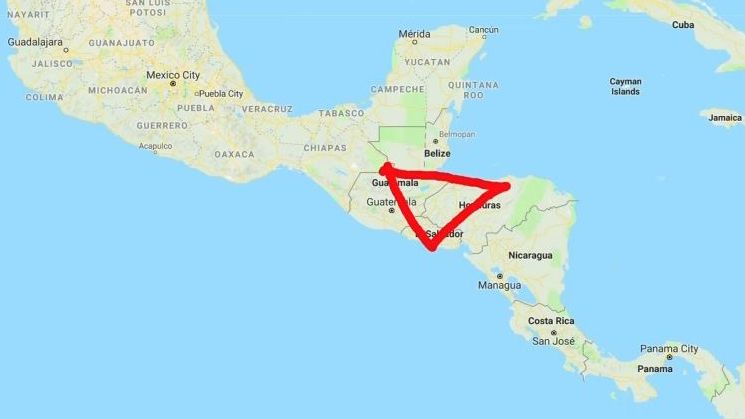
How to Explore the Northern Triangle of Central America
Travelers drawn to vibrancy, culture, and natural beauty often find themselves staring at a map of Central America and wondering where to start. The so‑called “Northern Triangle”—Guatemala, Honduras, and El Salvador—offers a compact yet richly layered experience that can fit into a two‑week itinerary or stretch into a month‑long adventure. Below is a practical guide that balances iconic sights with off‑the‑beaten‑path discoveries, helping you decide when to go, what to see, and how to move around safely.
When to Go: Timing Matters
Each country in the triangle has its own climate quirks, but the overall pattern is clear: the dry season runs roughly from November to April, while May through October brings heavier rains. The dry months give you reliable road conditions and sunny skies—ideal for hiking volcanoes or strolling colonial streets. That said, the rainy season can be a blessing for budget‑savvy travelers; accommodations drop in price and the landscape turns a lush, emerald green.
- Peak season (Dec–Mar): Crowds grow around major festivals such as Semana Santa in Antigua and the Feria de San Salvador.
- Shoulder months (Oct & May): Fewer tourists, pleasant weather, and the chance to catch local harvest celebrations.
- Low season (Jun–Sep): Expect occasional downpours, but also discover waterfalls in full flow and avoid the high‑season price tags.
Getting There and Getting Around
International flights usually land in Guatemala City or San Salvador. From there, a network of regional airlines—like TAG and Avianca—offers short hops between the three nations. If you prefer land travel, shared shuttles and reputable bus companies (e.g., Linea Dorada, Hedman) connect major cities, though border crossings can take a few extra hours.
Within each country, renting a car provides flexibility, especially for remote highland towns. Just remember that road signs are often in Spanish and some rural routes are gravel. For a more immersive experience, consider a guided tour for a day or two—local drivers know the shortcuts and can share stories that never make it into guidebooks.
Must‑See Highlights
Guatemala: Lakes, Markets, and Ancient Ruins
Start in Antigua, a UNESCO‑listed town framed by three volcanoes. Its cobblestone streets, pastel facades, and lively market make a perfect first impression. From Antigua, a short drive takes you to Lake Atitlán, where each shoreline village—such as San Juan La Laguna or Santiago Atitlán—offers its own craft traditions and breathtaking views.
Don’t miss Tikal, the sprawling Mayan site deep in the jungle. Arriving at sunrise is worth the early wake‑up; the mist lifting over the towering temples feels almost cinematic.
Honduras: Trekking, Beaches, and Cultural Fusion
Copán, another Mayan treasure, sits on the border with Guatemala. Its intricate stelae and hieroglyphs rival any in the region, and the nearby town provides affordable guesthouses and lively eateries.
For a change of pace, head to the Bay Islands—Roatán and Utila—where Caribbean waters invite snorkeling with whale sharks and laid‑back beach bars. If you’re an adventure seeker, the Pico Bonito National Park offers canopy walks and river tubing.
El Salvador: Colonial Charm and Volcanic Trails
Begin in San Salvador, where the historic center blends colonial architecture with vibrant street art. The nearby town of Suchitoto feels like a step back in time, with its cobbled plaza, artisan shops, and the tranquil Lake Suchitlán.
Hiking enthusiasts should target the Santa Ana Volcano. A moderate trek rewards you with a crater lake that changes color depending on the weather—a perfect photo op without the crowds of more famous peaks.
Practical Tips for a Smooth Journey
- Currency: Each country uses its own peso (Guatemalan, Honduran, and Salvadoran). ATMs are common in cities but scarce in remote areas, so carry some cash.
- Safety: While the triangle has areas with higher crime rates, most tourist routes are well‑patrolled. Stick to daylight travel on unfamiliar roads, use reputable transport, and keep valuables out of sight.
- Language: Spanish is the dominant tongue, though many indigenous communities speak Mayan languages. Learning a few basic phrases—especially greetings—opens doors and earns smiles.
- Health: Tap water isn’t safe to drink in most places; opt for bottled or filtered water. Pack a small medical kit and consider anti‑malaria medication if you’ll venture deep into the jungle.
- Connectivity: Purchase a regional SIM card (e.g., Claro or Tigo) for reliable data; it’s cheaper than roaming and works across borders.
Beyond the Guidebooks: Hidden Gems
If you have extra days, venture off the main trail. In Guatemala, the town of Chichicastenango hosts a market every Thursday and Sunday where textiles and masks fill the stalls. In Honduras, the Rio Pereira canyon offers secluded waterfalls and natural pools. And in El Salvador, the Ruta de Las Flores—an 18‑kilometer drive through coffee plantations—provides scenic vistas and chances to sample fresh brews straight from the farm.
Putting It All Together
Designing an itinerary for the Northern Triangle is less about ticking boxes and more about weaving together diverse experiences: the solemn grandeur of ancient ruins, the lively rhythm of market days, the quiet power of volcanoes, and the warm hospitality of locals. Start with a clear idea of your priorities—whether it’s hiking, cultural immersion, or beach relaxation—and let the region’s geography guide the flow of your trip.
Remember, the best stories often arise from spontaneous detours: a roadside coffee stand in the highlands, a folk dance taught by an elderly couple, or a sudden rainstorm that turns a dusty road into a shining river of mud. Embrace the unpredictability, and the Northern Triangle will reward you with memories that linger long after you’ve left the last bus stop.