How to Find Dallas County Jail Inmates: A Step‑by‑Step Guide
Needing to locate someone who’s currently housed in a Dallas County correctional facility can feel overwhelming, especially if you’re not familiar with the online tools available. This guide walks you through the most reliable methods, explains the information you’ll encounter, and offers tips for avoiding common pitfalls.
Why a Dedicated Search is Worth It
Whether you’re a concerned family member, a legal professional, or simply trying to verify a news story, getting accurate inmate details matters. The county’s databases provide real‑time updates on bookings, releases, bond amounts, and court dates—details that can be hard to piece together through a casual Google search.
Official Resources You Should Start With
The county maintains two primary portals:
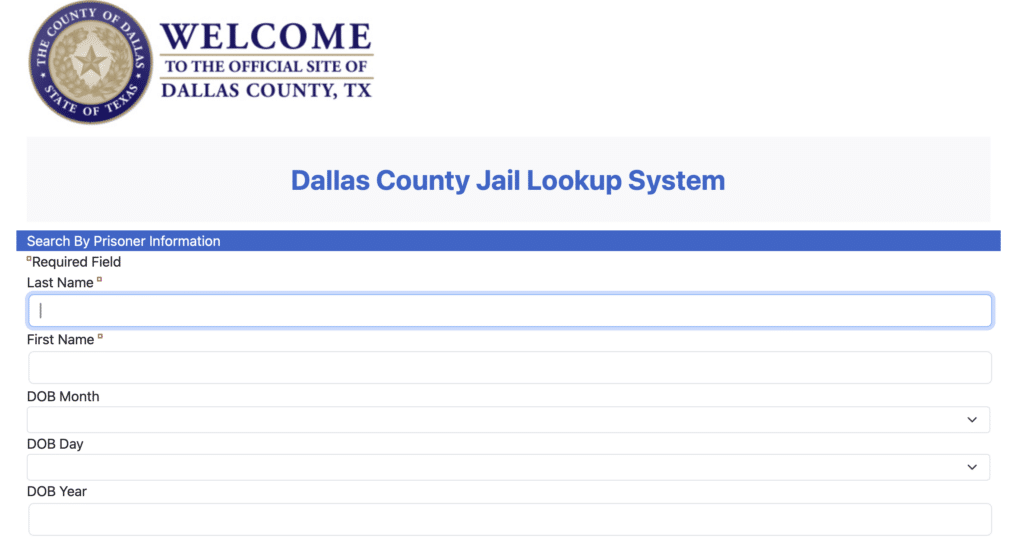
- Dallas County Inmate Search – an interactive web app that lets you query by name, booking number, or date of birth.
- Dallas County Sheriff’s Office Public Records – a broader archive that includes arrest reports, mugshots, and court documents.
Both sites are free to use, but you’ll need a stable internet connection and a bit of patience for loading times during peak hours.
Step 1: Gather Basic Identifiers
Before you fire up the search tool, collect as much of the following as you can:
- Full legal name (including any known aliases)
- Date of birth
- Case number, if you have it
Even a single misspelled letter can throw the results off, so double‑check spelling and punctuation.
Step 2: Navigate the Inmate Search Page
Once on the official search page, you’ll see a simple form. Enter the name you’ve compiled and click “Search.” If nothing appears, try the following tweaks:
- Remove middle names or initials.
- Search using only the last name.
- Switch the “Exact Match” toggle off to allow partial matches.
Step 3: Interpret the Results
The results table typically lists:
- Inmate’s full name
- Booking number (often the quickest way to drill down)
- Current housing location (e.g., “Detention Center – East Unit”)
- Charges and bond information
- Projected release date, if set by a judge
If the inmate has been transferred to a state prison, the entry will include a link to the Texas Department of Criminal Justice’s database.
What to Do If the Online Search Comes Up Empty
Several scenarios can explain a missing record:
- Recent booking – the system may need a few hours to process new entries.
- Sealed or expunged case – certain low‑level offenses can be hidden from public view.
- Wrong jurisdiction – the individual might be in a neighboring county or a federal facility.
In these cases, a quick phone call to the Dallas County Sheriff’s Office (or the specific detention center) can provide clarification. Be ready to state the person’s name and ask whether they can confirm the inmate’s status.
Alternative Avenues for Information
When official portals don’t yield results, consider these supplemental methods:
- Third‑party inmate lookup sites – many commercial services aggregate public data, but verify their credibility before sharing personal details.
- Visiting the courthouse – public records rooms hold case files that include booking dates and bond amounts.
- Contacting a bail bondsman – they often have up‑to‑date listings of individuals who have posted bail.
Remember, the most accurate source remains the county’s own database; external sites can lag behind or contain errors.
Understanding Bond and Release Procedures
If your goal is to arrange bail, the search results will display the bond amount and any conditions attached. Typical steps include:
- Contact a licensed bail bondsman with the booking number.
- Provide identification and payment for the surety fee (usually 10 % of the bond).
- Complete required paperwork and await the inmate’s transport to the release area.
Each facility may have a slightly different schedule for processing releases, so confirm the expected time frame with the jail’s intake desk.
Tips for a Smoother Experience
- Bookmark the search page – it saves you from typing a long URL each time.
- Use a private browsing window if you’re concerned about cached data.
- Note the inmate’s ID number in a secure place; it’s the fastest way to retrieve updates later.
- Check the site’s “Last Updated” timestamp to gauge how current the information is.
When to Seek Professional Help
If you encounter legal complexities—such as pending appeals, unclear sentencing, or questions about parole eligibility—consulting an attorney familiar with Texas criminal law is advisable. A lawyer can request additional records, submit motions, or guide you through the appeals process.
Bottom Line
Finding someone in the Dallas County jail system isn’t rocket science, but it does require a methodical approach. Start with the official inmate search, verify details with the sheriff’s office when needed, and keep a record of any identifiers you collect. With these steps, you’ll cut through the confusion and get the information you need—whether you’re planning a visit, arranging bail, or simply staying informed.